
REVIEW · HISTORICAL TOURS
KNOW IT Tour Know history Vitacura Autobalance equipment
See Santiago on two wheels.
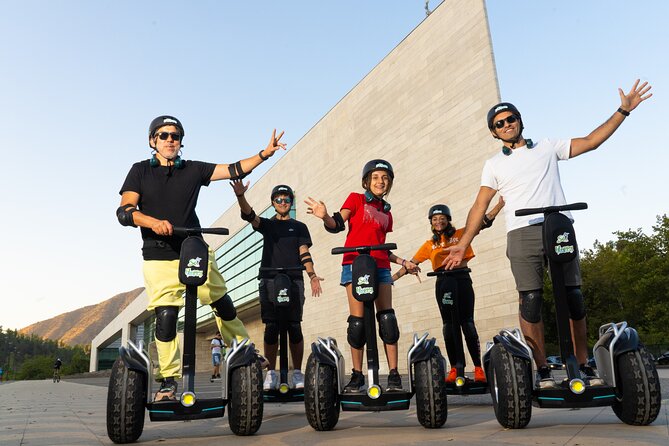
This small-group tour uses personal self-balancing Autobalance equipment to explore Vitacura, Bicentennial Park, Sanhattan, and several important cultural and international buildings. I like the mix of local history and modern city life, and I like that the group is limited to six people, which should make the ride easier to manage and the guide’s explanations easier to follow.
The main consideration is pace. You cover ten stops in about two hours, but several visits last only five minutes. This is a lively introduction to Vitacura and its landmarks, not a long museum visit or a detailed architectural tour.
In This Review
- Key things to know before you book
- What this tour is really like
- Starting in Vitacura: buildings, streets, and local foundations
- Bicentennial Park and the Mapocho River
- International institutions along the route
- Sanhattan and Santiago’s modern business center
- A church, two museums, and quick cultural glimpses
- Learning the Autobalance equipment
- Is $95 a fair price?
- Timing, meeting point, and weather
- Who should book it?
- Final verdict: a fun Vitacura sampler
- FAQ
- Where does the Vitacura Autobalance tour start?
- What time does the tour begin?
- How long does the experience last?
- Is the tour offered in English?
- How many people can join the tour?
- What ages can use the Autobalance equipment?
- What happens if bad weather cancels the tour?
Key things to know before you book

- You ride your own Autobalance machine: The equipment is personal, and the guide gives clear instruction before you set off.
- The tour centers on Vitacura: You see important streets, buildings, parks, churches, museums, and international institutions in one compact route.
- Bicentennial Park offers the best open-air break: Its 27 hectares, thousands of trees, Mapocho River setting, and public sculpture give the ride room to breathe.
- The group is very small: A maximum of six people makes this a more personal outing than a large coach or crowded walking tour.
- The route is strongest for first impressions: Most stops are short, so you get context and outside views rather than extended time inside each attraction.
- Plan for a morning ride: The meeting time is 8:45 a.m. at El Arcángel 5148 in Vitacura, and the tour returns there.
What this tour is really like
This is a city tour with a playful twist. Instead of walking from one landmark to the next, you use a self-balancing vehicle that responds to your movement. The equipment is designed for one person at a time, and the guide teaches you how to operate it before the route begins.
That learning period matters. Several people found the machines easy to use after the initial instruction, and the guide’s teaching style was described as clear, friendly, and focused on safety. You should still expect a short adjustment period. A moderate level of physical fitness is required, and you need to feel comfortable standing and steering for roughly two hours.
The route is concentrated in Vitacura, one of Santiago’s more modern and polished communes. It is a useful choice if you want to see how Santiago grew through urban planning, new office districts, cultural institutions, and large public parks. You are not simply being taken to one famous sight. Instead, you get a quick tour of how several parts of the city fit together.
The experience is offered in English and uses mobile tickets. With only six places available, it has a quieter feel than a large group excursion. That small size is especially helpful when you are learning the equipment or need a question answered while riding.
More history tours in Santiago:
- Santiago: Guided Walking Tour of the Historical Old Town
★ 4.8 · 459 reviews - Tour Viña Santa Rita: History, Wine and Picnic Outdoors
★ 4.5 · 141 reviews - Viña Del Mar and Valparaiso world heritage site.
★ 4.5 · 89 reviews
Starting in Vitacura: buildings, streets, and local foundations
The first stop lasts about 30 minutes and introduces the history of Vitacura. The guide explains the main neighborhoods that helped shape the commune and points out major streets and buildings connected with Santiago’s modern architecture and urban planning.
This is the most important explanatory part of the tour. The later stops are brief, so the opening section gives you the basic frame for understanding what you are seeing. You learn why this part of the city matters and how its main arteries and buildings fit into Chile’s recent urban development.
I would pay close attention here, even if modern architecture is not your main interest. Vitacura is presented not only as a wealthy business and residential area, but also as a place tied to Santiago’s changing identity. The Autobalance ride adds movement and makes it possible to cover more ground than you could comfortably manage on foot in the same time.
The drawback is that the description remains broad. If you want a long architectural lecture or detailed access to individual buildings, this will feel too quick. If you want a clear orientation to the area, the 30-minute introduction is a useful start.
Bicentennial Park and the Mapocho River
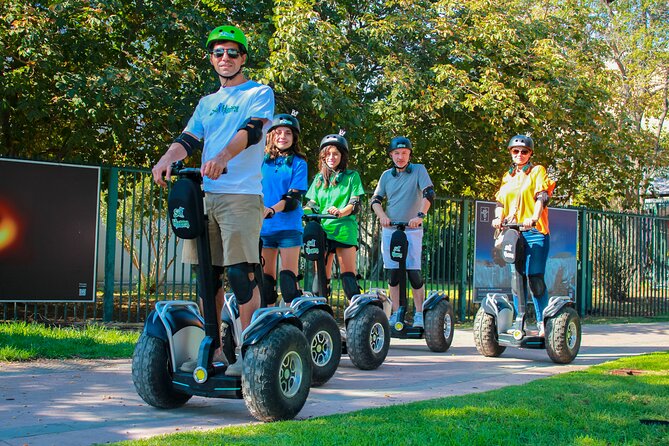
Bicentennial Park receives about 10 minutes, but it may be the most memorable outdoor setting on the route. The park stretches along the eastern side of the Mapocho River and covers 27 hectares between the Pérez Zujovic road junction and Isabel Montt Street.
It contains around 4,000 trees, including more than 1,300 native species. That gives you a very different view of Vitacura from the office towers and busy roads. The park offers space, greenery, river views, and public art, all within a major urban district.
One sculpture singled out during the ride is The Quest by Hernán Puelma. Its bicycle theme and human figures appear to show people pedaling, an apt work to encounter while touring by personal vehicle. The sculpture adds a small cultural detail to what could otherwise be a simple park crossing.
Ten minutes is enough for a look and some explanation, but not enough for a full park visit. You may want to return on your own if public art, gardens, or riverside walks appeal to you. As part of this tour, the park works best as a scenic pause and a chance to practice riding in a more open setting.
International institutions along the route
The tour then gives you short introductions to several major organizations. These stops are brief, usually five minutes, so you should think of them as exterior orientation points or guide commentary rather than full visits.
At the Economic Commission for Latin America and the Caribbean, known as ECLAC, the guide discusses the building’s history, architecture, and role. This adds a regional and political layer to a route that otherwise focuses heavily on neighborhoods, offices, and public spaces.
The European Southern Observatory is another short stop. You learn about its facilities in northern Chile and its role in astronomical development. The stop does not include admission, so do not expect to enter or tour an observatory as part of this two-hour outing.
The United Nations Development Program receives similar treatment, with attention to its history, architecture, and function. The International Labour Organization is also included, with an explanation of its purpose and history. Admission is not included for that stop either.
These locations are useful because they show that Vitacura is more than a collection of shopping areas and office buildings. It has connections to international cooperation, regional economics, labor policy, and scientific research. Still, the five-minute format limits depth. You get a set of introductions, not a full institutional tour.
More things to do in Santiago:
- Valparaiso Port and Viña del Mar with Casablanca Wine Tasting
★ 5.0 · 6,110 reviews - Santiago: Cajon del Maipo/Embalse del Yeso Tour with Picnic
★ 4.3 · 3,789 reviews - Santiago: Vina Del Mar, Valparaiso, Casablanca & Reñaca Tour
★ 4.2 · 2,838 reviews - Cable Car, Funicular and Sightseeing Bus in Santiago one day
★ 5.0 · 2,325 reviews
Sanhattan and Santiago’s modern business center

Sanhattan is Santiago’s nickname for its financial center, formed from Santiago and Manhattan. The district has more than 50 office towers, including the Costanera Center and Titanium Building.
This is one of the route’s clearest examples of Santiago’s modern face. Tall offices, major roads, and business architecture replace the quieter park setting. The contrast helps explain the tour’s appeal: you move from local neighborhoods and green space to the city’s corporate core without changing activities.
The 10-minute stop is short but well chosen. You can understand the scale and character of the district, while the guide supplies context about its name and major towers. If you want to go inside the Costanera Center or spend time at a particular observation point, you will need to make that a separate plan.
For a first morning in Santiago, this section can help you decide where to return later. The tour gives you a broad map of Vitacura and nearby business districts, then leaves you free to explore a favorite area at your own pace.
A church, two museums, and quick cultural glimpses

The Parish of the Immaculate Conception receives about five minutes. The guide uses the stop to explain aspects of Chile’s Christian tradition and the church’s place in local culture.
That is a useful reminder that the route is not only about new buildings and technology. The church adds a religious and community angle, though the short timing means you should not expect an extended interior visit or a full account of Chilean religious history.
The Museo de la Moda is also included as a brief stop. The guide discusses its past and current exhibitions, but admission is not included. Since the visit lasts about five minutes, you should see it as an introduction and decide later if you want to return for a longer museum visit.
The Museo Ralli Santiago offers permanent exhibitions and is included in the route without an admission charge. Again, the five-minute timing means the guide can point out the museum and explain its role, but you will not have time to study a substantial collection.
These museum stops are a good example of the tour’s strengths and limits. You get a varied cultural sampler, covering fashion, art, religion, architecture, and public institutions. You do not get enough time for a serious museum experience. If one of these places is high on your list, treat the tour as a preview and schedule a separate visit.
Learning the Autobalance equipment
The self-balancing machines are central to the experience, not just a way to move between sights. The ride itself is part of the entertainment, and the equipment gives the tour a different character from a standard walking excursion.
The guide teaches you how to use the machines, and the available feedback points to a simple learning curve once the basic instructions are clear. Safety also receives regular attention. That matters because a new type of transport can feel awkward for the first few minutes, especially if you have never used similar equipment.
You should wear something that lets you stand and move comfortably. The official requirement is moderate physical fitness, and the age range is 14 to 65. Anyone under 18 must be accompanied by a responsible adult.
Because each machine is personal, you are not sharing controls or riding behind someone else. That gives you more freedom to manage your pace, but it also means you need to pay attention to the instruction and operate your own equipment responsibly.
The ride may suit you if you enjoy trying new activities and do not want a conventional sightseeing routine. It may be less suitable if you have trouble standing for an extended period, dislike balancing equipment, or want a slow, detailed look at every attraction.
Is $95 a fair price?
At $95 per person, this is not the cheapest way to see Vitacura. The value depends on what you are paying for. The price includes about two hours of guided touring, a personal Autobalance machine, instruction, a small group capped at six, and a route that links ten different points.
You are paying for the activity as much as the sightseeing. If you only want to see Bicentennial Park, Sanhattan, or a museum, a separate visit may cost less. If you want a guided introduction combined with an unusual way to cover the area, the price is easier to justify.
The short stops are the main value question. Several locations receive only five minutes, and some admissions are not included. This keeps the route moving, but it means you should not book this expecting ten complete visits.
I would consider the tour good value for someone who wants an active introduction to Vitacura, especially early in a Santiago stay. It can help you identify places to revisit and gives you local context that would be easy to miss while simply passing through by car.
Timing, meeting point, and weather
The tour starts at 8:45 a.m. at El Arcángel 5148 in Vitacura and returns to the same meeting point. It lasts approximately two hours, so you should finish around late morning, subject to the pace of the group and conditions.
The meeting point is near public transportation, which makes it easier to reach without arranging a private transfer. Check the exact route from your accommodation before booking, since the tour begins in Vitacura rather than at a central Santiago landmark.
Good weather is required. If poor weather causes cancellation, you can choose another date or receive a full refund. For your own comfort, a dry morning is also important because much of the experience takes place outdoors.
Free cancellation is available if you cancel at least 24 hours before the start time. Changes or cancellations made less than 24 hours ahead are not accepted for a refund.
Who should book it?
I would recommend this tour to active visitors who want to see a modern side of Santiago and enjoy learning a new piece of equipment. It is especially suitable for couples, friends, or families with older teenagers who like a bit of motion with their sightseeing.
The small group is a real advantage. You have more room to ask questions, and the guide can watch the group more closely than on a large city tour. English availability also makes the experience practical for international visitors.
It is less suitable for anyone seeking long museum visits, detailed church interiors, or a full historical tour of Santiago. The route gives you many short introductions, so your expectations should match the format.
Final verdict: a fun Vitacura sampler
Book this tour if you want a compact, active way to understand Vitacura, ride personal self-balancing equipment, and see how parks, office towers, cultural sites, and international institutions share the same part of Santiago.
Skip it if you prefer to move slowly, spend an hour inside a museum, or focus on Santiago’s older central districts. At $95, the strongest reason to book is the combination of small-group guidance, safety instruction, and an unusual ride, not admission to major attractions.
For the right person, this is a cheerful and practical morning outing. It covers a lot, teaches you the area, and gives you a memorable way to get around.
FAQ
Where does the Vitacura Autobalance tour start?
The tour starts at El Arcángel 5148 in Vitacura, Santiago, and ends back at the same meeting point.
What time does the tour begin?
The scheduled start time is 8:45 a.m.
How long does the experience last?
The tour lasts approximately two hours.
Is the tour offered in English?
Yes. English is one of the available languages.
How many people can join the tour?
The activity has a maximum of six travelers.
What ages can use the Autobalance equipment?
Participants can be from 14 to 65 years old. Minors must always be accompanied by a responsible adult.
What happens if bad weather cancels the tour?
Because the experience requires good weather, you will be offered another date or a full refund if poor weather causes cancellation.
Just added in Santiago
- Walking City Tour with Funicular, Cable Car and Tasting★ 4.3 · 6 reviews
- VIÑA DEL MAR AND VALPARAISO TOUR★ 4.8 · 20 reviews
- Tour VIÑA CONCHA Y TORO + CASA MARQUES – Chile, from Santiago.★ 5.0 · 2 reviews
- Undurraga + Isla Negra + San Afonso del Mar —– Full day★ 4.1 · 8 reviews
- Undurraga Wine tour★ 4.2 · 15 reviews
- Southcoast – Private Full-Day tour★ 5.0 · 6 reviews
- Zapallar : nature, sea and local flavours★ 5.0 · 6 reviews
- Private Casa Blanca Valley Wine Experience from Santiago★ 4.5 · 8 reviews
Historical Tours, compared.
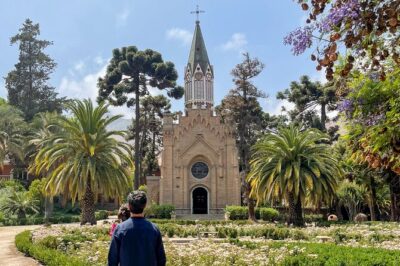
Tour Viña Santa Rita: History, Wine and Picnic Outdoors
Read our review →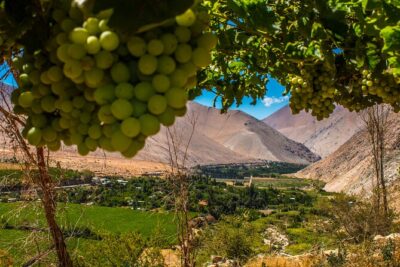
Elqui Valley Tour: History and Flavors (NOT FOR CRUISES)
Read our review →
Viña Del Mar and Valparaiso world heritage site.
Read our review →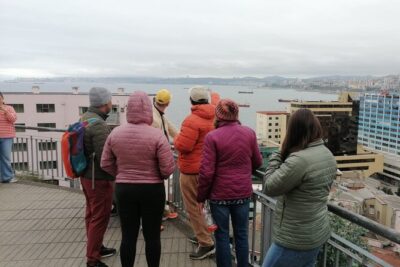
Walking Tour Valparaiso, History & Art – Private Optional
Read our review →
Essence of Santiago : History, Flavors and Panoramic Views
Read our review →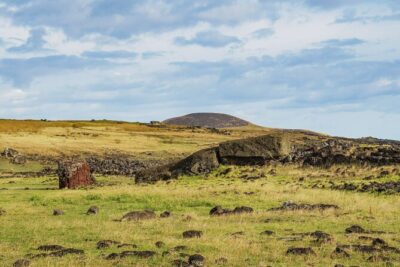
2 Day Private Tour: Easter Island’s Cultural Heritage
Read our review →
Browse the lists this tour appears in