
REVIEW · SAN PEDRO DE ATACAMA TOURS
Archaeological Experience in Atacama Tulor and Quitor
History here is built from mud. This five-hour private tour takes you from San Pedro de Atacama to Tulor Village, the basin’s oldest known inhabited site, then to the hilltop fortress of Pukará de Quitor. I like the strong focus on pre-Columbian culture, and I like that the visit ends with a small taste of present-day Atacameño life in Coyo. The main consideration is physical: Quitor’s upper viewpoint requires a long climb at high altitude.
You’ll travel in an air-conditioned vehicle with a professional guide, hotel pickup, and drop-off in downtown San Pedro. Guide Pablo is specifically praised for explaining local history clearly and warmly. Admission fees, food, and drinks are extra, so the $198.23 price makes the most sense for people who value a private guide and cultural context rather than a low-cost sightseeing transfer.
In This Review
- Key points to know before booking
- Why Tulor makes a strong first stop
- Pukará de Quitor combines history with a real workout
- San Pedro’s church adds a town-center finish
- Coyo shows Atacameño traditions in daily use
- The private format changes the pace
- What the guide adds to the archaeological sites
- Price, inclusions, and practical value
- Who should book this Atacama culture tour
- Should you book it?
- FAQ
- How long does the archaeological tour last?
- What sites are included?
- Is hotel pickup available?
- Are entrance fees included?
- Is the tour private?
- What should I bring?
Key points to know before booking
- Tulor is only about 8 kilometers from San Pedro, making it an easy first stop and a useful introduction to Atacama archaeology.
- The Pukará de Quitor climb is the tour’s hardest section, with a long ascent to the best observation point.
- Coyo adds a living cultural element, with an Atacameño family sharing local agricultural and tourism traditions through a small tasting.
- This is a private activity, so only your own group takes part, rather than joining a large mixed bus.
- The tour runs about five hours, beginning around 8:00 a.m. and ending with drop-off at downtown municipal parking.
- Entrance fees are not included, and you should bring sunscreen, comfortable clothing, and mineral water.
Why Tulor makes a strong first stop
The tour begins with hotel pickup in the morning and heads toward Aldea de Tulor, about 8 kilometers from San Pedro de Atacama. That short drive matters. You spend less time crossing the region and more time looking at the remains and hearing how people once lived here.
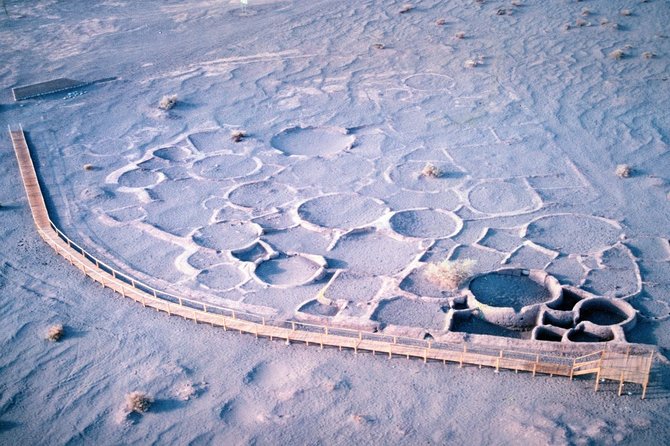
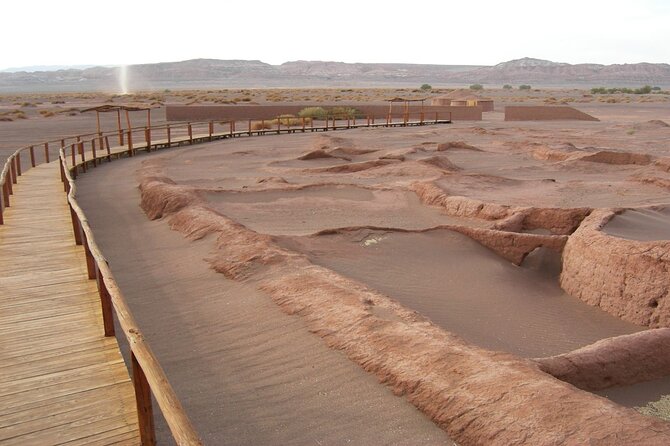
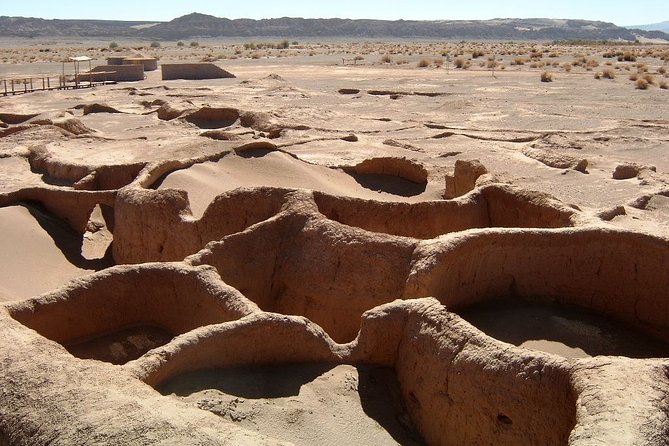
Tulor is described as the oldest inhabited vestige in the Atacama basin. Its remains show a maze of rounded, semicircular dwellings made from adobe, using mud and coiron straw. The homes were linked by interior patios, so this was not simply a collection of isolated huts. It was a connected settlement with its own pattern of movement and shared spaces.
I find this kind of site easier to understand when a guide explains the layout on the ground. Without context, low adobe walls can look like piles of earth. With a good explanation, the curved rooms, narrow passages, and patios begin to suggest daily life, family groups, and the practical use of local materials.
The first remains were found by Jesuit priest Gustave Le Paige in 1956. That detail gives the site a clear place in modern archaeological study, but the older story is the one that matters most: people made a home here long before San Pedro became a travel center.
You have about two hours at Tulor. That is a generous portion of a five-hour tour, and it gives the guide time to explain more than dates and names. The visit is best suited to you if you enjoy ancient settlements, archaeology, and questions about how communities adapted to a dry environment.
Admission is not included, so check the current entrance cost when you book. The tour price covers transport and guiding, but not every cost connected with the sites. That is normal for this type of excursion, though you should budget for it instead of treating $198.23 as the final amount.
More things to do in San Pedro de Atacama:
- San Pedro de Atacama: El Tatio Geysers Tour
★ 4.7 · 943 reviews - Tour to the Hidden Lagoons of Baltinache
★ 5.0 · 694 reviews - San Pedro de Atacama: Etno-Stargazing Tour with Transfer
★ 4.8 · 629 reviews
Pukará de Quitor combines history with a real workout
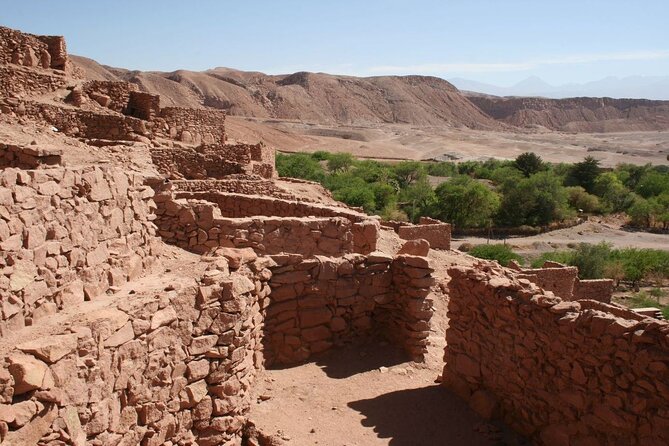
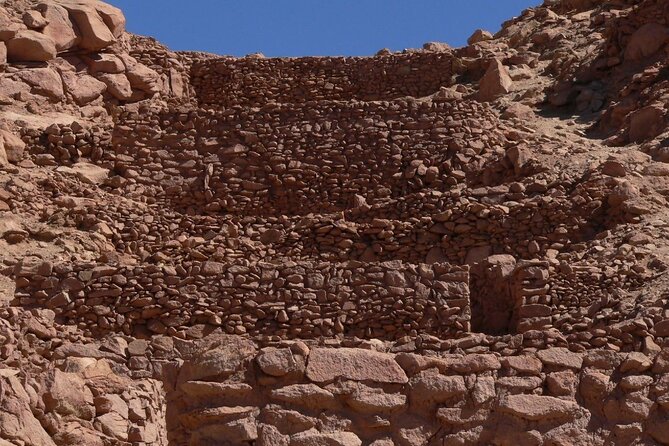
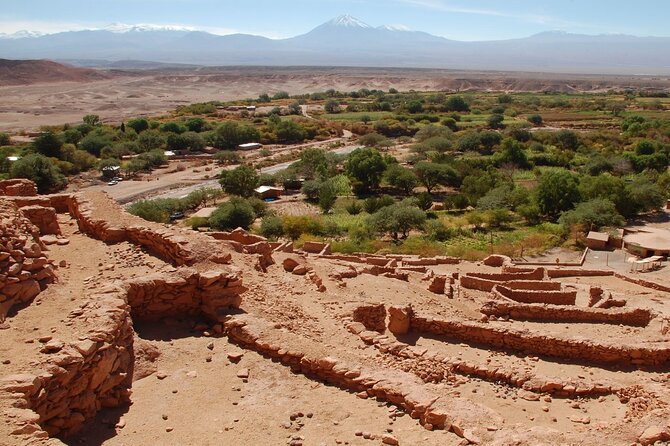
From Tulor, the tour continues to Pukará de Quitor, a fortified site linked with the entry to the oasis area of San Pedro de Atacama. The remains date to the 12th century as a building complex, while archaeological evidence in the area points to a much longer period of cultural exchange and settlement.
This is where the tour becomes more physical. Reaching the highest observation point involves a long climb. At Atacama’s elevation, even a walk that looks manageable on paper can feel demanding. The guide can encourage you as you go, and you may stop at any point, but you should not treat the ascent as a casual stroll.
I like that the tour does not hide this effort. The upper viewpoint is optional in practical terms, since you can stop before reaching it. You still see the fortress without pushing yourself too far. If you are sensitive to altitude, have limited mobility, or simply want a gentler morning, tell the guide early and set a comfortable limit.
The site also helps explain San Pedro’s position as a meeting point. Materials such as clay, wood, bones, and textiles show connections among different peoples and periods. The tour description names the Chinchorro, Coyas, Aymara, and Tiwanaku as groups linked through cultural exchange in the area.
That point is worth pausing over. Atacama culture was not sealed off from the rest of the region. Routes through the desert connected communities, goods, ideas, and customs. A fortress at the entrance to an oasis makes more sense when you see San Pedro as a place of movement and contact, not just an isolated desert town.
The available time at Quitor is about two hours. That includes the site visit and the walking required to see it. Wear shoes and clothing that allow comfortable movement. Bring water, sunscreen, and a hat if you use one. The supplied advice specifically calls for mineral water, comfortable clothes, and sun protection, and all three are sensible here.
San Pedro’s church adds a town-center finish
The Quitor portion also includes a visit to the Church of San Pedro in the historic center of town. This shifts the focus from pre-Columbian settlement remains to the later town and its religious identity.
The church visit is useful because it links the surrounding archaeological sites with the place you are using as your base. You are not looking at ancient sites as disconnected ruins. You are seeing how different layers of local culture occupy the same small area.
The information provided for the tour also refers to a museum as part of the cultural sequence, while the formal route specifically names the Church of San Pedro. Because of that difference, I would confirm the exact final town stop with the operator before departure if the museum is important to you.
The town-center stop is brief compared with Tulor and Quitor. That is appropriate for a half-day tour, but it also means this is not a full museum or church study visit. The main value comes from the guide’s explanation and from placing the archaeological sites within the broader story of San Pedro.
Coyo shows Atacameño traditions in daily use
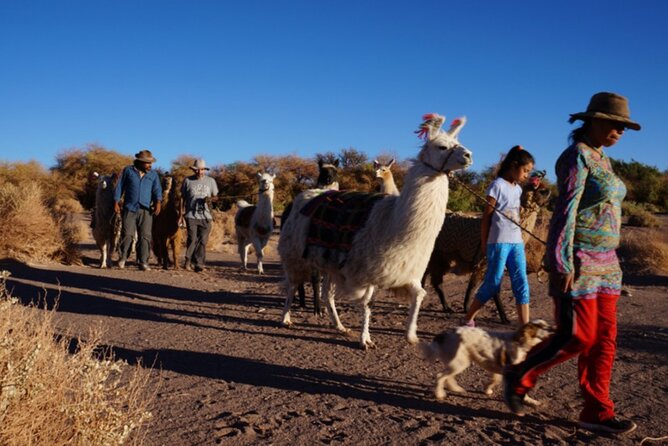
The final stop is the community of Coyo, where an Atacameño family combines older agricultural traditions with present-day tourism. You visit their home and receive a small tasting.
This part lasts about 20 minutes, so keep your expectations in proportion. It is not a full meal, cooking class, or long village visit. It is a short personal encounter that gives the morning a human ending.
I especially like the contrast. Tulor presents an ancient settlement through its remains. Quitor shows a fortified site and the region’s past connections. Coyo gives you a glimpse of how local traditions continue alongside modern work in agriculture and tourism.
The tour information notes that more than 20,000 Atacameños still live in small villages around San Pedro de Atacama. That fact keeps the archaeology from feeling like a story about a vanished people. You are learning about past communities, but you are also seeing that Atacameño identity remains part of the area today.
The tasting is included in the Coyo visit, but meals and drinks generally are not included in the tour. Think of it as a small sample connected to the family’s hospitality, not breakfast or lunch. If you need a substantial meal, plan to eat before or after the excursion.
A completely different kind of day out:
- Piedras Rojas, Altiplanics Lagoons & Salar Full-Day Tour
★ 4.7 · 592 reviews - The Roofless Experience San Pedro de Atacama Stargazing Tour
★ 5.0 · 522 reviews - Half Day Tour to Geysers del Tatio
★ 5.0 · 499 reviews - San Pedro de Atacama: Stargazing Experience
★ 4.7 · 489 reviews
The private format changes the pace
This is a private tour, meaning only your group participates. That is a major part of the value at $198.23 per person, especially if you are traveling with family or friends and want the guide’s attention during the site visits.
A private format can also help at Quitor. You can pause during the climb, ask more questions, or spend longer at a point that interests you without waiting for a large group. If someone in your party wants to continue upward while another person prefers to stop, the guide can help manage the pace within the limits of the five-hour schedule.
The tradeoff is price. At nearly $200 per person, this is not the economical choice for someone who only wants transportation to two archaeological sites. The cost is easier to justify if you care about interpretation, private service, and the flexibility of traveling with your own group.
Hotel pickup is offered only from selected centrally located hotels. If your accommodation lies outside the pickup area, the operator will confirm a nearby meeting point. You need to provide your hotel name and address when booking.
The morning starts at 8:00 a.m. Drop-off is at downtown municipal parking, not necessarily back at your hotel door. That final detail is easy to miss. If you have a large bag, a mobility concern, or a tight afternoon booking, plan around the downtown drop-off rather than assuming a return to your exact accommodation.
What the guide adds to the archaeological sites
The guide is the key factor in this experience. Adobe walls and stone defenses can be difficult to read without help, especially when you are dealing with unfamiliar names, long time periods, and several cultural groups.
The strongest praise is directed at the guide’s clear explanations and friendly manner. Pablo is specifically named as a local guide who communicates Atacameño history with ease. That local connection is valuable here because the tour is not only about ancient construction methods. It also covers customs, traditions, cultural exchange, and the continuing presence of Atacameño communities.
You should ask questions as you go. At Tulor, ask about the adobe and coiron straw construction, the interior patios, and the settlement’s layout. At Quitor, ask how the site functioned as an entry point to the oasis and how the different cultural connections are understood.
A strong guide also helps keep the information grounded. Dates such as 300 BC to 500 AD appear in the archaeological discussion, while the Pukará structure is identified with the 12th century. These dates describe different phases and kinds of evidence, so asking for clarification can make the story much easier to follow.
Price, inclusions, and practical value
The listed cost is $198.23 per person. Included are hotel pickup and drop-off arrangements for central hotels, a professional guide, and an air-conditioned vehicle. The private format is also important when judging the price.
Not included are entrance fees, meals, drinks, and extras not detailed in the route. You should bring water and sun protection rather than expecting refreshments in the vehicle. The small tasting in Coyo is part of the final cultural visit, but it should not replace a meal.
The tour is often booked about 84 days ahead. That suggests you should reserve early if your dates are fixed, particularly if you want a private morning departure. Confirmation is received at booking, and free cancellation is available up to 24 hours before the start time. Changes or cancellations inside that window are not accepted for a refund.
The route lasts about five hours. For a morning in San Pedro, that is a sensible length: long enough to visit three distinct settings, but short enough to leave part of the day open. The cost becomes more reasonable when you value a focused cultural outing instead of trying to arrange transport, site tickets, and explanations separately.
Who should book this Atacama culture tour
I would recommend it most strongly if you want history beyond the region’s famous salt flats, lagoons, and desert scenery. Tulor and Quitor offer a different side of the Atacama, one based on settlement, exchange, architecture, and living community traditions.
It also suits you if you prefer a private experience and want to ask questions without a large group setting. Families and small groups may find the format especially useful, since the pace can be adjusted to the people in your vehicle.
You should think twice if your main goal is a relaxed sightseeing morning with almost no walking. The Quitor climb is long, and high elevation adds real effort. People must be between 8 and 75 years old and in good health according to the participation rules.
This is also not the best choice if you want a long local meal, extensive museum time, or a full-day archaeological survey. Coyo lasts only about 20 minutes, and the central town stop is part of a compact route.
Should you book it?
Book this tour if you want San Pedro’s past explained by a local guide, not just photographed from a vehicle. Tulor’s adobe settlement, Quitor’s climb, and Coyo’s family visit create a useful progression from ancient home life to fortified history to living tradition.
Skip it if the price feels high for a half-day outing or if the Quitor ascent would make the morning uncomfortable. For everyone else, the private format, clear cultural focus, and practical five-hour schedule make this a strong choice for seeing the Atacama beyond its better-known natural sights.
FAQ
How long does the archaeological tour last?
The experience lasts approximately five hours, beginning at about 8:00 a.m.
What sites are included?
The route includes Aldea de Tulor, Pukará de Quitor, the Church of San Pedro in the historic center, and the community of Coyo.
Is hotel pickup available?
Pickup is available from selected centrally located hotels. If your hotel is outside the pickup area, the operator will confirm the closest meeting point.
Are entrance fees included?
No. Entrance fees are not included in the tour price. Meals, drinks, and other extras are also excluded.
Is the tour private?
Yes. Only your group participates in this private activity.
What should I bring?
Wear comfortable clothing and bring sunscreen and mineral water. Because of the altitude, the activity is limited to people aged 8 to 75 who are in good health.
Just added in San Pedro de Atacama
- Vallecito★ 4.7 · 13 reviews
- Atacama Desert and Magic Bus Visit★ 4.8 · 15 reviews
- San Pedro de Atacama: Valle de la luna★ 3.0 · 3 reviews
- Valle de la Luna: A Moon-Like Escape in Atacama★ 5.0 · 3 reviews
- Triple Tour: Piedras Rojas + Altiplanic Lagoons + Chaxa Lagoon★ 5.0 · 1 review
- Red Stones + Altiplánica Lagoons★ 5.0 · 1 review
- Atacama Stargazing Tour Under One of the World’s Clearest Skies★ 4.0 · 3 reviews
- Tour to Laguna Cejar and Tibenquinche★ 4.5 · 7 reviews
San Pedro de Atacama Tours, compared.


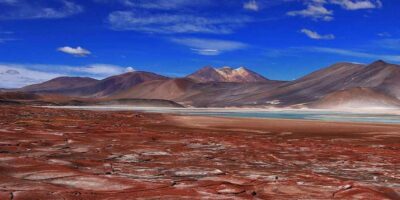
Piedras Rojas, Altiplanics Lagoons & Salar Full-Day Tour
Read our review →
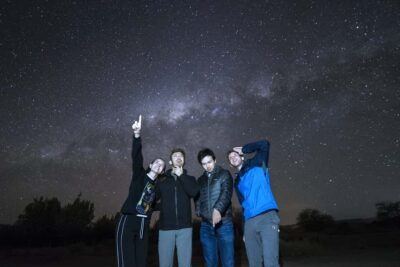
The Roofless Experience San Pedro de Atacama Stargazing Tour
Read our review →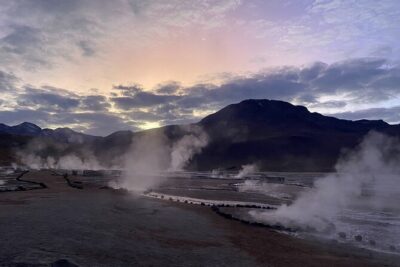
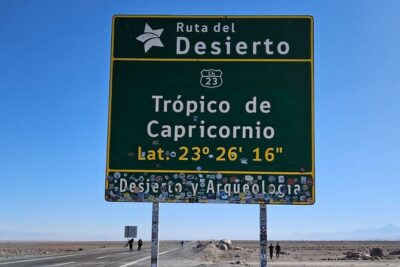
Full Day Tour to Piedras Rojas, Altiplanic Lagoons and Chaxa
Read our review →Browse the lists this tour appears in