
REVIEW · CHILE
Andean Lakes Crossing Journey from Bariloche to Puerto Varas
The Andes make a fine border crossing. This 11-hour trip links Bariloche and Puerto Varas by catamaran, bus, and smaller lake boats, turning a necessary transfer into a full day of Patagonian scenery. I especially like the first sailing on Nahuel Huapi Lake and the later views of Osorno, Puntiagudo, and Tronador on Todos los Santos Lake.
I also like the variety. You are not stuck on a coach all day, and the route passes through Nahuel Huapi National Park, Puerto Blest, Lago Frías, Pérez Rosales National Park, Petrohué, and Llanquihue Lake. The main drawback is the long day, with border procedures, scheduled connections, and no food included, so you need to arrive prepared.
The price is $455 per person, which is high for a transfer but easier to justify if you would otherwise pay for transport and separate sightseeing. Guides Guadalupe, Marcos, and Guillermo earned specific praise for their work, and live commentary is available in Spanish and English.
In This Review
- Key points to know before booking
- Why this crossing is more than a bus ride
- Nahuel Huapi National Park and the first catamaran
- Lago Frías brings a smaller, quieter crossing
- Border formalities between Argentina and Chile
- Pérez Rosales National Park and Petrohué
- Todos los Santos Lake and its volcano views
- The final road to Puerto Varas and Llanquihue Lake
- What the $455 price really covers
- Luggage, documents, and practical planning
- Guides and the human side of the journey
- Who should book this Andean Crossing?
- Should you book the crossing?
- FAQ
- How long does the Andean Lakes Crossing take?
- What languages are available for the guide?
- What documents do I need?
- Is food included?
- How much luggage can I bring?
- Is the experience suitable for wheelchair users?
Key points to know before booking
- Nahuel Huapi begins the day by catamaran: The opening boat ride gives you a broad introduction to Bariloche’s mountain-and-water setting.
- The journey uses several forms of transport: Expect buses, a large catamaran, and lake boats rather than one direct vehicle.
- Lago Frías is a short but memorable crossing: Its emerald-green water adds a quieter contrast to the larger lakes.
- Todos los Santos is the scenic high point: The 2.5-hour navigation may bring views of Osorno, Puntiagudo, and Tronador when weather allows.
- You cross from Argentina into Chile: Your passport details must be submitted in advance, and your current passport is required on the day.
- This is a transfer with sightseeing built in: It works best when Puerto Varas is your next stop, not when you need a relaxed day in one place.
Why this crossing is more than a bus ride
The Andean Lakes Crossing follows an old and carefully arranged route through the mountains between northern Patagonia’s two major lake towns. Instead of cutting across the Andes by road, you move through a chain of water routes and mountain roads.
That variety is the point. You get the scale of Nahuel Huapi, the quieter character of Lago Frías, the protected forests around Pérez Rosales National Park, and the wide volcanic views from Todos los Santos Lake. Each section feels different, which helps the long day pass.
I would treat this as a sightseeing journey first and a transfer second. You will reach Puerto Varas in the evening, so this is not an efficient choice if your only goal is to get from one town to the other. But if the alternative is losing a full day to ordinary road transport, the extra cost buys you a much more memorable route.
The day begins at Mitre 150 in Bariloche. From there, a 45-minute coach ride takes you toward Puerto Pañuelo and the first major part of the crossing. The exact starting time depends on availability, so check the schedule carefully before booking accommodation around it.
Other trips worth a look in Chile:
- Valparaiso Port and Viña del Mar with Casablanca Wine Tasting
★ 5.0 · 6,110 reviews - Santiago: Cajon del Maipo/Embalse del Yeso Tour with Picnic
★ 4.3 · 3,789 reviews - Santiago: Vina Del Mar, Valparaiso, Casablanca & Reñaca Tour
★ 4.2 · 2,838 reviews
Nahuel Huapi National Park and the first catamaran
The opening coach segment lasts about 45 minutes and leads into Nahuel Huapi National Park. This is a useful start because you are not rushed straight onto a boat without context. The park gives the route its first taste of the region’s mountain scenery, and there is roughly an hour allocated for sightseeing and hiking.
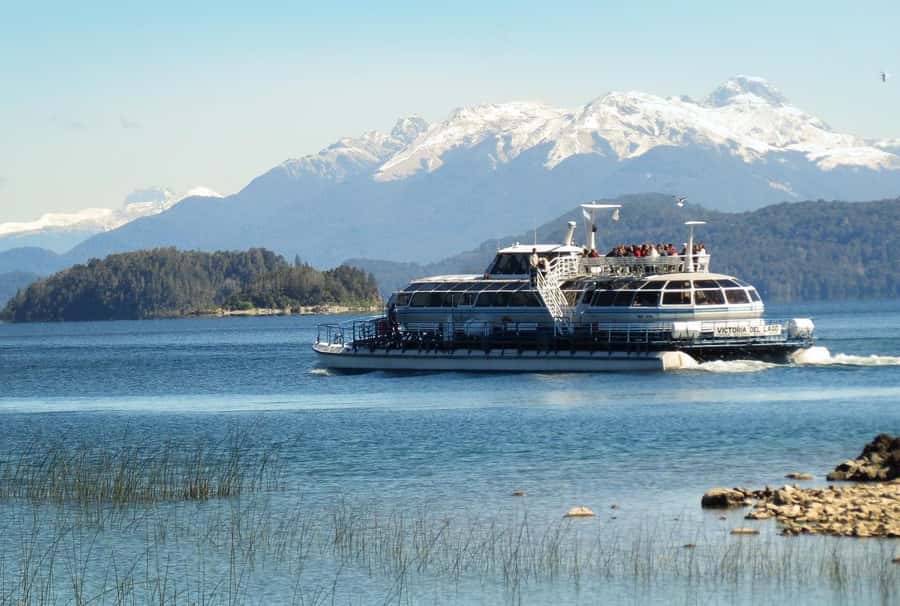
The main event here is the catamaran voyage across Nahuel Huapi Lake. It is a large, famous body of water, and the scale of the crossing matters. From the boat, the surrounding peaks and wooded shores spread out in a way that is hard to appreciate from a roadside viewpoint.
I like this section because it immediately explains why the Andean Crossing has a reputation as one of the prettiest ways to move between Argentina and Chile. The boat adds space and quiet to the day. You can watch the scenery change instead of simply passing it through a bus window.
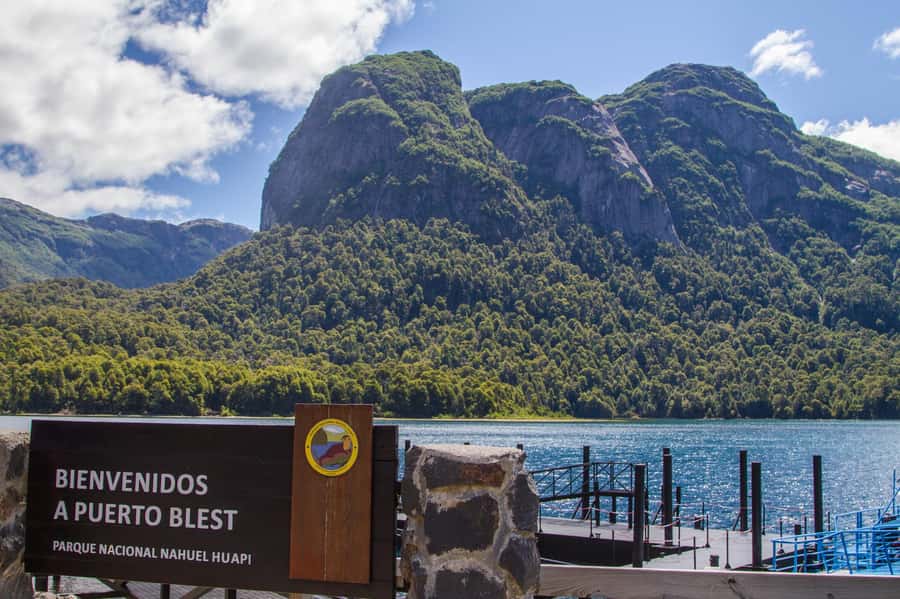
Puerto Blest follows, with about 1.5 hours for free time and sightseeing. This is one of the more useful pauses in the schedule. You can stretch your legs, take in the setting, and reset before the next transport connection.
Do not expect a long independent walk or a full excursion at every stop. The schedule is tightly linked to the boats and coaches. Keep an eye on the guide and return times, since missing a connection would be far more serious here than missing a casual city tour.
Lago Frías brings a smaller, quieter crossing
A short coach ride of about 15 minutes leads to the next boat section at Lago Frías. The crossing itself takes around 20 minutes, making it much shorter than the main lake navigations.
Lago Frías is known in the route description for its calm, emerald-green water. The smaller scale changes the mood. After the broad expanse of Nahuel Huapi, this section feels more enclosed by the Andes and more focused on the immediate setting.
Because the sailing is brief, I would not book this journey expecting long periods on every boat. Some sections are about the overall rhythm of the route rather than a single major attraction. The payoff comes from the succession of lakes, roads, and parks.
This is also where the day begins to feel like a true international crossing rather than a scenic boat trip from Bariloche. You continue toward the Chilean side and complete the border formalities before entering Pérez Rosales National Park.
Border formalities between Argentina and Chile
The passport requirement here is serious, not a minor footnote. You need a current valid passport on the day of travel, and the booking process requires each passenger’s passport name, number, expiration date, occupation, and country of residence.
Those details must be submitted no later than 30 hours before the trip. Passengers who have not completed the required check-in or online document submission cannot board, because immigration needs the presented documents to match the entry requirements.
You are also responsible for checking whether your nationality requires a visa for Chile. The operator cannot make that decision for you. Colombian passengers have an additional identification requirement involving the valid number printed on the back cover of the passport, made up of two letters and six numbers.
Allow some patience for this part of the day. International crossings can take time, and the schedule has to accommodate official checks. Keep your passport easy to reach, but secure it carefully when you are not using it.
A completely different kind of day out:
- Cable Car, Funicular and Sightseeing Bus in Santiago one day
★ 5.0 · 2,325 reviews - Small-Group Cajón del Maipo Full-Day Tour and Picnic
★ 4.5 · 2,277 reviews - Tour to Valparaíso, Viña del Mar, Pablo Neruda Museum and Vineyard
★ 5.0 · 2,273 reviews - Maipo Valley Wine Tour with 4 vineyards from Santiago.
★ 5.0 · 1,983 reviews
Pérez Rosales National Park and Petrohué
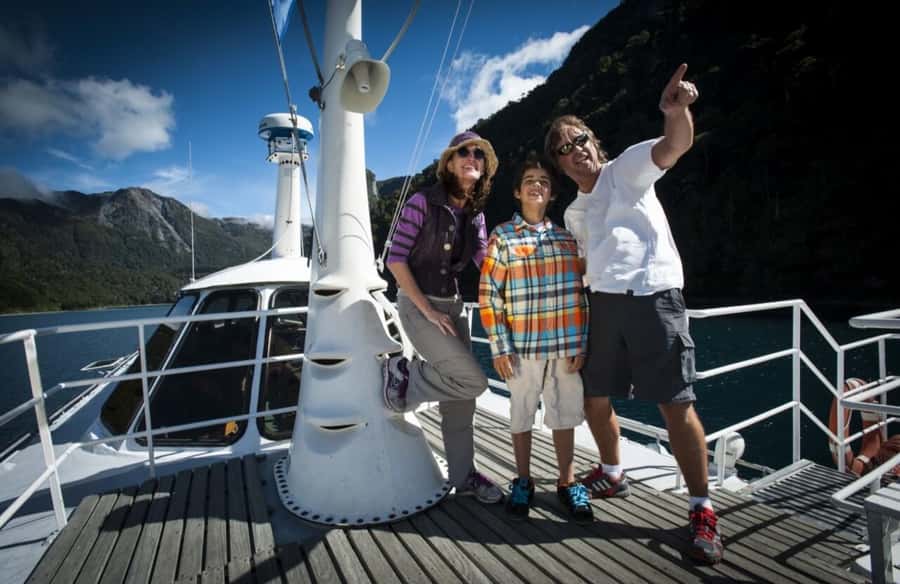
After entering Chile, the route continues through Pérez Rosales National Park, described as Chile’s oldest protected area. This gives the journey a stronger sense of place. You are not simply crossing a line on a map, you are moving from one major protected area into another region shaped by volcanoes, forests, and lakes.
The schedule includes about an hour at Petrohué. The Petrohué Waterfalls are one of the route’s best-known stops, and their force comes from the contrast between rushing water and the wider mountain setting.
A visit of about one hour is enough to see the main area, though it is not a leisurely half-day stop. If you enjoy photographs, this is one of the places where you will want to have your camera ready before leaving the bus. Wear practical shoes, since the day includes sightseeing and some walking rather than only seated transport.
The road sections are important here. Boats provide the drama, but coaches connect the water routes and carry you through the protected Chilean side of the Andes. The change between transport modes is part of the experience, though it also means you should keep your luggage manageable.
Todos los Santos Lake and its volcano views
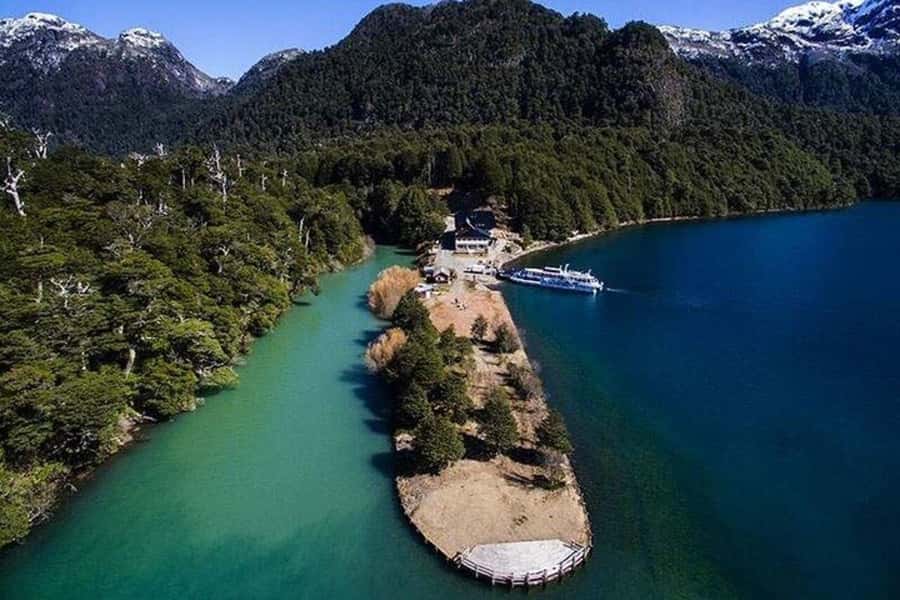
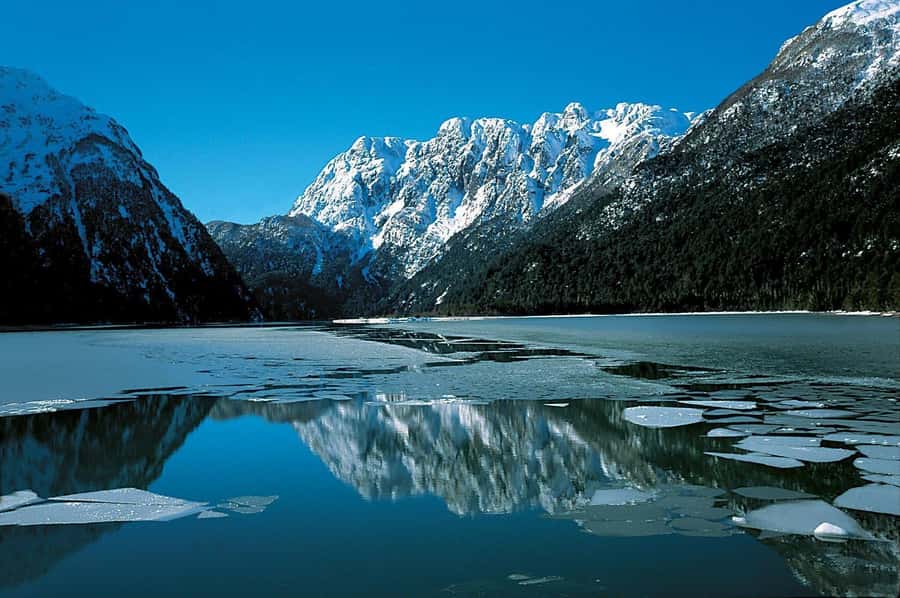
Todos los Santos Lake is the scenic centerpiece of the Chilean portion. The navigation lasts about 2.5 hours, giving you the longest sustained period on the water after Nahuel Huapi.
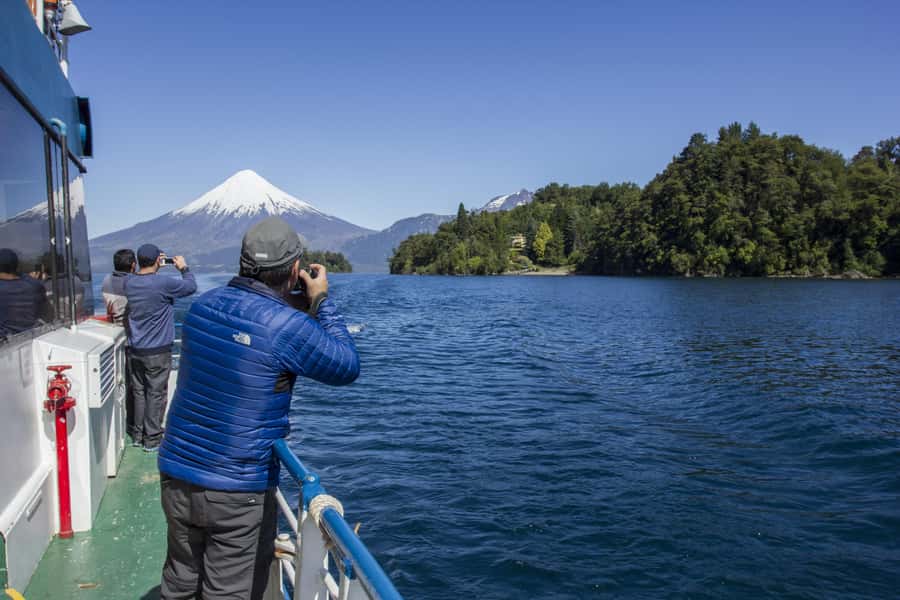
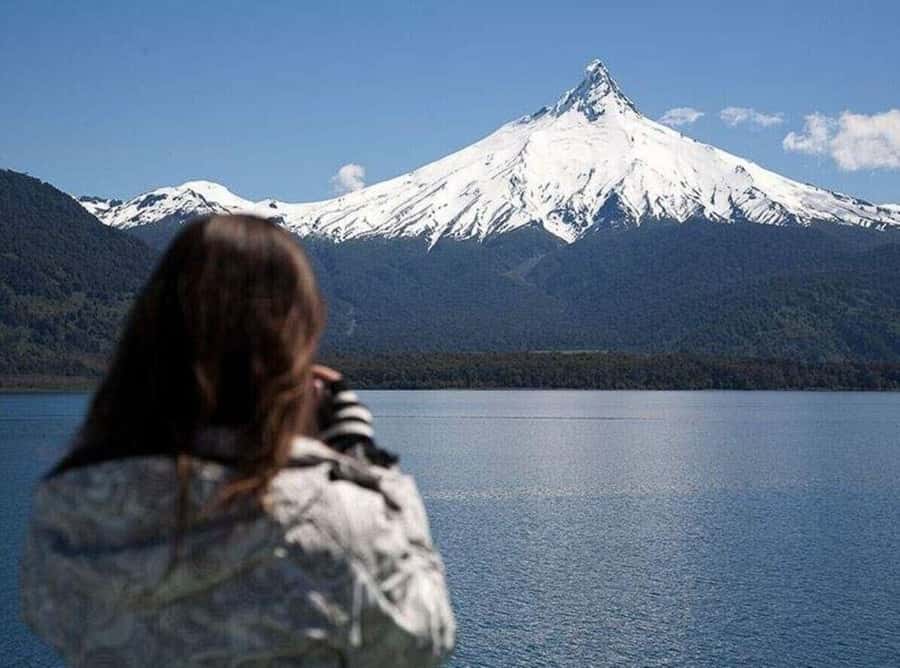
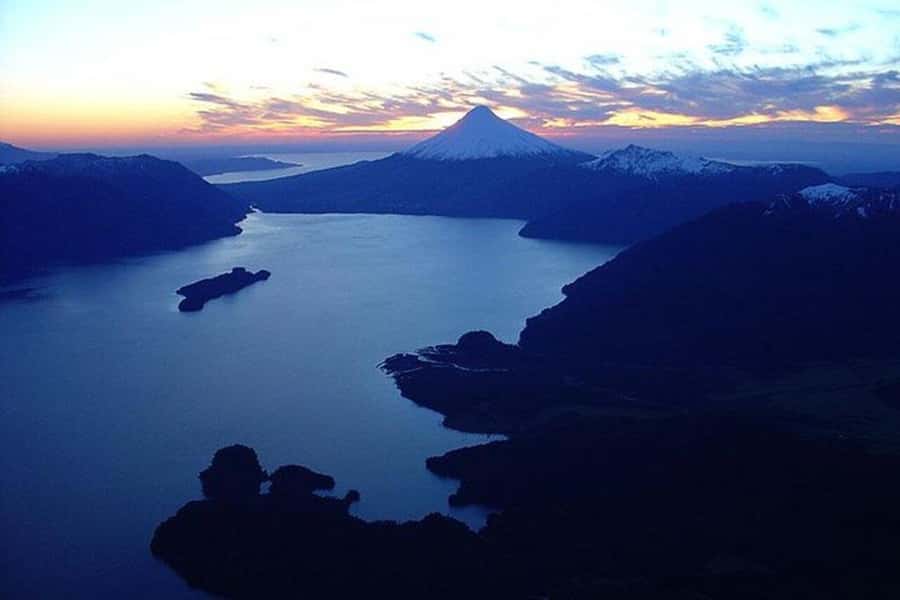
Weather permitting, you may see Osorno, Puntiagudo, and Tronador. These volcano views are the reason to keep your expectations flexible. The route can place you in an extraordinary setting, but clouds, rain, or haze may hide the peaks. No boat schedule can control Patagonian weather.
Osorno is especially associated with the classic views around southern Chile, while Puntiagudo and Tronador add variety to the mountain skyline. The long sailing gives you time to look for changing angles instead of grabbing one quick photograph and moving on.
This is where the trip feels least like transportation. You have time to sit, watch the water, and let the scenery come to you. I would keep a warm layer close, even if the morning in Bariloche feels mild. Conditions on open water can change, and you may want to spend part of the crossing outside.
The boat ride is also a good reason to avoid overplanning your evening in Puerto Varas. The journey continues by coach afterward, and you are expected to arrive in the city later in the day.
The final road to Puerto Varas and Llanquihue Lake
After Todos los Santos, a coach ride of about 1.5 hours takes you toward Puerto Varas. The route passes along Llanquihue Lake, another major body of water in the Puerto Varas area.
The final road section gives you a useful transition from the protected mountain route to the Chilean destination itself. By the time you arrive, the day has taken you through several distinct settings rather than one continuous view.
The published route information describes the drop-off as Puerto Varas, while one itinerary field also shows Mitre 150 as an arrival point. That conflict should be confirmed directly when you book, especially if you are carrying luggage or have a hotel waiting in Puerto Varas. The overall experience is clearly described as transport from Bariloche to Puerto Varas, but the meeting and arrival details deserve a quick check.
What the $455 price really covers
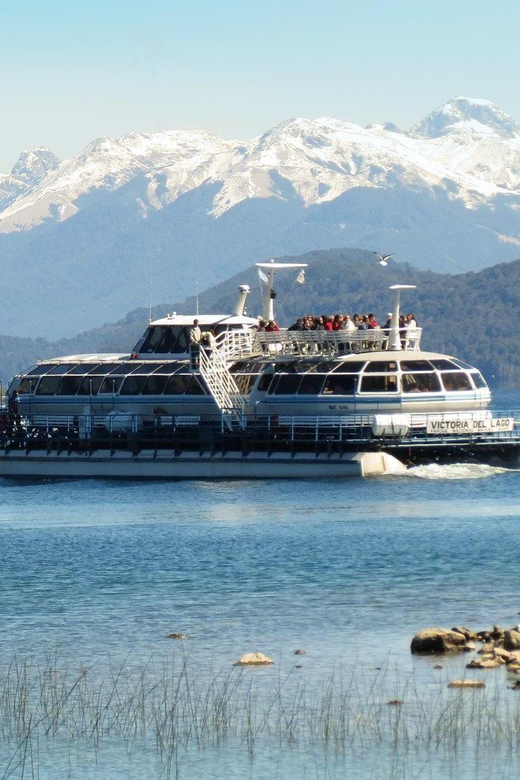
At $455 per person, this is not a budget transfer. The cost includes all bus and boat transportation from the Bariloche meeting point to the Puerto Varas drop-off point, along with a professional guide and live commentary in Spanish and English.
That package has real value if you want to see the route without arranging several separate tickets yourself. The operator handles the chain of coaches and boat crossings, which is the complicated part of this journey. You also get guided context instead of simply being moved from one terminal to another.
Still, the price does not include national park entrance fees or port taxes. Food and drinks are also extra. Add those costs before deciding, and carry something to eat because the day is long and the schedule includes several transport changes.
The price makes the most sense in three cases:
- You already plan to travel from Bariloche to Puerto Varas.
- You value scenery and guided transport more than the lowest fare.
- You would otherwise need to arrange multiple border, boat, and bus connections yourself.
It is harder to justify if you are staying in Bariloche and only want a day trip, since the route ends in Puerto Varas rather than returning you to your starting city. It also may not suit you if you prefer slow meals, long walks, or complete control over the day’s timing.
Luggage, documents, and practical planning
One item of luggage up to 23 kilograms is allowed free, along with one carry-on bag or purse. Additional luggage must be declared at check-in and carries an extra charge.
Pack light enough to move between coaches and boats without help. The route includes several connections, and a compact suitcase or manageable backpack will make the day less awkward. Keep your passport, phone, medications, and any snacks in your carry-on.
Bring your passport, not a photocopy. You need the current document for the international crossing, and the passenger information submitted before departure must match what you present at immigration.
The activity is non-refundable, and no refunds apply within seven days of departure. Since this is a border-crossing trip, check your documents and Chile entry requirements before paying. The activity is not suitable for wheelchair users, so anyone with mobility concerns should confirm whether the transport changes and boat access can meet their needs.
Guides and the human side of the journey
The guide can make a long crossing much easier. You need clear directions during the bus and boat changes, useful timing reminders, and calm help around the border process.
Guadalupe, Marcos, and Guillermo received particular praise for doing a great job. That is a meaningful detail on a route with multiple stages. Their role is not just to point out mountains, but to keep the day moving and help you understand what happens next.
Live commentary is offered in Spanish and English. If you want explanations during the trip, confirm your preferred language when booking or at the start of the day. The single recorded rating available for the experience was five out of five, with the guides named directly in the positive comment. That is encouraging, though it is still a small sample, so I would keep the praise in perspective.
Who should book this Andean Crossing?
I would recommend this experience to you if you want the most scenic practical connection between Bariloche and Puerto Varas. It suits people who enjoy changing transport, mountain views, lake travel, and a full day with a fixed schedule.
It is also a good fit if you are visiting Patagonia for the first time and want one journey that introduces both sides of the Andes. You see Argentine and Chilean protected areas, cross several lakes, pass waterfalls, and finish in a different cultural setting.
You may want another option if you dislike long days, have strict meal or rest requirements, need step-free access, or want to return to Bariloche at night. The route is rewarding, but it asks for patience. Weather may limit the volcano views, and the border crossing adds an unavoidable element of waiting.
Should you book the crossing?
Book it if the journey itself is part of your holiday. For $455, you are paying for more than a transfer, but the value depends on your interest in the route. Nahuel Huapi, Lago Frías, Todos los Santos, Petrohué, and the volcano views create a full day of changing scenery that ordinary transport cannot match.
Before booking, verify the Puerto Varas drop-off details, submit the correct passport information at least 30 hours ahead, check Chile entry rules, and budget for park fees, port taxes, food, and drinks. If the timing and paperwork suit you, this is a memorable way to cross the Andes, with the practical bonus of arriving at your next destination.
FAQ
How long does the Andean Lakes Crossing take?
The experience lasts 11 hours. It begins in Bariloche and finishes in Puerto Varas, with bus rides, boat crossings, sightseeing stops, and border formalities along the way.
What languages are available for the guide?
Live commentary and guiding are available in Spanish and English.
What documents do I need?
You need a current valid passport on the day of travel. Passport name, number, expiration, occupation, and country of residence are required during booking for every participant.
Is food included?
No. Food and drinks are not included in the price, so you should plan and budget for them during the long journey.
How much luggage can I bring?
One item weighing up to 23 kilograms is allowed free, along with one carry-on bag or purse. Additional luggage must be declared at check-in and may cost extra.
Is the experience suitable for wheelchair users?
No. The activity is listed as unsuitable for wheelchair users.
Just added in Chile
- Ascent to Villarrica volcano 2,847masl, from Pucón★ 4.8 · 36 reviews
- Volcanic Refuges: Excursion to Underground Civilization★ 4.7 · 8 reviews
- Walking City Tour with Funicular, Cable Car and Tasting★ 4.3 · 6 reviews
- Viña del Mar and Reñaca 4-Hour Pacific Coast Tour★ 4.7 · 14 reviews
- Viña del Mar and Valparaiso: guided day tour★ 4.2 · 8 reviews
- Private: Viña del Mar and Valparaiso Day Tour★ 5.0 · 5 reviews
- VIÑA DEL MAR AND VALPARAISO TOUR★ 4.8 · 20 reviews
- Viña del Mar y Valparaíso – Full Day★ 5.0 · 1 review