
REVIEW · 3-HOUR EXPERIENCES
3h Tasting Session in Santiago with 33 Local Foods & Drinks
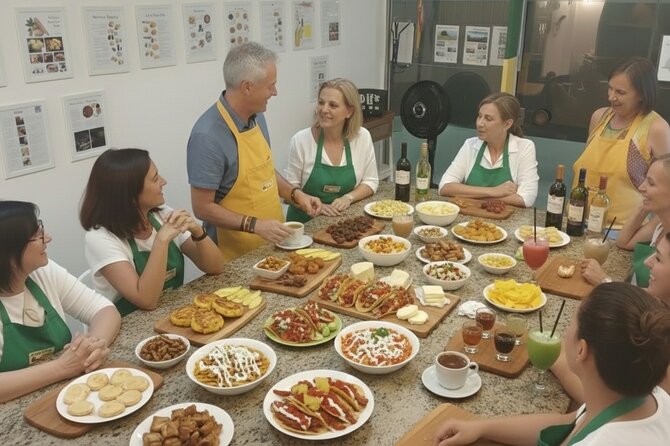
Come hungry, leave better informed. This Santiago tasting session offers more than a parade of snacks: you sample 33 Chilean foods and drinks while a local host explains when people eat them and what they mean in daily life. I like the small maximum group of eight, which should keep the conversation personal, and I like the menu’s range, from pisco sour and sopaipillas to cazuela, empanadas, cheese, and mote con huesillo. The chance to meet host Greg is another plus, especially since his relaxed mix of food, drinks, and explanation has earned warm praise.
The main consideration is that the advertised duration is about three hours, while one account describes a session lasting five hours. That may mean the pace varies, or that the format has changed, so I would allow extra time if your Santiago schedule is tight. Also, this is a tasting and cultural lesson, not a hands-on cooking class.
In This Review
- Key points at a glance
- Why this Santiago food experience is worth considering
- Starting with pisco sour and familiar Chilean bites
- Pebre, marraqueta, and the language of Chilean food
- Empanadas de pino bring Chilean comfort food to the table
- Cheese, membrillo, and mote con huesillo to finish
- A tasting, not a cooking class
- Why the group size changes the experience
- Price, value, and what you actually receive
- Timing, meeting point, and useful planning notes
- Who should book this Chilean food tasting
- Should you book it?
- FAQ
- How long does the tasting session last?
- What time does the activity start?
- Where does the experience begin and end?
- How many people can join?
- Are food allergies and intolerances accommodated?
- Can someone under 18 or someone who does not drink alcohol participate?
- Is transportation included?
Key points at a glance
- Thirty-three tastes in one sitting: You get a broad introduction to Chilean food, not just one famous dish.
- Pisco sour starts the afternoon: The classic drink comes with lime and bitters, and bottomless servings are included.
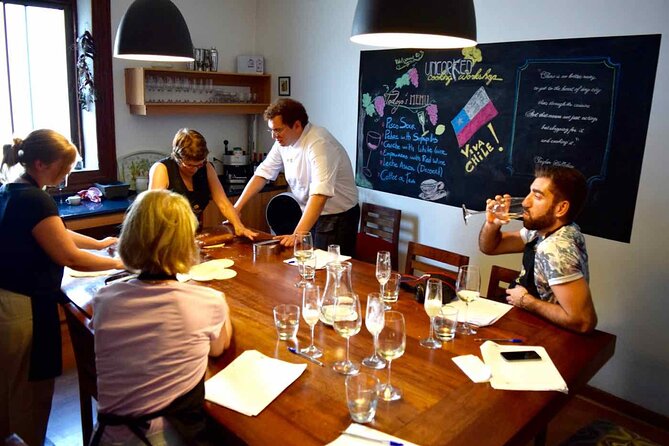
- A small group of eight: The size suits questions, conversation, and a more relaxed exchange with the host.
- Everyday Chilean food takes center stage: Sopaipillas, pebre, marraqueta, cazuela, and mote con huesillo help explain ordinary eating habits.
- Greg may be your host: His presentation has been praised for giving just the right amount of food and drink information.
- Dietary needs can be discussed ahead of time: Allergies and intolerances can be accommodated, and alcoholic drinks can be made without alcohol.
Why this Santiago food experience is worth considering
Santiago has plenty of restaurants, but a menu alone does not always explain how Chileans eat at home, at celebrations, or during a casual afternoon with friends. This tasting session tries to fill that gap. You sit in a carefully selected local setting, meet the host and a small group, then work through a long list of traditional foods and drinks.
I like that the food is presented as part of daily life rather than as a stage show. You are not simply handed a plate and told its name. The host explains what each item is, when locals eat it, and why it has a place in Chilean food culture. That context can make a simple bread bite or fruit drink more interesting than a costly restaurant dish.
The session is offered in English, which matters when you want more than a quick translation. You can ask why a dish is made a certain way, how it is normally served, or what Chilean food stereotypes get wrong. One useful aim of the experience is to clear up common myths about the country’s cuisine.
The format also suits people who like to talk while they eat. There is time to compare flavors, ask questions, and take photos without being hurried from one address to another. The tradeoff is that this is a seated tasting experience, not a walking tour through several Santiago neighborhoods.
More things to do in Santiago:
- Valparaiso Port and Viña del Mar with Casablanca Wine Tasting
★ 5.0 · 6,110 reviews - Santiago: Cajon del Maipo/Embalse del Yeso Tour with Picnic
★ 4.3 · 3,789 reviews - Santiago: Vina Del Mar, Valparaiso, Casablanca & Reñaca Tour
★ 4.2 · 2,838 reviews
Starting with pisco sour and familiar Chilean bites
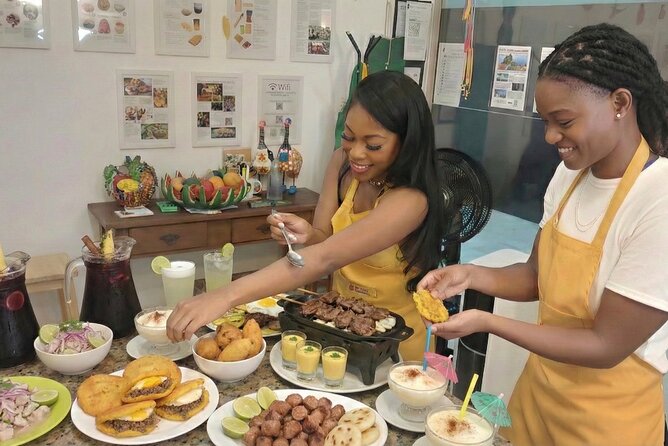
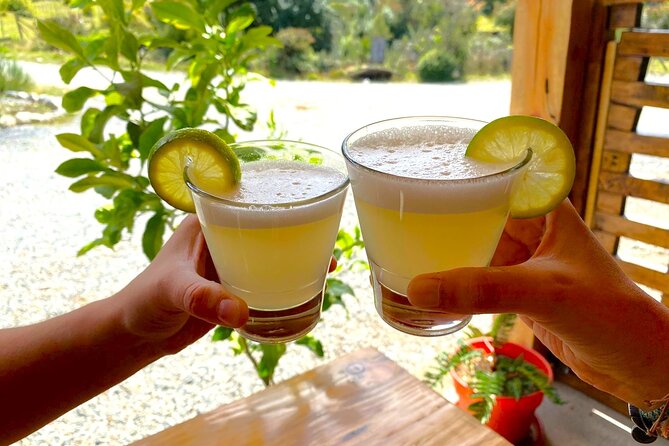
The session begins at noon, so it works well as a substantial lunch or an early afternoon activity. The first taste is a pisco sour, made with lime and a touch of bitters. The drink is described as bottomless, although the included drinks are covered while extra beverages are not.
That distinction is worth noting. You should not need to buy the listed alcoholic pairings separately, but any drinks outside the planned offering cost extra. Bottled water is included as well, a small but welcome detail during a long tasting.
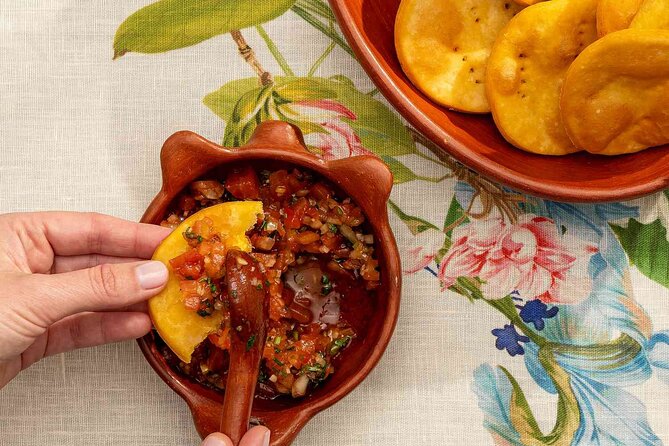
The opening foods introduce several basic Chilean flavors. Sopaipillas are light pumpkin fritters served with lively salsa. They offer a crisp, soft, and tangy combination, while also showing how pumpkin can appear in a savory snack rather than only in a sweet dish.
Cazuela arrives in miniature form, as a shot-sized serving of chicken and corn soup. The small portion lets you sample a comforting dish without filling up too early. Cazuela is especially useful in this setting because the host can explain the difference between tasting a national comfort food and eating a full bowl at home.
Choripán sliders bring small chorizo sausages, pebre, and soft bread together. The size is practical, since you have many more dishes ahead. Pebre, a fresh salsa commonly built around tomato and cilantro, supplies a sharp, herbal lift that keeps the sausage from feeling too heavy.
Pebre, marraqueta, and the language of Chilean food
The pebre and marraqueta bites make a good teaching moment. Marraqueta is a crisp Chilean bread with a familiar place in local eating. Topped with fresh cilantro and tomato salsa, it shows how a few plain ingredients can create a strong, fresh bite.
This part of the menu may seem modest next to an empanada or a pisco sour, but it is exactly the sort of food context that gives the experience value. You begin to recognize common building blocks rather than memorizing a list of dishes.
You also get time to notice texture. The bread is crisp, the salsa is fresh, and the flavors are direct. The session is not built around rare ingredients or elaborate restaurant plating. That is a strength if you want a practical introduction to what Chileans actually eat.
I would pay attention to how the host describes the foods, not just how they taste. The stated goal is to explain when locals eat each item and why it matters. That information can help you read menus later in Santiago and choose dishes with more confidence.
Empanadas de pino bring Chilean comfort food to the table
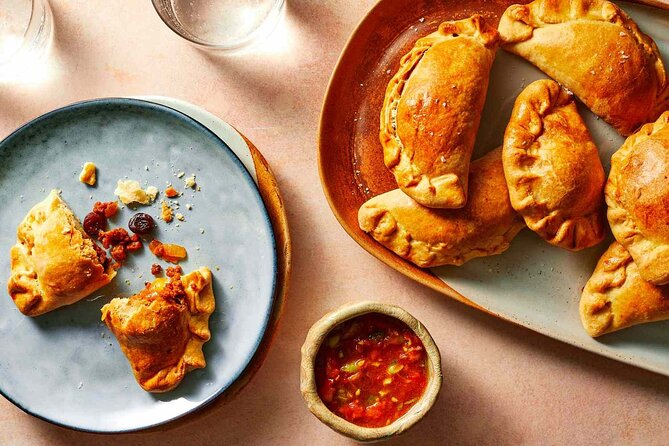
Empanadas de pino are handmade turnovers filled with spiced beef, olives, and egg. This is one of the most useful items in the tasting because it combines several flavors strongly associated with Chilean home cooking.
The filling is savory and substantial, with the olives adding salt and the egg adding a softer texture. The pastry turns the filling into a portable meal, which helps explain why empanadas are such a practical part of food culture.
The portion is not specified, but the overall format suggests small or tasting-sized servings. That matters because 33 items can sound enormous. You will likely get only a bite or small sample of many foods, rather than 33 full meals. Even so, you should arrive with a healthy appetite.
The empanada is also a good point to ask questions. Chile has its own approach to empanadas, and the host can help you separate local habits from broad assumptions about Latin American food. That kind of explanation is more useful than a generic statement that every country has a version of the dish.
A completely different kind of day out:
- Cable Car, Funicular and Sightseeing Bus in Santiago one day
★ 5.0 · 2,325 reviews - Small-Group Cajón del Maipo Full-Day Tour and Picnic
★ 4.5 · 2,277 reviews - Tour to Valparaíso, Viña del Mar, Pablo Neruda Museum and Vineyard
★ 5.0 · 2,273 reviews - Maipo Valley Wine Tour with 4 vineyards from Santiago.
★ 5.0 · 1,983 reviews
Cheese, membrillo, and mote con huesillo to finish
The sweet course begins with local quesillo paired with membrillo, or quince paste. The combination is simple but effective: mild cheese against dense, fruity sweetness. It shows how Chilean desserts do not need to be elaborate to feel complete.
Mote con huesillo closes the menu. This chilled peach and wheat-berry drink is both a dessert and a refreshing local specialty. The soft wheat berries give it more substance than ordinary fruit juice, while the peach brings a clear, summery sweetness.
This final pairing gives the tasting a useful change of pace. After savory bites, sausage, soup, bread, and pastry, the cool fruit drink resets your palate. It also gives you another item to look for during the rest of your time in Chile.
The sample menu names several drinks and foods, but it does not list all 33 tastes individually. That is not necessarily a problem, since the point is variety and explanation rather than checking off a fixed restaurant menu. Still, if you have strong dislikes or allergies, tell the provider in advance so the host can plan around them.
A tasting, not a cooking class
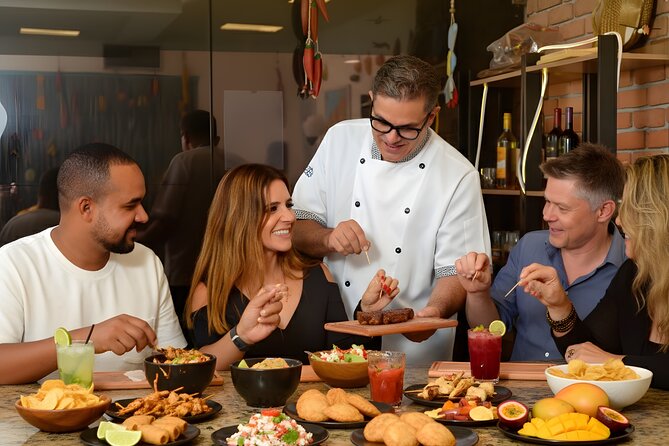
The host encourages participation, but you should understand what that means. You will be involved in tasting, discussing, asking questions, and sharing the experience with the group. You will not necessarily chop, mix, or prepare a Chilean dish from start to finish.
One account describes the activity as taking place in the host’s kitchen and lasting five hours, while the current details describe an experience of about three hours. The safest approach is to treat three hours as the expected length and keep some flexibility afterward. If the kitchen setting or conversation runs longer, you will not want a museum reservation beginning immediately afterward.
The distinction between tasting and cooking matters when you choose this experience. If you want a practical cooking lesson, this may leave you wanting more. If you want to eat widely, ask questions, and avoid spending a full afternoon preparing one recipe, the format makes good sense.
Greg is specifically named as a host, and the available comments praise his balance of food, drink, and explanation. That is important. A tasting can become tiring if the host lectures too much, or confusing if there is no explanation at all. The useful middle ground is a host who gives enough information to make each bite meaningful, then lets you enjoy it.
Why the group size changes the experience
The maximum group is eight people. That is small enough for direct conversation and large enough to create a social meal rather than a private lesson.
With a group this size, you can ask about ingredients, compare reactions, and hear questions you might not think of yourself. It also gives solo visitors a natural way to meet other food enthusiasts without committing to a large bus tour.
The relaxed pace is another strength. You are not expected to hurry between stops, and there is time for candid photos and conversation. The downside is that the experience may feel less active than a market walk or neighborhood food crawl. You stay in one local setting, so the food rather than the city streets supplies the movement.
For many people, that is a fair trade. Santiago can be tiring after a full day of sightseeing, and a seated food session offers a gentler way to learn about the city. The noon start also makes it easy to use the activity as lunch.
Price, value, and what you actually receive
At $75 per person, this is not the cheapest way to grab lunch in Santiago. You are paying for 33 tastes, included meals, alcoholic beverages, bottled water, an English-speaking host, and the interpretation that ties the menu together.
The value improves if you would otherwise book several separate meals to sample Chilean food. A restaurant might give you an excellent empanada or pisco sour, but it is unlikely to explain 33 items in a small-group setting. Here, the food range is the main purchase.
The price is less compelling if you prefer large portions, restaurant service, or a hands-on class. You should think of the experience as a guided cultural tasting rather than a standard meal. The small servings are designed to give you breadth, not a single filling entrée.
The included alcohol adds value for adults who want the full menu. If you do not drink, the provider can make virgin versions of the drinks, and children can have tropical fruit juices and local soda. That makes the session more flexible for families and mixed-age groups.
A five-star money-back guarantee is mentioned as part of the experience. I would treat that as a booking reassurance, not a reason to overlook the practical details. The real question is whether you want a broad, social introduction to Chilean food.
Timing, meeting point, and useful planning notes
The activity starts at 12:00 pm in Santiago and finishes back at the meeting point. Transportation to and from the meeting point is not included, so you need to arrange your own way there and back.
The location is near public transportation, which should make the start easier to reach, but the exact address is not provided in the available details. Check the confirmed meeting information before setting out, especially if you are staying outside central Santiago.
Mobile tickets are accepted, and confirmation is normally sent at booking. If you book within one day of the start, confirmation arrives as soon as possible and depends on availability. The activity also requires a minimum number of participants, so a cancellation for that reason may result in another date or a full refund.
Free cancellation is available up to 24 hours before the start time. After that point, the amount paid is not refunded, and last-minute changes are not accepted. I would avoid booking it on the same day as a flight, long-distance bus, or timed attraction.
Food allergies and intolerances can be accommodated if you give advance notice. Service animals are allowed, and most people can participate. These details make the experience easier to consider, but you should still contact the provider early with precise dietary information.
Who should book this Chilean food tasting
I would recommend it most strongly to first-time visitors who want a quick but broad introduction to Chilean food. It is also useful if you have eaten in Santiago restaurants but still cannot tell how dishes fit into ordinary life.
The session suits curious eaters, solo visitors, couples, and small groups who enjoy conversation. People who do not drink can still join, thanks to the virgin drink options, juices, and local soda.
It may not suit you if you want a market tour, a moving itinerary, a private meal, or a full cooking lesson. It is also not ideal for anyone who dislikes small portions or prefers to choose every dish independently.
The best strategy is to arrive ready to try unfamiliar flavors and ask direct questions. You do not need cooking skills. You do need an appetite and a willingness to eat several small portions over a relaxed stretch of time.
Should you book it?
Book this session if you want the food vocabulary and cultural background to make sense of Chilean menus. The combination of pisco sour, sopaipillas, cazuela, choripán, pebre, marraqueta, empanadas de pino, quesillo, membrillo, and mote con huesillo gives you a useful sweep of savory and sweet tastes.
I especially like the small group, the English presentation, and the attention to everyday food rather than showy restaurant dishes. Just confirm the meeting details, allow more than three hours if your schedule is close, and remember that this is a tasting session rather than a cooking workshop. At $75, it is a fair choice for breadth, context, and included drinks, but less so if you are simply looking for a cheap lunch.
FAQ
How long does the tasting session last?
The advertised duration is approximately three hours. One available description refers to a five-hour session, so it is sensible to allow extra time in case the format runs longer.
What time does the activity start?
The session starts at 12:00 pm.
Where does the experience begin and end?
It begins in Santiago, in the Santiago Metropolitan Region, and ends back at the meeting point.
How many people can join?
The maximum group size is eight participants.
Are food allergies and intolerances accommodated?
Yes. You should provide information about allergies or intolerances in advance so arrangements can be made.
Can someone under 18 or someone who does not drink alcohol participate?
Yes. Alcoholic drinks can be prepared in virgin versions. Children can have tropical fruit juices and local soda.
Is transportation included?
No. You are responsible for getting to and from the meeting point. The location is near public transportation.
Just added in Santiago
- Walking City Tour with Funicular, Cable Car and Tasting★ 4.3 · 6 reviews
- VIÑA DEL MAR AND VALPARAISO TOUR★ 4.8 · 20 reviews
- Tour VIÑA CONCHA Y TORO + CASA MARQUES – Chile, from Santiago.★ 5.0 · 2 reviews
- Undurraga + Isla Negra + San Afonso del Mar —– Full day★ 4.1 · 8 reviews
- Undurraga Wine tour★ 4.2 · 15 reviews
- Southcoast – Private Full-Day tour★ 5.0 · 6 reviews
- Santiago Private walking tour with Lunch★ 5.0 · 5 reviews
- Zapallar : nature, sea and local flavours★ 5.0 · 6 reviews
3-Hour Experiences, compared.

Torres del Paine: 3-Hour Scenic Boat Tour to Grey Glacier
Read our review →


Browse the lists this tour appears in