
REVIEW · CHILEAN WINE TOURS
Traditional Undurraga tour
Chile’s wine story begins close to Santiago. The Traditional Undurraga tour gives you a half-day look at one of the country’s older vineyards, founded by the Undurraga family about 130 years ago. You’ll walk through gardens filled with plants from around the world, see grape varieties and leaves, tour the production areas and cellars, then taste four wines.
I like the small group limit of 15 people, which should make the visit easier to follow than a large coach outing. I also like that the tour covers more than a tasting: the gardens, winery, and basements give you a clearer picture of how the wine is made. The main drawback is practical: wine cellar availability can be tight, especially during high season, so date changes may sometimes be necessary.
In This Review
- Key Points to Know Before You Go
- Why Undurraga Makes a Good Santiago Side Trip
- Starting Near Cerro San Cristobal
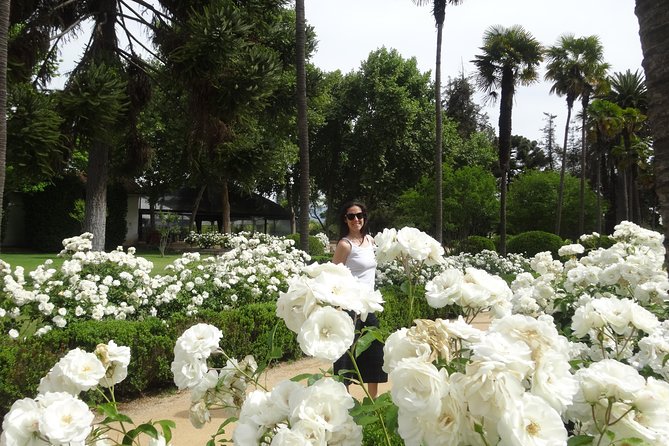
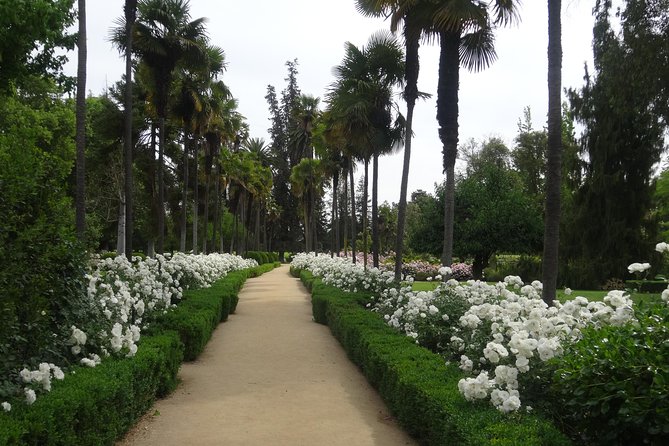
- The Garden: A Gentle Introduction to the Vineyard
- Production Areas and Basements at Viña Undurraga
- The Four-Wine Tasting
- What the Five-Hour Schedule Really Means
- Is $120 a Fair Price?
- Booking Advice and Date Flexibility
- Who Will Enjoy This Undurraga Visit Most?
- Should You Book the Traditional Undurraga Tour?
- FAQ
- Where does the Traditional Undurraga tour begin?
- Where does the tour end?
- How long does the tour last?
- What is included in the price?
- Is lunch included?
- How many people can join the tour?
- What happens if bad weather cancels the tour?
Key Points to Know Before You Go
- Four wines are included, giving you a proper introduction rather than a single sample.
- The vineyard visit lasts about five hours, including transportation from Santiago and the return to the meeting point.
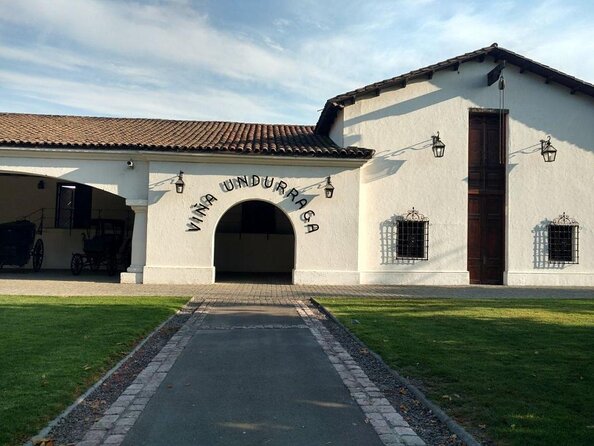
- Undurraga was founded about 130 years ago, making the visit part of Chile’s long wine tradition.
- The tour begins near Cerro San Cristobal, at the funicular access on Pío Nono.
- Gardens are part of the experience, with plants from different parts of the world and grape varieties to examine.
- Lunch is not included, so plan your meal before or after the tour.
Why Undurraga Makes a Good Santiago Side Trip
Santiago is an easy base for exploring Chile’s wine country, but you do not need to commit to a full-day excursion to get a taste of it. This experience lasts about five hours, which fits neatly into a morning or afternoon while leaving time for other city plans.
Undurraga offers a useful mix of scenery, history, and wine. You are not simply taken to a tasting room, handed a glass, and sent away. The visit starts outdoors, moves into the working parts of the vineyard, and ends with four wines. That order matters because you see the setting and production process before tasting the result.
The vineyard’s age adds context. Founded by the Undurraga family around 130 years ago, it represents a long-running part of Chilean wine production. That does not mean the tour will cover every chapter of Chilean wine history, but it gives the visit a sense of place that a modern tasting bar in Santiago cannot provide.
I would choose this tour if you want a straightforward introduction to Chilean wine without arranging your own transport. It also works well if you prefer a planned visit with a modest group rather than an open-ended winery stop.
More Wine Tours in Santiago:
- Valparaiso Port and Viña del Mar with Casablanca Wine Tasting
★ 5.0 · 6,110 reviews - Santiago: Vina Del Mar, Valparaiso, Casablanca & Reñaca Tour
★ 4.2 · 2,838 reviews - Tour to Valparaíso, Viña del Mar, Pablo Neruda Museum and Vineyard
★ 5.0 · 2,273 reviews
Starting Near Cerro San Cristobal
The meeting point is at the funicular access to Cerro San Cristobal, at Pío Nono 450 in Providencia. This is a practical central location for an organized tour, though you should give yourself enough time to find the exact pickup spot.
From there, the tour uses an air-conditioned vehicle to reach Viña Undurraga. The supplied information does not give a precise driving time, so the five-hour estimate should be treated as the full activity window rather than five hours spent walking through the vineyard.
The air conditioning is a small but useful inclusion. Winery visits include outdoor portions, and Santiago can be warm. A comfortable vehicle also matters when you are fitting the excursion between other plans in the city.
The activity returns to the original meeting point. That makes the day easier to plan, especially if you have arranged an evening meal or another Santiago attraction afterward. Still, I would avoid scheduling anything with a strict start time immediately after the tour. Vineyard visits can take longer than expected when groups move between gardens, production areas, cellars, and tasting spaces.
The Garden: A Gentle Introduction to the Vineyard
The first part of the visit takes you through a garden with plants from different parts of the world. This is more than decoration. It gives you a calm opening before the technical wine portion begins and helps show how the vineyard presents its grounds to visitors.
You will also see a garden containing different grape varieties and leaves. That is a useful touch for anyone who knows little about vines. Grape leaves can look surprisingly different, and seeing them in person gives you something concrete to remember when the tour turns to production.
Do not expect a botanical expedition. The garden is one portion of a broader vineyard visit, not the main subject. Its value is that it slows the pace and connects the wine in your glass with the plants that produce it.
I especially like this part for first-time wine visitors. If you already spend weekends studying grape varieties, the garden may feel brief. If your wine knowledge is limited, it gives you an easy visual introduction without requiring technical vocabulary.
The outdoor setting also adds variety. You are not spending the entire five-hour experience inside a vehicle or tasting room. You get a change of pace before moving into the winery and basements.
Production Areas and Basements at Viña Undurraga
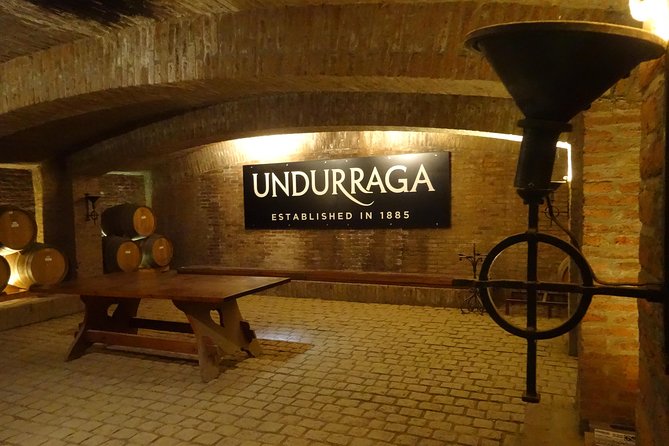
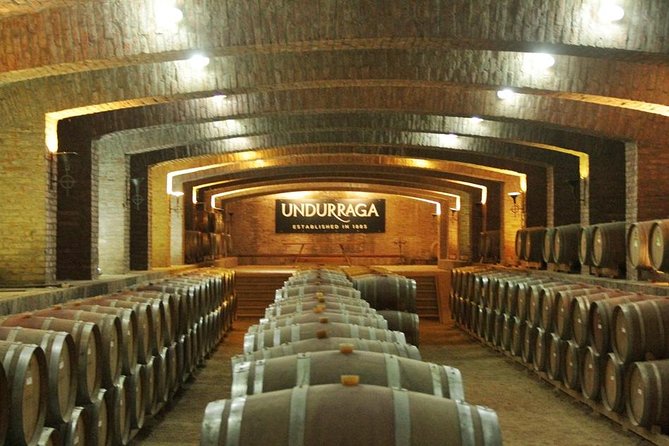
After the garden, the tour moves into the wine production process. You will visit the wineries and basements, which shifts the experience from pleasant grounds to the practical work behind the bottle.
This is where the tour earns its place over a simple tasting. You can better understand wine when you see the spaces used for production and storage. The supplied details do not specify the exact equipment, cellar layout, or length of each stop, so you should not expect a detailed technical workshop. The focus is a general tour of the production areas and basements.
Still, the sequence is sensible. First you see the vineyard setting and grape leaves. Then you follow the wine into the areas where it is produced and stored. Finally, you taste four wines. Each part gives meaning to the next.
The basements may be one of the more atmospheric parts of the tour, but I would keep expectations measured. No exact cellar features are promised, and the experience may depend on which areas are open on your chosen date. The important point is that you get access to parts of the winery beyond the public tasting space.
For visitors who enjoy seeing how food and drink are made, this production visit may be the most valuable portion. It turns a wine tasting into a working vineyard visit, even if the available technical detail varies.
More things to do in Santiago:
- Santiago: Cajon del Maipo/Embalse del Yeso Tour with Picnic
★ 4.3 · 3,789 reviews - Cable Car, Funicular and Sightseeing Bus in Santiago one day
★ 5.0 · 2,325 reviews - Small-Group Cajón del Maipo Full-Day Tour and Picnic
★ 4.5 · 2,277 reviews - Maipo Valley Wine Tour with 4 vineyards from Santiago.
★ 5.0 · 1,983 reviews
The Four-Wine Tasting
Four alcoholic beverages are included in the tour. That is enough to give you a broader sample of Undurraga’s wines without turning the afternoon into a marathon tasting.
I like the number because one wine tells you very little. Four pours allow you to notice differences between bottles and think about which styles you prefer. The information provided does not name the wines, grape varieties, vintages, or tasting format, so you should not book this expecting a fixed, advanced wine class.
Treat the tasting as an introduction. You can listen to the guide, try each wine, and decide what appeals to you. If you are new to wine, four samples provide variety without overwhelming the main sightseeing portion. If you already know Chilean wine well, you may find the tasting less specialized than a dedicated connoisseur’s session.
Because alcohol is included, plan your pace sensibly. The vehicle returns you to the meeting point, but you should still approach the tasting as part of a structured tour rather than a free-drinking event.
Lunch is not included. The tasting is not a meal, so eat before the activity or plan food afterward. This is particularly important if you book the tour around midday.
What the Five-Hour Schedule Really Means
Five hours sounds generous, but the time includes transportation, the garden, the winery, the basements, and the tasting. You should think of it as a half-day outing, not five full hours at each part of the vineyard.
The schedule is likely to feel comfortable for most people because it combines walking, riding, listening, and tasting. A shorter visit might rush the production areas. A much longer one could feel repetitive unless you have a strong interest in wine.
The maximum group size is 15. That is not a private tour, but it is small enough to make movement between stops more manageable. It should also be easier to hear explanations than in a much larger group. No guide names or specific languages are provided, so check those details before booking if they matter to you.
Most people can participate, according to the available information. The tour includes garden paths and winery areas, but specific accessibility details are not provided. If you have mobility needs, ask the provider about surfaces, stairs, and access to the basements before you reserve.
Weather can affect the experience because part of it takes place outdoors. If poor weather forces a cancellation, you are offered another date or a full refund. That policy is useful, but it also means you should leave some flexibility in your Santiago schedule.
Is $120 a Fair Price?
At $120 per person, this is not the cheapest way to taste Chilean wine. The value depends on what you want included.
You are paying for a five-hour organized excursion, transportation in an air-conditioned vehicle, entry to the vineyard, the guided visit through the gardens and production areas, and four wines. For someone who does not want to arrange transport or research a vineyard independently, that package can be reasonable.
The price is harder to justify if your main goal is only to drink wine. Since lunch is not included and the specific wines are not listed, serious wine buyers may prefer a more specialized tasting with detailed bottle information.
I see the strongest value in the complete outing. You get a historic vineyard, gardens, production spaces, cellars, and a tasting in one half-day. The tour is aimed more at understanding the place than at buying access to a large number of pours.
Group size helps the value too. A maximum of 15 people gives the experience a more personal feel than a big bus tour, while keeping the cost below what a private vehicle and private guide might require.
Booking Advice and Date Flexibility
Confirm your date carefully. One reported service problem involved a winery date that was not available, followed by a change of date and a completed tour later in the same month. The provider explained that vineyard availability can be more restricted during high season because guide capacity and daily places are limited.
That situation offers a useful lesson: do not assume that every requested date is equally available. If your schedule allows, keep a backup day in mind. This is especially important if you are visiting Santiago for only a short time.
Free cancellation is available if you cancel at least 24 hours before the start time. Cancellations or changes made inside that period are not refunded or accepted. If the minimum number of people is not reached, you are offered a different date or experience, or a full refund.
Those rules are fairly clear, but they reward advance planning. I would book once your Santiago schedule is firm, then keep the confirmation details handy.
Who Will Enjoy This Undurraga Visit Most?
This tour suits you if you want a first look at Chilean wine and prefer an organized half-day trip. It is also a good match for couples, small groups, and curious visitors who enjoy seeing gardens and working spaces before sitting down to taste.
You will probably appreciate it if you want transportation included and do not want to navigate to a vineyard on your own. The air-conditioned vehicle and return to the original meeting point remove some of the day’s practical work.
The tour may be less suitable if you want a private experience, a long technical seminar, or a meal paired with the wines. The available details do not promise any of those things.
It is also worth considering your interest in wine itself. If four samples and a general production tour sound appealing, the format should fit. If you would rather spend hours comparing vintages or discussing winemaking in detail, look for a more specialized option.
Should You Book the Traditional Undurraga Tour?
Book it if you want a balanced introduction to one of Santiago’s historic vineyards. The garden, grape varieties, production areas, basements, and four-wine tasting create a fuller experience than a tasting alone.
At $120, the tour makes the most sense when you value included transport, vineyard entry, and a five-hour schedule. It is less compelling if you are focused only on the wine or need a guaranteed date during a busy season.
My practical advice is simple: reserve with at least one flexible date in mind, eat before or after because lunch is not included, and allow extra time around the five-hour window. For a first vineyard visit from Santiago, Undurraga offers a clear and manageable introduction to Chile’s wine tradition.
FAQ
Where does the Traditional Undurraga tour begin?
The tour begins at the funicular access to Cerro San Cristobal, at Pío Nono 450, 7520291 Providencia, Santiago, Chile.
Where does the tour end?
The activity ends back at the original meeting point near the Cerro San Cristobal funicular access.
How long does the tour last?
The tour lasts approximately five hours, including the vineyard visit and transportation.
What is included in the price?
The price includes admission to the vineyard, an air-conditioned vehicle, and a tasting of four alcoholic beverages.
Is lunch included?
No. Lunch is not included in the tour price.
How many people can join the tour?
The activity accepts a maximum of 15 people.
What happens if bad weather cancels the tour?
If poor weather causes a cancellation, you are offered a different date or a full refund.
Just added in Santiago
- Walking City Tour with Funicular, Cable Car and Tasting★ 4.3 · 6 reviews
- VIÑA DEL MAR AND VALPARAISO TOUR★ 4.8 · 20 reviews
- Tour VIÑA CONCHA Y TORO + CASA MARQUES – Chile, from Santiago.★ 5.0 · 2 reviews
- Undurraga + Isla Negra + San Afonso del Mar —– Full day★ 4.1 · 8 reviews
- Undurraga Wine tour★ 4.2 · 15 reviews
- Southcoast – Private Full-Day tour★ 5.0 · 6 reviews
- Santiago Private walking tour with Lunch★ 5.0 · 5 reviews
- Zapallar : nature, sea and local flavours★ 5.0 · 6 reviews
Chilean Wine Tours, compared.
Valparaiso Port and Viña del Mar with Casablanca Wine Tasting
Read our review →
Vina Del Mar, Valparaiso, Casablanca & Reñaca Tour
Read our review →
Tour to Valparaíso, Viña del Mar, Pablo Neruda Museum and Vineyard
Read our review →
Maipo Valley Wine Tour with 4 vineyards from Santiago.
Read our review →
Inca Lagoon in Andes Mountain Range – Visit Local Vineyard with Tasting included
Read our review →
Valparaiso -Casablanca -Reñaca-Oceanic Rock-Concon
Read our review →
Valparaiso, Viña del Mar, & Casablanca Valley Tour
Read our review →
Marquis de Casa Concha: Wine tasting in Concha y Toro
Read our review →Browse the lists this tour appears in