
REVIEW · SANTIAGO TOURS
Tourist bus around Santiago for a day
Santiago reveals itself quickly from above. This red double-decker bus gives you a useful first look at the city, linking central squares, San Cristobal Hill, Bellavista, Providencia, and Las Condes without forcing you into a fixed sightseeing plan. I like the freedom to get on and off and the helpful staff, including assistants praised for supporting visitors with limited Spanish. The main concern is unreliable stop signage and bus timing, which can turn a simple outing into a long wait.
At $50 per person, the ticket makes the most sense if you use it as both transportation and a city orientation. The full loop takes about two hours, but traffic, long gaps between buses, and early route departures have caused problems. Plan carefully, especially if you want to make several stops before the 6pm finish.
In This Review
- Key points before you board
- Why this bus is useful on a first day in Santiago
- Stop 1: Parque Arauco for shopping and a gentle start
- Stop 2: Bicentennial Park and Santiago’s open space
- Stop 3: The cable car and the best city view
- Stop 4: Bellavista and the historic funicular
- Stop 5: Plaza de Armas, Santiago’s historic center
- Stop 6: La Moneda and Chile’s republican center
- Stop 7: Santa Lucia and Barrio Lastarria
- Stop 8: Plaza de la Aviación and Providencia
- Stop 9: Costanera Center and Sky Costanera
- Stop 10: El Golf and the interactive museum
- Audio, upper-deck views, and onboard service
- Timing problems and how to protect your day
- Is $50 a fair price?
- Who should choose this Santiago bus?
- Should you book it?
- FAQ
- How long does the Santiago hop-on hop-off bus tour last?
- How often do the buses depart?
- How many stops does the route have?
- What is included in the ticket?
- Are attraction tickets included?
- Can I get off and reboard more than once?
- Is audio commentary provided?
- Is the bus air-conditioned?
- Where does the bus stop in Santiago?
- Can I cancel for a full refund?
Key points before you board
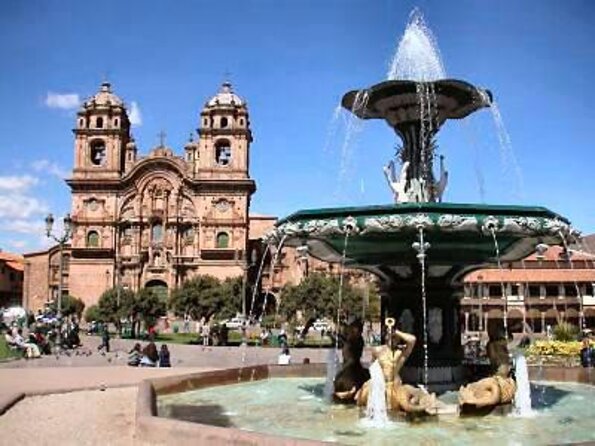
- San Cristobal Hill is the star stop: The cable car and funicular give you Santiago’s finest city views, with the Andes often forming the backdrop.
- You can set your own pace: Ride the full loop or hop off at Plaza de Armas, Santa Lucia, Bellavista, Parque Arauco, and other major areas.
- The route covers a wide slice of Santiago: You move from historic central streets to modern Providencia and Las Condes.
- Buses are scheduled every 30 minutes: In practice, waits can be longer, so keep extra time in your plan.
- Audio commentary is useful but uneven: Some buses offer clear narration in several languages, while faulty headphone jacks and static have affected the experience.
- Stop locations need checking: Several pickup points are hard to identify, and some addresses have confused passengers.
Why this bus is useful on a first day in Santiago

Santiago is spread across several distinct districts. The historic center sits well away from the modern office towers of Las Condes, while Bellavista and San Cristobal Hill occupy another part of town. Walking between all of these areas in one day would be tiring and inefficient.
The hop-on hop-off format solves that problem neatly. You can ride the circuit once to understand the city, then choose two or three places for a closer look. I especially like using this kind of bus early in a stay. It helps you decide where to return on foot, where to eat, and which sights deserve your limited time.
The service runs from about 9:30am to 6pm. A full circuit is advertised at roughly two hours, with buses scheduled every 30 minutes. That sounds generous, but Santiago traffic matters. Several passengers have waited 45 minutes or an hour, and one account described buses leaving the route before the stated end of service.
For that reason, I would not treat the bus as a clockwork transport system. Use it as a sightseeing ride with transport benefits, not as your only way to reach an airport connection, timed museum entry, or dinner reservation.
More things to do in Santiago:
- Valparaiso Port and Viña del Mar with Casablanca Wine Tasting
★ 5.0 · 6,110 reviews - Santiago: Cajon del Maipo/Embalse del Yeso Tour with Picnic
★ 4.3 · 3,789 reviews - Santiago: Vina Del Mar, Valparaiso, Casablanca & Reñaca Tour
★ 4.2 · 2,838 reviews
Stop 1: Parque Arauco for shopping and a gentle start
The route begins at Mall Parque Arauco on Avenida Presidente Kennedy. This is one of Chile’s major shopping centers, with international stores and an outdoor dining boulevard.
If you need shopping, a meal, or a cool indoor break, this is a practical stop. If you are visiting Santiago for architecture, museums, and neighborhoods, it may not be your first priority. You might choose to stay on the bus here and save your time for the central districts.
The stop also shows how wide the route is. Parque Arauco is far from Plaza de Armas, so the bus can spare you a long cross-city trip.
Stop 2: Bicentennial Park and Santiago’s open space
At Isabel Montt and Avenida Bicentenario, you reach Bicentennial Park, a 27-hectare green area with lagoons. Swans, flamingos, and herons live around the water, making this a pleasant change from Santiago’s traffic and tall buildings.
This is a good place to get off if you want a walk, a quiet rest, or broad photographs of the city. The park works best during daylight and in good weather. Since the tour itself depends on suitable weather, check conditions before setting out.
The main drawback is time. A park walk can easily stretch beyond the next 30-minute bus interval, and the actual wait may be longer. If you stop here, keep an eye on the app if you have access to it.
Stop 3: The cable car and the best city view
At Los Conquistadores and Pedro de Valdivia Norte, the Santiago Cable Car is about a five-minute walk from the bus stop. The ride takes you up San Cristobal Hill, where you can see Santiago from a 360-degree viewpoint.
This is the most important stop on the circuit for many people. The height gives you a clear sense of Santiago’s size and location, with the Andes forming a dramatic edge beyond the city. One passenger called the view from San Cristobal Hill the highlight of the day, and I can understand why.
Allow more than the advertised bus loop if you plan to use the cable car. The ticket for the bus does not include other tickets, so cable car, funicular, museum, and attraction costs are separate unless specifically purchased elsewhere. The stop description notes that a ticket to climb San Cristobal Hill is included in the cable car experience, but the general tour inclusion is only the unlimited bus ticket. Check exactly what you are buying before paying for an add-on.
A completely different kind of day out:
- Cable Car, Funicular and Sightseeing Bus in Santiago one day
★ 5.0 · 2,325 reviews - Small-Group Cajón del Maipo Full-Day Tour and Picnic
★ 4.5 · 2,277 reviews - Tour to Valparaíso, Viña del Mar, Pablo Neruda Museum and Vineyard
★ 5.0 · 2,273 reviews - Maipo Valley Wine Tour with 4 vineyards from Santiago.
★ 5.0 · 1,983 reviews
Stop 4: Bellavista and the historic funicular
The Pío Nono stop places you near the Santiago Funicular. This historic railway connects Bellavista with the top of San Cristobal Hill, and its Gothic entrance is part of the appeal.
Bellavista is one of the city’s more artistic districts, with cafes, restaurants, and colorful streets. It is also a useful base for reaching the hill from another direction. You can combine the funicular with the cable car for a fuller San Cristobal outing, but that will take a substantial part of your day.
The funicular is not included in the basic bus ticket. Also note that the bus stop and the attraction are close, but the bus cannot remove the need for walking, waiting, or buying separate admission.
Stop 5: Plaza de Armas, Santiago’s historic center

Plaza de Armas is the city’s central gathering place and one of the best stops for a first walk. The Metropolitan Cathedral and Central Mail surround the square, giving you an immediate introduction to Santiago’s older civic core.
This is where I would spend time on foot rather than simply viewing the area from the upper deck. The square connects naturally with other central sights, including Mercado Central and nearby historic streets. The audio commentary can help you choose what to see next, but the square itself is easy to explore at your own pace.
Pickup details are especially important here. The plaza is large, and the exact boarding point may not be obvious. Some people have searched on the wrong side of a major street or waited without a visible sign. Before getting off, ask the onboard staff where the return stop is located and take a screenshot of the map or app location.
Stop 6: La Moneda and Chile’s republican center
The stop at Teatinos 254 serves Palacio de La Moneda, the seat of Chile’s government. The building gives you a look at the country’s institutional side, in contrast to the markets, parks, and entertainment districts elsewhere on the route.
This is a worthwhile stop if you care about Chilean politics and public life. It is also close to central streets that can be combined with Plaza de Armas and Paseo Bulnes.
There is a practical warning here: one passenger reported that the bus did not stop at La Moneda and gave no clear announcement. Routes can change, and the detailed stop list does not always match what happens on the street. Confirm with staff before relying on this stop.
Stop 7: Santa Lucia and Barrio Lastarria
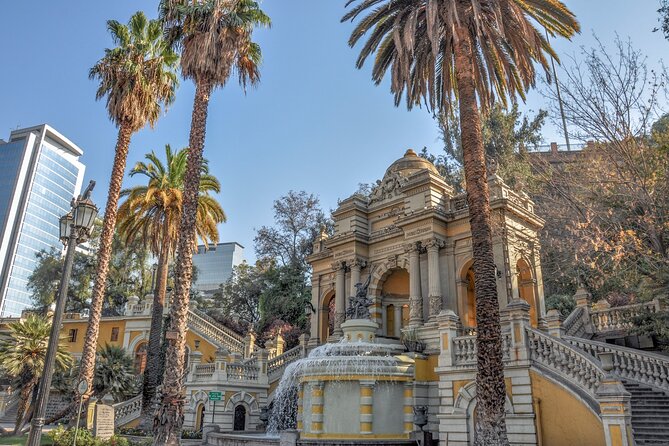
The Alameda stop near Cerro Santa Lucia is one of the most rewarding places to leave the bus. Santa Lucia is an urban hill with terraces, fountains, and viewpoints connected to Santiago’s early foundation.
You get a traditional city view without going as high as San Cristobal Hill. The nearby Barrio Lastarria adds cafes, restaurants, and cultural venues, so this stop works well for a long lunch or afternoon wander.
The contrast is part of the appeal. You can climb the hill, sit near the fountains, then walk into Lastarria for food. Just remember that a short stop can become a longer one, and the next bus may not arrive exactly 30 minutes later.
Stop 8: Plaza de la Aviación and Providencia
Plaza de la Aviación, at Avenida Providencia 969, is known for its large fountain and green areas beside the Mapocho River. It is a good place to experience Providencia, with cafes and bars close by.
This stop is less about one major monument and more about seeing how Santiago lives today. The river corridor, modern streets, and restaurant areas create a different mood from the central plaza and government district.
If you are short on time, you may prefer to remain on the bus here. If you want a relaxed meal or a walk beside the river, get off and accept that you may need patience for the next pickup.
Stop 9: Costanera Center and Sky Costanera
At Avenida Vitacura 2653, the bus stops near Mall Costanera Center, described as the largest mall in South America. The complex also includes Sky Costanera, in the region’s tallest tower, with 360-degree views over Santiago.
This is the route’s clearest modern-city stop. The tower is the attraction, while the mall offers food and shopping if you need a break. Sky Costanera requires a separate ticket, so the bus ticket only gets you to the area.
The view here makes a strong contrast with Santa Lucia and San Cristobal. Instead of looking up at the city from a hill, you look down from a modern tower. Check opening details and admission before committing valuable tour time.
Stop 10: El Golf and the interactive museum
The Isidora Goyenechea stop takes you into the elegant El Golf area, surrounded by modern buildings, cafes, and restaurants. The Las Condes Interactive Museum offers audiovisual displays and hands-on activities suited to families.
This is a useful stop if you want a quieter, polished district or an indoor activity. It also gives you another look at Santiago’s economic and modern side.
The museum is not included in the bus ticket. Since the route already reaches several major sights, I would choose this stop only if the museum interests you or you want time in El Golf.
Audio, upper-deck views, and onboard service
The upper deck gives you the best view of buildings, parks, and hills. On a clear day, it is the place to sit for the first circuit. Branches can brush the top deck on parts of the route, adding a bit of unexpected excitement, but the lower deck is more comfortable in hot weather.
The lower deck is air-conditioned. That matters in Santiago’s summer heat, especially if you plan to get on and off several times. The bus is also a useful refuge when you need to rest your feet.
Audio commentary is supplied through headphones and is available in several languages. At its best, the narration is clear and gives useful background as you pass major sights. At its worst, headphone jacks produce static, the audio system fails, or the commentary does not clearly identify the building you are passing.
Bring your own wired headphones if you have them, since the system uses plug-in connections. Test the socket before settling into your seat. If the narration is not working, ask an assistant rather than assuming the whole bus is silent.
Staff are one of the strongest parts of the experience. Miguel, Helen, drivers, and onboard assistants have been praised for being friendly, multilingual, and helpful. That personal help is valuable when stop locations or ticket scans are unclear.
Timing problems and how to protect your day
The biggest weakness is not the idea of the tour. It is the gap between the published schedule and what can happen on the street.
Buses are supposed to leave each stop every 30 minutes, yet waits of 45 minutes or longer have occurred. Some buses have reportedly left the route early, including before the advertised 6pm finish. Traffic also slows the circuit, especially on a busy Friday afternoon.
Use the Turistik app if available. It can show bus positions in real time, and one passenger used it to document buses abandoning the route. Still, live tracking does not guarantee that a bus will stop or complete the full circuit.
I suggest these precautions:
- Start early, close to 9:30am.
- Photograph the stop map and exact pickup point.
- Ask staff where to reboard before leaving the bus.
- Do not schedule a flight, train, or fixed reservation immediately afterward.
- Choose two or three main stops instead of trying to see everything.
- Carry water and allow for sun exposure while waiting.
Some stops have little or no clear street signage. Addresses in booking material have also caused confusion, with people sent several blocks away or across a busy road. If you cannot find the bus, ask a nearby security guard or shopkeeper, but confirm directions with more than one person.
Is $50 a fair price?
At $50, this is not a cheap way to move around Santiago. Public transportation or taxis may cost less for individual trips, and some people have found it cheaper to buy directly from an agent or onboard.
The value comes from the combination of transport, city orientation, upper-deck views, and audio commentary. If you ride the entire loop and get off at San Cristobal Hill, Santa Lucia, Plaza de Armas, or Costanera Center, the price becomes easier to justify. If you spend most of the day waiting for buses or receive little usable narration, it feels expensive.
I would not book it only as a bargain transportation pass. I would book it for convenience and a broad first look at Santiago, while accepting that the service may not run with Swiss timing.
The experience receives a 4.6 rating from 1,857 ratings, with 90 percent recommending it. That points to a generally successful outing, but the sharp complaints about missing buses, poor signs, audio faults, and cancellation handling are important. Free cancellation is available until 24 hours before the start time. Cancellations inside that window are not refunded, and bad weather may lead to a new date or full refund.
Who should choose this Santiago bus?
I think this tour suits you if:
- You are visiting Santiago for the first time.
- You want a broad overview before choosing where to return.
- You prefer not to plan a fixed guided route.
- You want easy access to San Cristobal Hill and the city center.
- You are comfortable with flexible timing.
- You need a lower-deck, air-conditioned place to rest between walks.
It is less suitable if you need exact departure times, clear stop signs, or a tightly packed sightseeing schedule. It may also disappoint you if you expect a live guide to explain every building. The audio system supplies commentary, but the amount and quality can vary by bus.
Should you book it?
Book this bus if you want a relaxed introduction to Santiago and will use it early in your stay. Make San Cristobal Hill your main goal, then choose one central stop and one modern-district stop. That approach gives you the best value without spending the whole day circling in traffic.
Skip it if your schedule is tight or if you already know Santiago well. In that case, direct transport to the few sights you want may cost less and waste less time. For a first look, though, the red double-decker offers a useful city map in motion, provided you bring patience, confirm every stop, and leave room for delays.
FAQ
How long does the Santiago hop-on hop-off bus tour last?
The full city loop takes about two hours. You can use the unlimited ticket during the service period, approximately 9:30am to 6pm.
How often do the buses depart?
Buses are scheduled to leave each stop every 30 minutes. Actual waits can be longer because of traffic, route changes, or service delays.
How many stops does the route have?
The overview describes 12 stops, while the detailed stop information lists 10 stops. Check the current route map or app before boarding because stop details may change.
What is included in the ticket?
The ticket includes unlimited hop-on hop-off bus rides for one day.
Are attraction tickets included?
No. Tickets for attractions and other activities are not included in the basic bus fare. This includes places such as the cable car, funicular, museums, and Sky Costanera unless you separately purchase an applicable ticket.
Can I get off and reboard more than once?
Yes. You can get on and off as many times as you like during the ticket’s operating period.
Is audio commentary provided?
Yes. The bus offers audio commentary through headphones, with several language options. Some buses or headphone sockets may have static or technical problems.
Is the bus air-conditioned?
The lower deck is air-conditioned. The upper deck offers better views but is more exposed to sun and passing branches.
Where does the bus stop in Santiago?
Stops include Parque Arauco, Bicentennial Park, Santiago Cable Car, the Funicular, Plaza de Armas, La Moneda, Santa Lucia, Plaza de la Aviación, Costanera Center, and Isidora Goyenechea. Exact pickup points can be difficult to identify, so confirm them before getting off.
Can I cancel for a full refund?
You can cancel at least 24 hours before the experience start time for a full refund. Cancellations or changes made less than 24 hours beforehand are not refunded. If poor weather cancels the experience, you can be offered another date or a full refund.
Just added in Santiago
- Walking City Tour with Funicular, Cable Car and Tasting★ 4.3 · 6 reviews
- VIÑA DEL MAR AND VALPARAISO TOUR★ 4.8 · 20 reviews
- Tour VIÑA CONCHA Y TORO + CASA MARQUES – Chile, from Santiago.★ 5.0 · 2 reviews
- Undurraga + Isla Negra + San Afonso del Mar —– Full day★ 4.1 · 8 reviews
- Undurraga Wine tour★ 4.2 · 15 reviews
- Southcoast – Private Full-Day tour★ 5.0 · 6 reviews
- Santiago Private walking tour with Lunch★ 5.0 · 5 reviews
- Zapallar : nature, sea and local flavours★ 5.0 · 6 reviews
Santiago Tours, compared.

Valparaiso Port and Viña del Mar with Casablanca Wine Tasting
Read our review →
Cajon del Maipo/Embalse del Yeso Tour with Picnic
Read our review →
Vina Del Mar, Valparaiso, Casablanca & Reñaca Tour
Read our review →
Cable Car, Funicular and Sightseeing Bus in Santiago one day
Read our review →
Small-Group Cajón del Maipo Full-Day Tour and Picnic
Read our review →
Tour to Valparaíso, Viña del Mar, Pablo Neruda Museum and Vineyard
Read our review →
Maipo Valley Wine Tour with 4 vineyards from Santiago.
Read our review →