
REVIEW · CITY TOURS
Santiago de Chile: Half-Day City Tour with Local Cuisine
See Santiago from hilltop to high-rise. This five-hour tour gives you a useful first look at Chile’s capital, moving from the presidential palace and colonial-era plaza to art, parks, food, and the sleek business districts of Las Condes and Vitacura. I especially like the mix of historic Santiago and modern Santiago, plus the convenience of private air-conditioned transport. The views from Santa Lucia Hill are another strong point, giving you a quick sense of the city’s scale before the tour heads onward.
I also like that the day ends with an optional traditional Chilean restaurant stop, rather than forcing lunch into the fixed price. You can decide if you want to eat, and you pay for the meal separately. The main consideration is pace: five hours covers a lot of ground, so this is better for orientation than for long museum visits or slow neighborhood wandering.
In This Review
- Key points to know before booking
- Why this five-hour route works for a first look
- Palacio de la Moneda and the political center
- Plaza de Armas and Santiago’s old center
- Santa Lucia Hill and the best panoramic pause
- Fine Arts Museum and Chilean culture
- Bellavista for food and street life
- Las Condes, Vitacura, and Providencia
- Bicentennial Park, Sculpture Park, and Sanhattan
- Private transport, walking, and tour pace
- Who should book this Santiago tour?
- Should you book it?
- FAQ
- How long does the Santiago city tour last?
- What language is the tour conducted in?
- Is transportation included?
- Is lunch included in the price?
- Does the tour include San Cristobal Hill?
- Is airport hotel pickup available?
- Can I cancel for a full refund?
Key points to know before booking
- Santa Lucia Hill provides the tour’s best city overview, with a look at Santiago from above and a connection to its earlier days.
- The route crosses several distinct parts of the city, including the historic center, Bellavista, Providencia, Las Condes, Vitacura, and the business area known as Sanhattan.
- Private transportation matters here, since the tour covers a wide area in only five hours.
- The Fine Arts Museum adds cultural depth, though the supplied details do not confirm whether museum admission is included.
- Local food is optional, and lunch is not included in the $70 price.
- Comfortable shoes are essential, since the schedule includes walking and Santa Lucia Hill involves an ascent.
Why this five-hour route works for a first look
Santiago can feel spread out. Its older center, leafy residential districts, restaurant areas, parks, and tall office towers do not sit in one compact sightseeing zone. This tour deals with that problem by combining short walks with private driving.
At $70 per person, the value rests mainly in that private transport and the broad route. You are not paying for a long single-site visit. You are paying for a guided introduction that connects several parts of Santiago in one morning or afternoon, with an English-speaking guide and bottled water included.
I would use this tour early in a Santiago stay. It can help you decide which districts deserve a return visit. If you already know the city well, the pace may feel too broad and brief. For a first visit, it gives you a clear framework.
The tour lasts five hours, and starting times depend on availability. Since no airport hotel pickup is provided, you need to arrange your own way to the meeting point or starting location. Hotel drop-off or a central drop-off is provided at the end, which is useful if you want to continue exploring.
More City Tours in Santiago
- Private Santiago City Half Day Tour
★ 4.0 · 414 reviews - Santiago: Full day tour to Valparaiso and Viña del Mar city
★ 4.0 · 188 reviews - City tour by Santiago of Chile -A beautiful experience – Half day
★ 4.5 · 176 reviews
Palacio de la Moneda and the political center
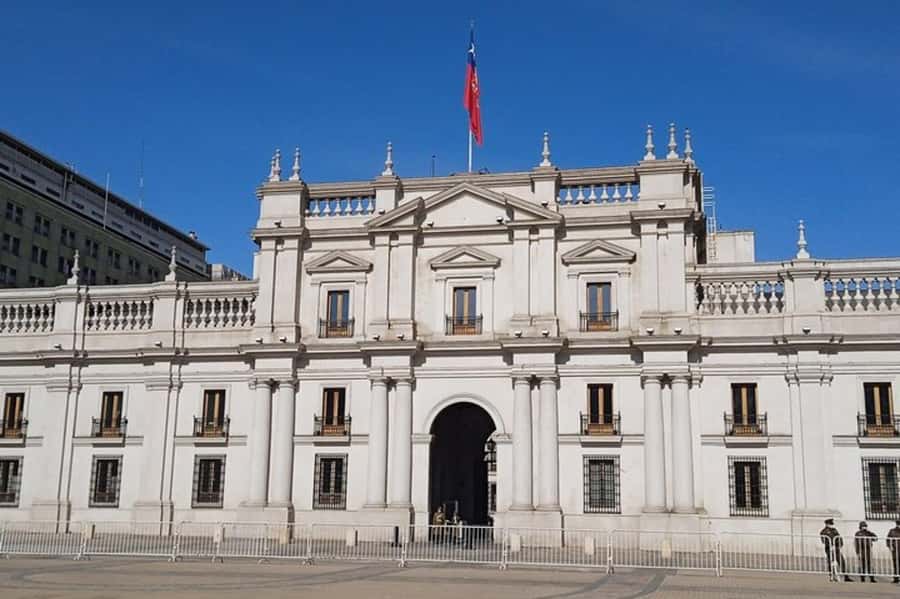
The first major stop is Palacio de la Moneda, the seat of Chile’s president. Even from the outside, it gives the tour a strong opening because this is not simply another grand building. It is a working center of national government and an important part of Chile’s public life.
Your guide can place the building within Santiago’s civic center, where formal government spaces meet daily city activity. The tour description does not promise an interior visit, so you should expect to see the palace as part of the city route rather than count on entering.
This stop is best appreciated as a setting. Look at the broad public spaces around it, the orderly architecture, and the way people move through the area. It helps you understand that Santiago’s historic center is still used as a living part of the capital, not preserved only for sightseeing.
Plaza de Armas and Santiago’s old center
From Palacio de la Moneda, the route continues to Plaza de Armas. This is where the city’s older architectural character comes into sharper focus. The square is framed by the Santiago Metropolitan Cathedral and the Central Post Office, two buildings that give the area much of its visual identity.
You should allow your eyes to move upward here. The cathedral offers a grand religious landmark, while the Central Post Office adds another layer of civic architecture. Together, they make the plaza a useful place to read Santiago’s past through its buildings.
The word bustling is often used for a city square, but here the more important point is contrast. The plaza is historic, yet it remains part of everyday city life. You may see people crossing on routine errands, not just visitors taking pictures. That makes the stop feel more grounded than a collection of isolated monuments.
Because this is a half-day tour, do not expect an extended architectural study. The reward is a focused introduction, followed by the chance to return later if the cathedral or central district catches your interest.
Santa Lucia Hill and the best panoramic pause
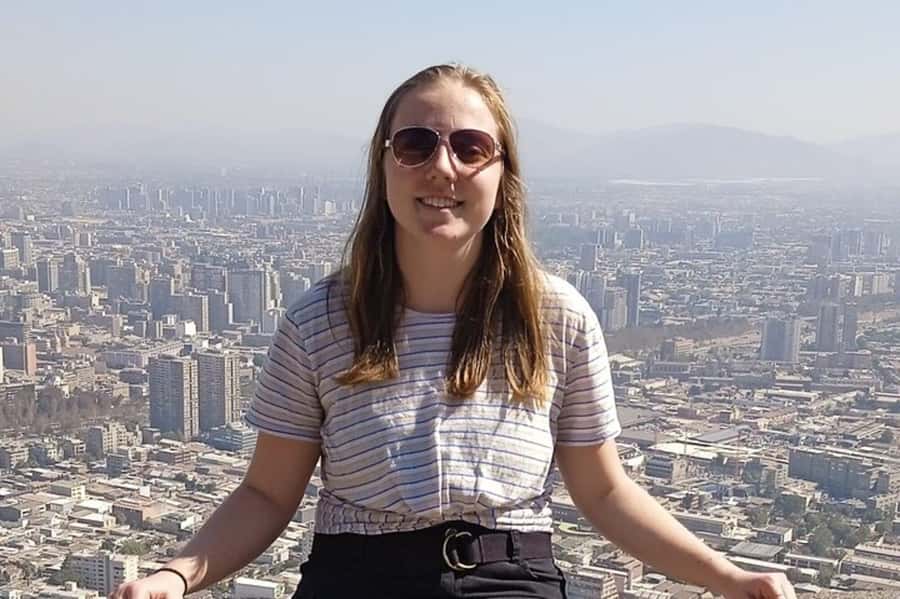
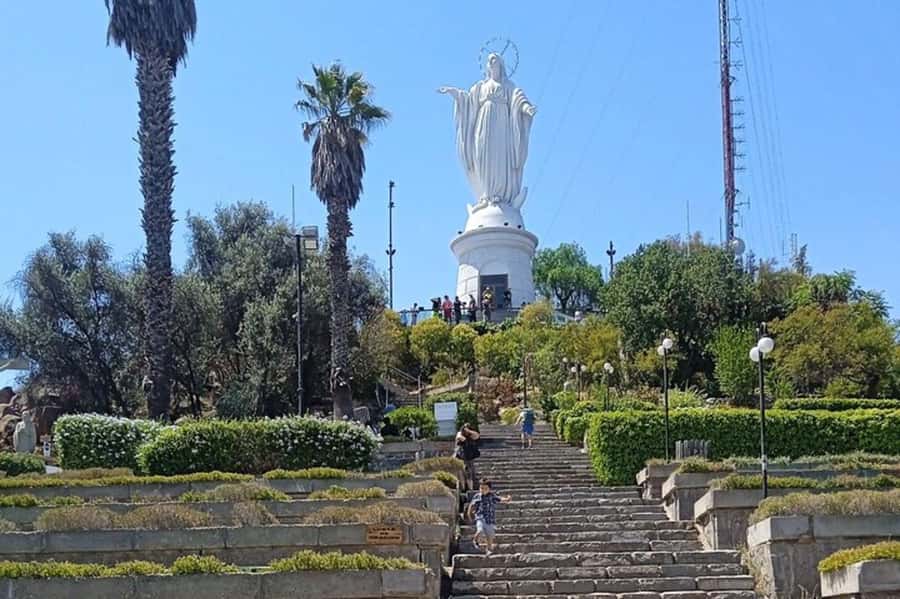
Santa Lucia Hill is likely to be the tour’s visual high point. You ascend for broad views over Santiago, while also seeing a place connected to the city’s earlier development. The hill offers something the flat central streets cannot: a quick reading of Santiago’s size and shape.
I would bring a phone or camera, but keep your hands free for the walking sections. The tour specifically calls for comfortable shoes, and that advice matters here. The ascent may not be suitable for travelers with back problems, pregnant travelers, or serious medical conditions, all of whom are advised not to take this experience.
The hill is also a welcome change in rhythm. After government buildings and a central plaza, you get open views and a little breathing room. You might find the stop more memorable than a quick drive past another building because it connects the city’s architecture with its wider setting.
Do not confuse this with a visit to San Cristobal Hill. Admission to San Cristobal Hill is listed as not included, and it is not the hill featured in the main route. If San Cristobal is a priority, you should plan it separately rather than assume this tour covers it.
More things to do in Santiago:
- Valparaiso Port and Viña del Mar with Casablanca Wine Tasting
★ 5.0 · 6,110 reviews - Santiago: Cajon del Maipo/Embalse del Yeso Tour with Picnic
★ 4.3 · 3,789 reviews - Santiago: Vina Del Mar, Valparaiso, Casablanca & Reñaca Tour
★ 4.2 · 2,838 reviews - Cable Car, Funicular and Sightseeing Bus in Santiago one day
★ 5.0 · 2,325 reviews
Fine Arts Museum and Chilean culture
The Fine Arts Museum brings art into a route that otherwise moves between public buildings, streets, parks, and districts. It is a useful stop because it gives the city a cultural center, not just a visual one.
The museum is described as a place for Chilean art and culture. That makes it valuable even if you are not a serious museum visitor. You can use the stop to put some local context behind the streets you have been seeing, rather than treating Santiago as a city of viewpoints and shopping districts alone.
The available details do not say how much time is spent inside or confirm that admission is included. I would ask the guide about the planned visit and any entry fee at the start. In a five-hour itinerary, the museum portion may be an orientation rather than a full museum tour.
That is not necessarily a weakness. A short introduction can help you decide if you want to return on your own. Just keep your expectations in line with the compact schedule.
Bellavista for food and street life
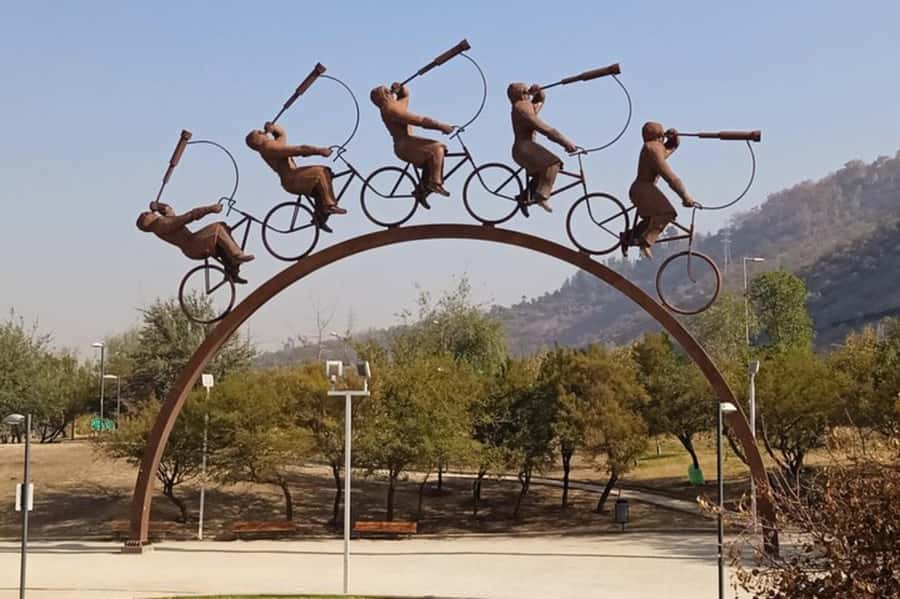
Bellavista is presented as Santiago’s gastronomic center, and the tour uses it to shift from monuments to eating and neighborhood atmosphere. This is the part of the day where you get the clearest connection to local cuisine.
The route does not include lunch. Instead, it offers an optional stop at a traditional Chilean restaurant near the end of the tour, with the meal paid separately. That arrangement gives you flexibility. If you are hungry, you can order local dishes. If you have a later meal planned, you can skip the restaurant and use the drop-off to continue your day.
The phrase local cuisine covers a lot of ground, and no specific dishes are promised. I would ask what the restaurant serves before ordering if you have dietary restrictions or a particular Chilean specialty in mind. The guide can also help explain unfamiliar menu choices, though the only confirmed tour language is English.
Bellavista is worth noticing beyond the meal. It gives the itinerary a more social and food-focused stop after the formal center and museum. Still, because lunch is optional and not included, you should budget extra if you plan to eat.
Las Condes, Vitacura, and Providencia
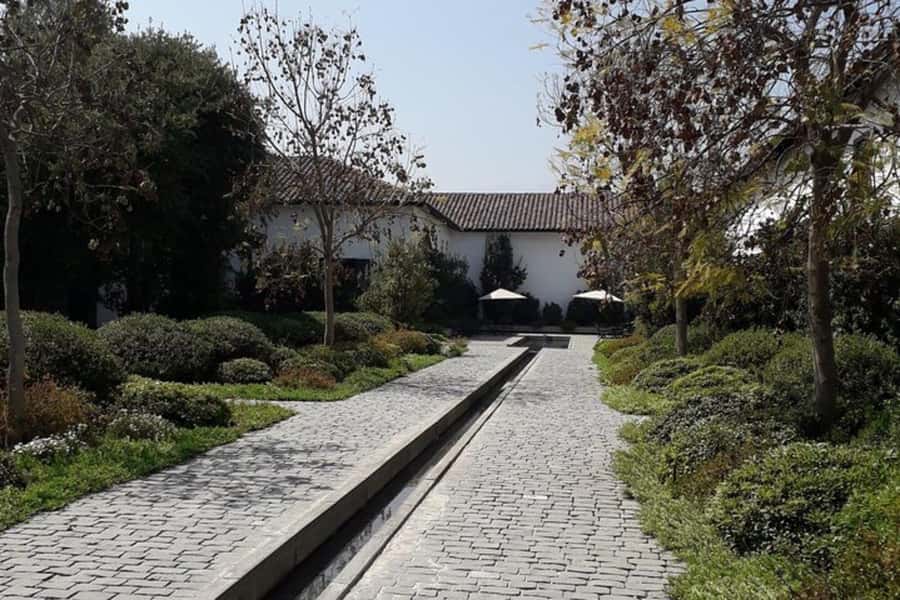
The tour then crosses into some of Santiago’s more polished districts: Las Condes, Vitacura, and Providencia. These areas show a different side of the capital, with contemporary buildings, upscale streets, and a more modern urban mood.
This contrast is one of the tour’s strongest ideas. In a single half-day, you move from the presidential palace and cathedral to areas shaped by current business, dining, and residential life. You see that Santiago is not one uniform city. Its character changes from district to district.
The tradeoff is that driving through a neighborhood is not the same as spending an afternoon there. You may get a useful overview of the streets and architecture, but not much time for shopping, cafés, or independent exploration. Think of this section as a preview.
Providencia and Las Condes may be especially useful for choosing where to spend more time later. The tour does not promise hotel-area advice, but the guide’s English commentary can help you understand the differences as you pass through.
Bicentennial Park, Sculpture Park, and Sanhattan
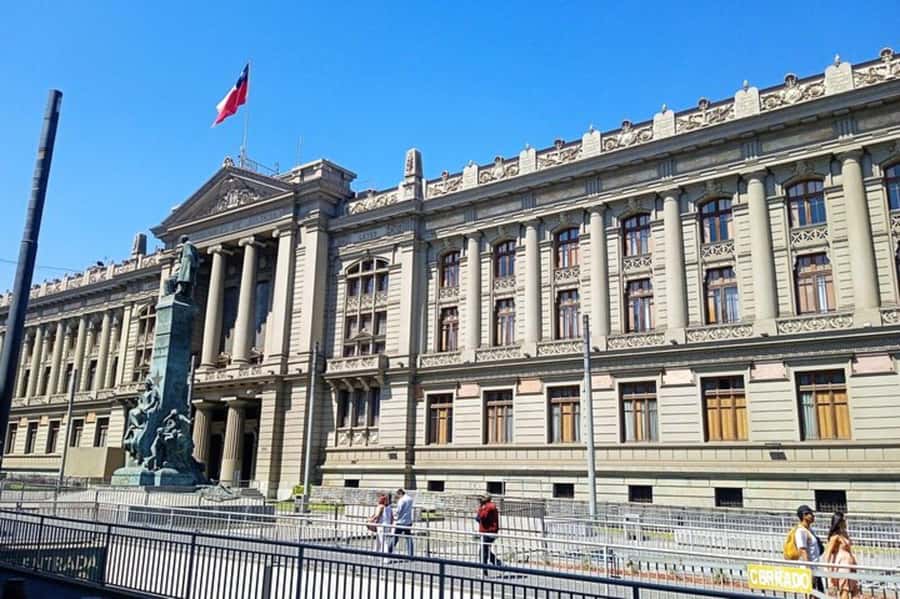
Bicentennial Park provides another change of pace. After central streets and dense urban districts, the park offers open public space and a calmer setting. The tour also includes the Sculptures Park, where art is placed outdoors rather than kept inside a museum.
These stops help prevent the itinerary from becoming a parade of buildings viewed through car windows. You get parks, public art, and room to see how Santiago uses outdoor areas. The details do not specify the exact walking time, so comfortable shoes remain a sensible choice.
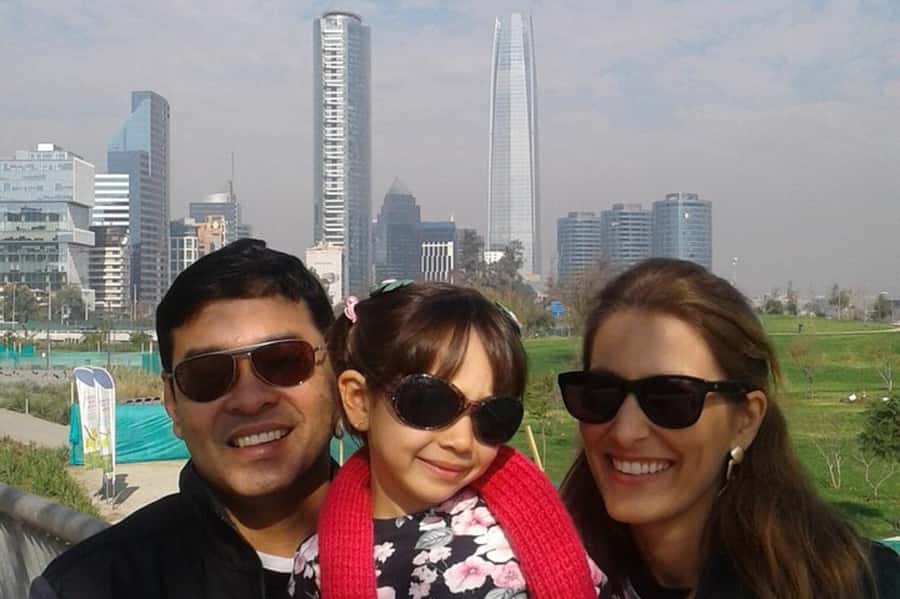
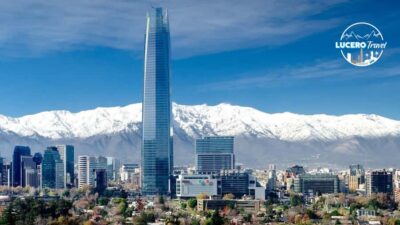
The final modern note is Sanhattan, Santiago’s answer to Manhattan. This is the city’s high-rise business face, with a skyline that contrasts sharply with the older center. It is an effective final chapter for the tour because you can compare the government buildings, cathedral, hill, park, and office towers in one day.
For architecture fans, Sanhattan may be one of the most interesting drive-through sections. For visitors focused on food or older neighborhoods, it may feel less personal. That difference comes down to taste.
Private transport, walking, and tour pace
The air-conditioned private vehicle is a practical part of the experience, not a minor extra. The route covers enough ground that using ordinary public transport between every stop would take more planning and time. Here, you can save your energy for the hill, museum, parks, and central walks.
The tour also includes bottled water. That is a small but useful touch during a five-hour outing, especially with walking in the schedule. You should still wear comfortable shoes and dress for a day that alternates between outdoor stops, vehicle time, and possible indoor visits.
The group minimum is not specified. A minimum number of travelers is required for the tour to operate, and a cancellation caused by low numbers brings the choice of another date or experience, or a full refund. Keep that possibility in mind if you are building a tightly timed itinerary.
Free cancellation is available up to 24 hours before the tour for a full refund. You can also reserve and pay later, which helps if your Santiago plans are still shifting.
Who should book this Santiago tour?
I would recommend this tour to first-time visitors who want a broad introduction without arranging several separate excursions. It suits you if you value an English-speaking guide, private transport, city views, and a mix of historic and modern stops.
It is also a good fit if you have only one free half-day. You will see more districts than you could comfortably cover on foot, and the hotel or central drop-off leaves room for more sightseeing afterward.
I would be more cautious if you want long museum visits, a slow food tour, or deep time in one neighborhood. The schedule is designed for coverage. You should also choose another plan if you have back problems, are pregnant, or have a serious medical condition.
At $70 per person, the tour is fairly easy to justify when you value convenience and orientation. The price is less attractive if you mainly want a meal, a single museum, or a long visit to one hill. Remember to add money for lunch, since the restaurant stop and food are optional and not included.
Should you book it?
Book this tour if you want Santiago explained as a whole city, from Palacio de la Moneda and Plaza de Armas to Bellavista, Bicentennial Park, and Sanhattan. The mix is the main appeal, and the private vehicle makes the wide route practical.
Skip it if you prefer setting your own pace or already know Santiago’s central sights. For most first visits, though, this is a useful five-hour orientation with strong city views, a clear historic-to-modern contrast, and a flexible food stop at the end.
FAQ
How long does the Santiago city tour last?
The tour lasts five hours.
What language is the tour conducted in?
The live tour guide speaks English.
Is transportation included?
Yes. Private transportation in an air-conditioned vehicle is included, along with bottled water.
Is lunch included in the price?
No. Lunch is not included. The tour offers an optional stop at a traditional Chilean restaurant, but you pay for the meal separately.
Does the tour include San Cristobal Hill?
No. Entrance to San Cristobal Hill is not included. The sightseeing route includes Santa Lucia Hill instead.
Is airport hotel pickup available?
No. Airport hotel pickup is not included.
Can I cancel for a full refund?
Yes. You can cancel up to 24 hours in advance for a full refund. The tour also offers a reserve now and pay later option.
Just added in Santiago
- Walking City Tour with Funicular, Cable Car and Tasting★ 4.3 · 6 reviews
- VIÑA DEL MAR AND VALPARAISO TOUR★ 4.8 · 20 reviews
- Tour VIÑA CONCHA Y TORO + CASA MARQUES – Chile, from Santiago.★ 5.0 · 2 reviews
- Undurraga + Isla Negra + San Afonso del Mar —– Full day★ 4.1 · 8 reviews
- Undurraga Wine tour★ 4.2 · 15 reviews
- Southcoast – Private Full-Day tour★ 5.0 · 6 reviews
- Santiago Private walking tour with Lunch★ 5.0 · 5 reviews
- Zapallar : nature, sea and local flavours★ 5.0 · 6 reviews
City Tours, compared.
Full day tour to Valparaiso and Viña del Mar city
Read our review →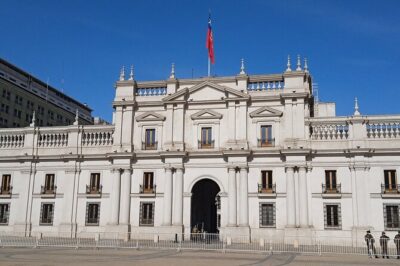
City tour by Santiago of Chile -A beautiful experience – Half day
Read our review →
Half-Day Sightseeing City Tour with Chauffeur and Guide
Read our review →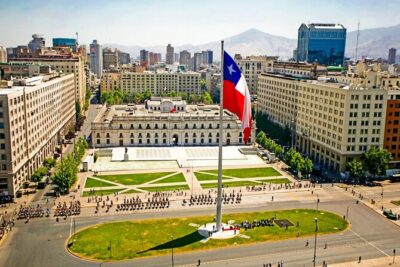
Valparaiso 4-Hour City Tour by Van and Funicular
Read our review →Browse the lists this tour appears in