

REVIEW · PUNTA ARENAS TOURS
Punta Arenas and Magellan Strait Tour
History meets hard wind here. This tour links Punta Arenas with the far edge of the Magellan Strait, taking you from city viewpoints and grand cemetery gates to Fort Bulnes, Bahía Mansa, and the old settlement known as Puerto del Hambre. I especially like the combination of coastal scenery and frontier history, and the chance to see both the city and its remote southern setting in one outing. The main caution is that the advertised full-day label can be misleading: the scheduled experience lasts about 5 hours 55 minutes, and entrance fees are not fully covered.
I also like the private-vehicle format, which can give you more room to ask questions, stop for photographs, and adjust the pace. Guides such as Nicolás, Francisco, Stephanie, Alex, Felipe, Marlon, Peter, and Edmundo have been praised for warm, clear explanations and local stories. Still, pickup times need careful confirmation, especially for cruise passengers, since some departures have involved a broad time window and delays.
In This Review
- Key points before you book
- What the $200 price really buys you
- The southbound road along the Magellan Strait
- Parque del Estrecho: museum, forest, and open water
- Fort Bulnes and the reality of Puerto del Hambre
- Returning to Punta Arenas: a compact city tour
- Sara Braun Cemetery and Magallanes history
- Guides, vehicles, and the pace of the day
- Weather, clothing, and mobility
- Who should book this experience?
- Should you book the Punta Arenas and Magellan Strait tour?
- FAQ
- How long does the Punta Arenas and Magellan Strait tour last?
- What is included in the tour price?
- Are Fort Bulnes and the cemetery included?
- Is this a private tour?
- What happens if bad weather cancels the tour?
- Can I cancel for a full refund?
Key points before you book
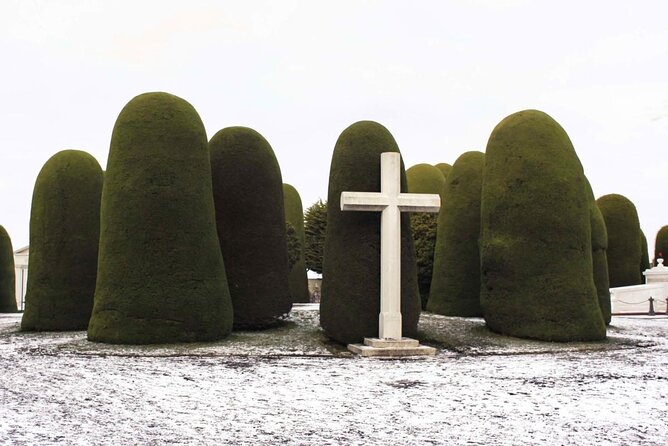
- Fort Bulnes is a reconstruction, but its setting beside the Strait of Magellan gives the visit real force.
- The drive south is part of the experience, with seabirds, coastal settlements, possible dolphin sightings, and views toward Tierra del Fuego.
- City highlights fill out the day, including Cerro de la Cruz, Muñoz Gamero Square, the Sara Braun Cemetery, and the Magellan monument.
- Admission fees are extra, including Fort Bulnes and the cemetery, so budget for tickets beyond the $200 tour price.
- Wind and rain can change the feel of the day, so bring warm layers, gloves, a hat, and a weatherproof jacket.
- Cruise passengers should confirm an exact meeting time, not just a general pickup range.
What the $200 price really buys you
The tour costs $200 per person and includes a private vehicle plus pickup and drop-off at your hotel or port. Food, drinks, lunch, and entrance tickets are extra. At this price, you are paying mainly for transport, a guide, local interpretation, and the convenience of joining several distant sights without arranging separate rides.
That value depends on your group size and priorities. A private outing can be worthwhile if you want an English-speaking guide, a flexible pace, or help fitting the tour around a cruise schedule. Several parties enjoyed having a guide and driver in a clean SUV or minibus, with time to stop for photographs along the coast. One couple particularly appreciated being able to ask for stops near fishing boats and corrugated-iron houses.
The price looks less attractive if you are comfortable hiring a taxi and reading museum displays on your own. One detailed account suggested that a taxi could cost much less, although it would not provide the same narration or organized route. The operator also offers regular group departures, which may cost less than the private option, so compare the exact format before paying.
The entrance fees need special attention. The tour information says Fort Bulnes and the cemetery are not included. Published accounts give different amounts for these tickets, including reports of roughly $10 per person for the park and $5 for the cemetery, while another account cites a higher Fort Bulnes charge. Rates may change, and exchange rates add confusion. Confirm the current price and payment method before departure. Credit cards were accepted at the park ticket office in one account.
More things to do in Punta Arenas:
- Punta Arenas: Walk with Penguins on Magdalena & Marta Island
★ 4.6 · 611 reviews - Punta Arenas: Full-Day Whales, Penguins, and Glaciers Tour
★ 4.9 · 325 reviews - Whale and Glacier Watching from Punta Arenas Francisco Coloane Park
★ 5.0 · 254 reviews
The southbound road along the Magellan Strait
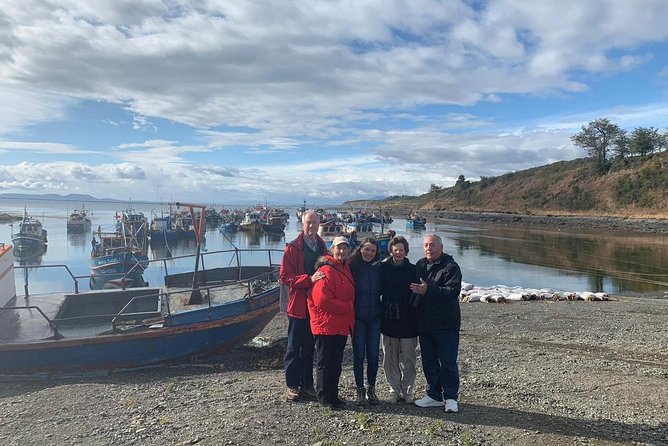
After pickup, you head about 60 kilometers south from Punta Arenas. The drive toward Parque del Estrecho de Magallanes takes around an hour according to the schedule, though individual accounts describe portions taking 30 to 45 minutes depending on the stop and route.
This is not a nonstop scenic drive with dramatic peaks at every bend. Some sections are quiet and open, while the coast provides the interest. Keep an eye out for gulls, caiquenes, ibises, cormorants, and other seabirds. Dolphins have been spotted from the vehicle, and guides may point out the chance of whales in the area at certain times.
You also pass small coastal communities and houses, some built on stilts. These details help you understand the practical life of the strait better than a quick city tour can. The guide commentary adds context about exploration, settlement, local commerce, and the development of Punta Arenas.
A photo stop marks the geographic center of Chile, with signs pointing toward places including Buenos Aires and Antarctica. It is a quick stop, but a memorable one. You then continue to the park and Fort Bulnes area.
Parque del Estrecho: museum, forest, and open water
Parque del Estrecho de Magallanes protects almost 250 hectares of natural and historical land. The park is designed to explain both the ecology of the coast and the story of European and Chilean settlement in the region.
The Strait Museum, also called the Interpretation Center, covers about 1,600 square meters. It includes a cafeteria, shop, panoramic terrace, and multimedia displays about exploration, navigation, settlement, and local nature. Several English-speaking visitors found the bilingual exhibits useful, though one account found parts of the museum poorly lit and hard to read.
The museum matters because it gives Fort Bulnes a wider setting. Without it, the fort can seem like a collection of wooden buildings in a remote spot. With it, you get a clearer idea of the navigational problems, harsh weather, and long-distance ambitions that shaped this coast.
The park also has two marked walking routes. The Path of the Coast runs for about 1.5 kilometers through forest and rocky ground, with low to medium difficulty. The Forest of the Wind Trail is shorter, nearly 300 meters, and leads toward views of passing boats, birds, and possibly whales.
You should not assume you will complete every path. The tour gives roughly three hours at the park, but that time includes the museum, fort, explanations, photographs, ticketing, and walking. If you have knee or mobility problems, ask how much walking is planned. Grass, dirt, short hills, and uneven paths can make the fort area tiring.
Fort Bulnes and the reality of Puerto del Hambre
Fort Bulnes is the main reason to book this experience. The site recreates the first Chilean settlement in the territory, built in a place chosen to claim and defend the strait. The fort is not the original structure, so you should visit it as a historical reconstruction rather than an untouched colonial ruin.
That distinction does not make it uninteresting. Timber buildings, turf walls, simple rooms, and exposed defenses show how difficult life must have been. The wind does much of the interpreting. Standing beside the strait, you quickly understand why a settlement here struggled and why Punta Arenas later became the more practical base.
Plan about an hour inside the fort area, though the exact time can vary. You may walk through the reconstructed buildings, look at displays, and photograph the water and distant Tierra del Fuego. A short hilly dirt road leads toward the fort, followed by grass and unpaved paths around the site.
The view is one of the strongest parts of the tour. The water opens out beneath a wide sky, and the setting gives the fort more meaning than the buildings alone. If the weather is clear, the combination of forest, coast, and strait is memorable. If rain and low cloud arrive, the site can feel stark and exposed.
About 1.5 kilometers away is Bahía Mansa. This natural shelter on the northern coast of the strait was used by the region’s earliest hunter-gatherers, ancestors of the historic Kawéskar canoeists. It is also connected with the later fishing life of the coast. The stop is short, around 10 minutes, so expect photographs and a concise explanation rather than a long walk.
The nearby settlement of Rey Don Felipe, later called Puerto del Hambre, adds a sobering note. Founded in 1584 by Pedro Sarmiento, it became associated with the severe difficulty of sustaining a settlement in this remote place. The tour allows time for photographs and historical context before returning to Punta Arenas.
A completely different kind of day out:
- Punta Arenas: Full Day Tierra del Fuego & King Penguins
★ 4.3 · 179 reviews - Navigation Magdalena Island and Marta
★ 4.0 · 164 reviews - Punta Arenas & Strait of Magellan Park Value Excursion
★ 5.0 · 146 reviews - Punta Arenas: Full-Day Torres del Paine Tour
★ 4.8 · 131 reviews
Returning to Punta Arenas: a compact city tour
The city portion begins at Cerro de la Cruz, a viewpoint above Punta Arenas. From here you can see the bay, the city’s colored roofs, and the surrounding country. It is one of the best quick ways to get your bearings, and it works especially well for first-time visitors.
The stop usually lasts about 25 minutes, though the broader city section is listed as roughly an hour. Guides often use the viewpoint to explain how the city relates to the strait and the surrounding coast. The climb or walk may be uncomfortable for some people, so tell your guide if you need a shorter visit.
Muñoz Gamero Square, also called Plaza de Armas, provides a look at the civic center. It is a brief 15-minute stop, but the square helps connect the city’s public buildings, old homes, and monuments. The Hernando de Magallanes monument is a key sight, and guides often explain the local custom connected with touching the figure’s foot for good luck.
The Antoine de Saint Exupery square is also part of the city sights associated with the tour. Its inclusion adds a literary and aviation note to a route otherwise dominated by exploration and settlement.
Sara Braun Cemetery and Magallanes history
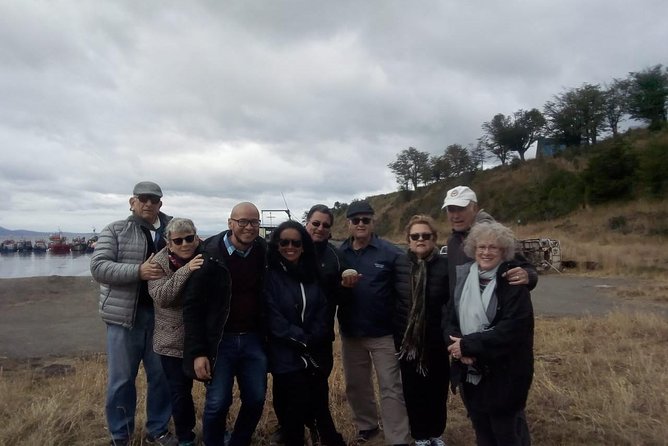
The Sara Braun Municipal Cemetery is one of the most distinctive stops in Punta Arenas. It covers about four hectares and was declared a National Historic Monument in 2012. Its entrance portico was donated by Sara Braun, a major figure in the city’s early social and commercial life.
Inside, straight avenues of cypress trees lead past ornate mausoleums and graves connected with prominent local families. This is not simply a quick photo stop. It offers a look at the wealth created during Magallanes’ commercial period and at the people who shaped the city.
The cemetery visit is scheduled for about 25 minutes. That is enough for the entrance, the main avenues, and explanations about notable figures, but it is not enough for a slow, independent exploration. The admission fee is extra, and one group shortened its city tour because some participants did not want to pay it. Confirm the current charge and make sure everyone in your party agrees before the day begins.
The Regional Museum of Magallanes occupies the former Braun Menéndez family palace. Its rooms contain period furniture, household objects, historical displays, and temporary exhibitions. The visit is listed at about 20 minutes, so expect an introduction rather than a full museum study.
I would treat the museum as a useful supplement to Fort Bulnes. The fort shows the rough edge of settlement, while the palace shows how prosperity later appeared in Punta Arenas. Together they tell a more complete story than either stop alone.
Guides, vehicles, and the pace of the day
The strongest part of the experience is often the guide. Nicolás has been praised for detailed stories about the founding and growth of Punta Arenas. Francisco is known for strong historical commentary and for giving people time to pause at the museum. Alex has been appreciated for local information about history, commerce, and current affairs.
Other guides named in accounts include Stephanie, Luis, Peter, Marlon, Felipe, Johnny, Gabriel, Edmundo, Stefan, and Atma. The service has been offered in English, Spanish, French, and, in at least one case, Portuguese. If language matters to you, request your preferred option clearly when booking and confirm it before arrival.
Private groups can often set a comfortable rhythm. You may have time for a snack at the museum, extra photographs, or a short walk through the city. The tradeoff is that the posted schedule still matters, particularly when transport is shared or several groups are using the same departure.
Communication has not always been perfect. Some cruise passengers received different pickup times, waited longer than expected, or misunderstood when the vehicle would leave. The tour did return one group to the port well before ship departure, and another group had its start time adjusted when a ship arrived late. Still, I would ask for one exact meeting point and one exact departure time in writing.
Weather, clothing, and mobility
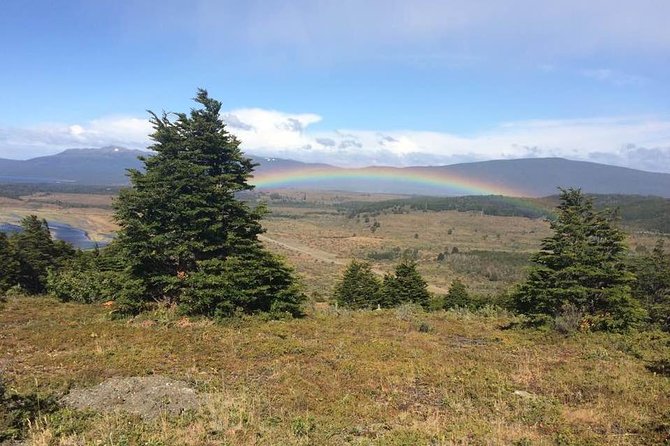
Punta Arenas can be cold and very windy, and Fort Bulnes is even more exposed. Bring layers, gloves, a warm hat, and a jacket that blocks wind and rain. A sunny morning can turn uncomfortable quickly, while rain may reduce the pleasure of the walking trails and viewpoints.
The tour requires reasonable mobility for the fort paths and forest routes. Most people can participate, but the site includes dirt, grass, rocks, and short inclines. If you use a cane, have knee trouble, or tire easily, tell the guide at the start and ask which walks are essential.
Lunch is not included. The museum has a cafeteria, and some groups managed a snack or brief meal there, but the schedule may not leave much time. Carrying a small snack is sensible, especially if you prefer not to rely on a short museum stop.
Who should book this experience?
I would choose this tour if you have one day in Punta Arenas and want the main historical sights without arranging transport yourself. It is especially useful for first-time visitors, cruise passengers with a clear port schedule, couples, families, and small groups who value a guide’s stories.
It also suits you if Fort Bulnes is your priority but you want more than a simple drive there and back. The city cemetery, Cerro de la Cruz, Muñoz Gamero Square, museum, and Magellan monument give the outing a proper Punta Arenas focus.
I would hesitate if you want long hikes, a slow museum visit, or a guaranteed lunch. I would also compare the price with a taxi if you mainly want transport and can handle your own research. The city tour is partly a driving tour with short photo stops, not a long walking tour.
The overall rating is 4.1 out of 5 from 55 ratings, which fits the experience well. The best days bring clear views, a flexible guide, and a small private group. The weaker days involve poor weather, unclear pickup instructions, or disappointment about paying extra for the fort and cemetery.
Should you book the Punta Arenas and Magellan Strait tour?
Book it if you want a well-packed introduction to the region and place a high value on local explanation. The views across the strait, the rough setting of Fort Bulnes, the story of Puerto del Hambre, and the elegant Sara Braun Cemetery create a varied half-day that is hard to reproduce without a car.
Before paying, confirm the exact departure time, language, group format, current entrance fees, and expected return time. If the weather looks poor, ask about the operator’s plan, since the experience may be rescheduled or refunded when bad conditions force cancellation.
For a first visit or a short port call, I think the tour earns its place on your schedule. Just pack for the wind, budget for tickets and food, and remember that Punta Arenas rewards curiosity more than comfort.
FAQ
How long does the Punta Arenas and Magellan Strait tour last?
The experience lasts approximately 5 hours 55 minutes. The park portion is listed at about three hours, while the city portion is listed at about one hour, with driving and stops making up the rest.
What is included in the tour price?
Transport in a private vehicle and pickup and drop-off at your hotel or port are included. Food, drinks, lunch, and entrance tickets are not included.
Are Fort Bulnes and the cemetery included?
No. The tour information specifically states that tickets for Fort Bulnes and the cemetery are extra. Current prices should be confirmed before departure.
Is this a private tour?
Yes. The experience is described as a private activity in which only your group participates. Some accounts also describe regular group departures, so confirm which format you are booking.
What happens if bad weather cancels the tour?
If poor weather causes the experience to be canceled, you will be offered another date or a full refund. The tour requires suitable weather.
Can I cancel for a full refund?
Yes. You can cancel at least 24 hours before the local start time for a full refund. Cancellations or changes made less than 24 hours in advance are not refunded or accepted.
Just added in Punta Arenas
- Whales, Penguins & Glaciers Navigation From Punta Arenas★ 4.5 · 12 reviews
- Punta Arenas : Typical Chilean Cooking Class + Chilean Wine★ 5.0 · 16 reviews
- Trekking to the Southernmost Lighthouse of San Isidro★ 5.0 · 1 review
- Torres del Paine & Tierra del Fuego ( king penguis)★ 4.0 · 4 reviews
- Torres del Paine & Glacier Grey Navigation Private Tour★ 5.0 · 6 reviews
- Strait Park – Fort Bulnes★ 4.0 · 34 reviews
- Punta Arenas Highlights – Cruises shore Excursions★ 4.0 · 30 reviews
- Punta Arenas to Punta Arenas Airport (PUQ) – Departure Transfer★ 5.0 · 2 reviews
Punta Arenas Tours, compared.

Walk with Penguins on Magdalena & Marta Island
Read our review →

Whale and Glacier Watching from Punta Arenas Francisco Coloane Park
Read our review →


Punta Arenas & Strait of Magellan Park Value Excursion
Read our review →
Browse the lists this tour appears in