
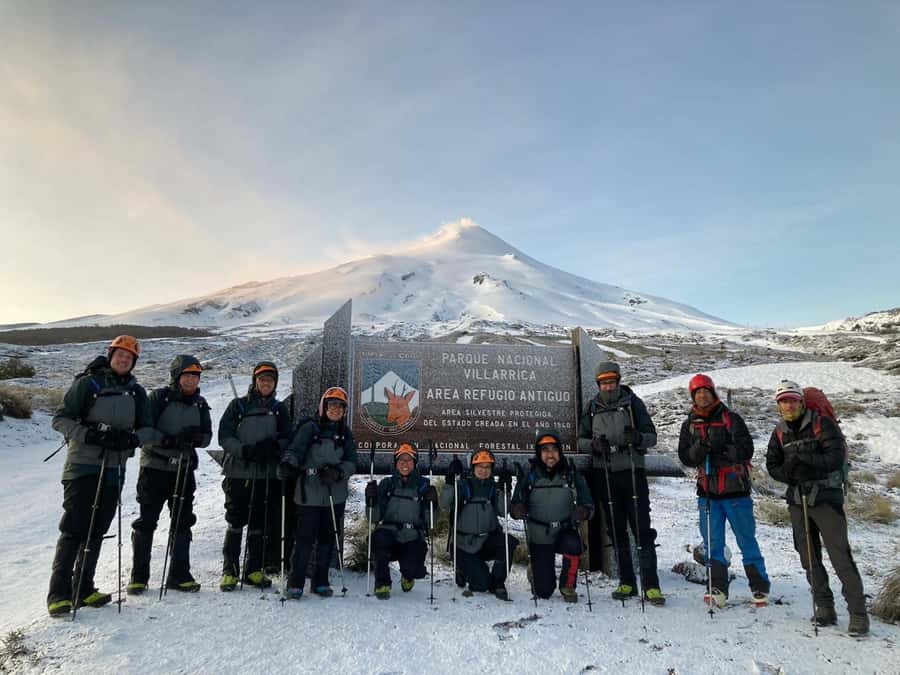
REVIEW · VOLCANO TOURS
Pucón: Villarrica Volcano Climb
The crater is worth every hard step. This demanding day from Pucón takes you up Villarrica Volcano, one of Chile’s most famous active volcanoes, for fumaroles, possible lava views, and a 360-degree panorama of forests, lagoons, and nearby volcanoes. I especially like the careful equipment fitting the day before and the small guide ratio of one certified guide for every three participants.
The snow slide back down is another major draw. It turns a long descent into something playful, though you should not mistake the tour for an easy outing. The climb is steep, conditions can change fast, and weather or volcanic activity may prevent a summit attempt.
In This Review
- Key points before you book
- Why Villarrica is such a striking climb
- The 6:00 am start and the equipment fitting
- The 30-minute drive to Villarrica National Park
- The first 1,200 meters: a steady hiking ascent
- Crampons, ice axes, and the glacier section
- Reaching the 2,847-meter crater
- The descent: controlled sliding instead of a long walk down
- What the $190 price includes
- Who should book this Pucón volcano climb?
- Weather, volcanic activity, and honest expectations
- Should you book the Villarrica Volcano Climb?
- FAQ
- Where does the Villarrica Volcano climb start?
- How long does the experience last?
- How high does the climb go?
- Do I need previous climbing experience?
- What equipment is included?
- Can weather or volcanic activity stop the summit attempt?
Key points before you book
- The climb begins at 1,200 meters and reaches 2,847 meters, with roughly five to six hours of uphill effort.
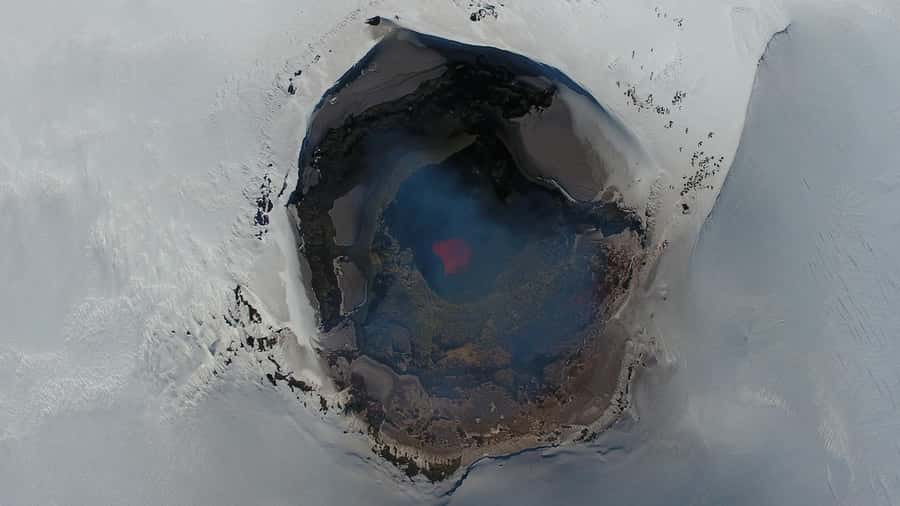
- The summit may reveal an active crater, including fumaroles and, possibly, visible lava.
- Most technical equipment is supplied, including boots, crampons, an ice axe, helmet, clothing, gaiters, and a backpack.
- The descent can include controlled snow sliding, one of the most memorable parts of the day.
- The trip depends on weather and volcanic monitoring, so reaching the crater is never guaranteed.
- The $190 price is reasonable for a full-service ascent, but food, sun protection, trekking clothes, and a possible ski-lift ticket cost extra.
Why Villarrica is such a striking climb
Villarrica is not just a high mountain with a nice view. It is an active volcano in Chile’s volcanic south, part of the Pacific Ring of Fire. The mountain’s broad cone rises above the Pucón area, and the upper section gives the day a real alpine feel.
At the top, you look into the middle of the crater and see the forces that shaped the mountain. Fumaroles may send out gas, and volcanic activity can sometimes reveal lava. That possibility makes the summit feel very different from a standard scenic hike. It also explains why daily monitoring and safety decisions matter so much.
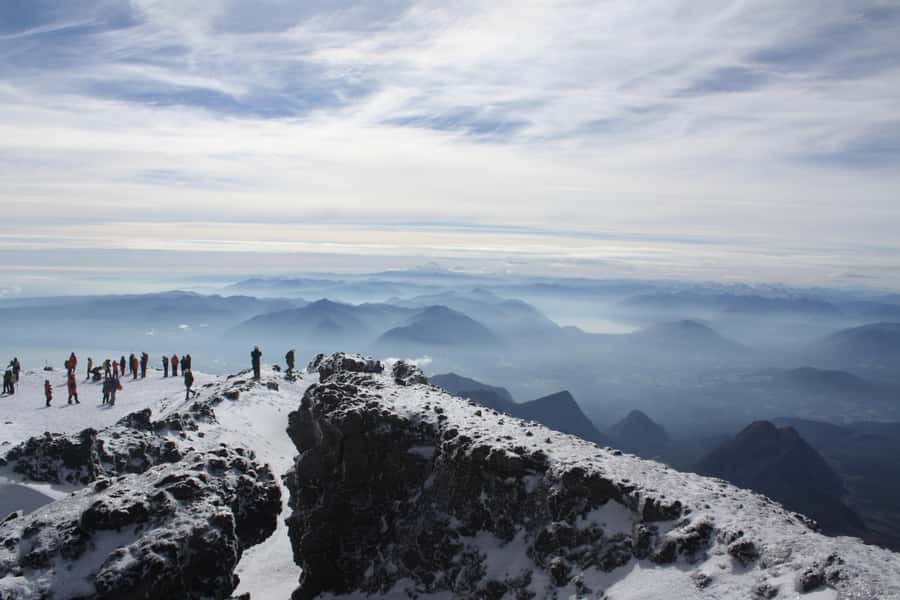
The payoff is not limited to the crater. From the upper slopes, you can see forests, lagoons, and a sweep of other volcanoes. On a clear day, the view gives you a useful sense of southern Chile’s volcanic country, rather than just a single postcard scene.
I also like that the guides use the climb to discuss Andean native peoples, their connection with the mountains, and basic volcanology. The amount of explanation can vary with the pace and conditions, but the setting gives those conversations real weight. You are learning about geology while standing on the result of it.
More volcano trips in Pucon:
- Villarrica Volcano ascent
★ 5.0 · 430 reviews - Guided Ascent to the Villarrica Volcano from Pucón
★ 5.0 · 220 reviews - Villarrica Volcano Ascent – Zenit
★ 5.0 · 111 reviews
The 6:00 am start and the equipment fitting
The day before the ascent, you visit the local partner’s office for an equipment check and a short briefing. This is not a minor formality. Proper boots, clothing, crampons, and gloves can make the difference between a focused climb and a miserable one.
On the morning of the climb, meet at the Zenit Travel office at Pedro de Valdivia 205. The meeting information asks you to arrive at 6:15 am, while the day plan refers to a 6:00 am meeting, so confirm the exact time with the operator. Look for Zenit Travel under the arch.
The early start has practical value. You need many hours on the mountain, and an early departure gives the team more time to work with changing weather and volcanic conditions. It can also help reduce congestion on the route. One issue reported during a busy period was slow progress caused by a large group and several groups bunching together on the ascent.
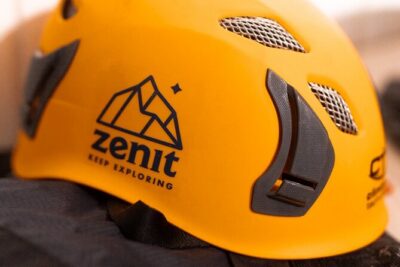
Zenit Travel provides mountain boots, poles, crampons, an ice axe, a helmet, backpack, trousers, jacket, gloves, and gaiters. That is a substantial kit list, especially if you are visiting Chile with ordinary sightseeing luggage and do not own mountaineering equipment.
Still, bring your own trekking clothes if you have them, plus sunglasses, sunscreen, food, and drinks. The supplied clothing is useful, but personal layers let you adjust more easily as your body warms during the climb and the air cools higher up.
Use the fitting to check your boots carefully. One person developed painful blisters, which is a reminder that a boot that feels acceptable for five minutes in an office may feel very different after hours on a steep slope. Wear suitable hiking socks and speak up immediately if the fit is wrong.
The 30-minute drive to Villarrica National Park
The included van ride from central Pucón to the volcano base takes about 30 minutes. Transportation from the Zenit Travel office and back is included, as is the entrance fee to Villarrica National Park.
This short transfer keeps the morning simple. You do not need to arrange a separate taxi to the trailhead, and the guides can organize the group before the walking begins. Hotel pickup and drop-off are not included, so plan your own way to Pedro de Valdivia 205.
The mountain day itself is listed at about 8.5 hours, with the two van journeys bringing the total experience to roughly nine hours. That makes this a full-day commitment. Do not schedule a major afternoon activity, long bus connection, or elaborate dinner reservation immediately afterward.
The first 1,200 meters: a steady hiking ascent
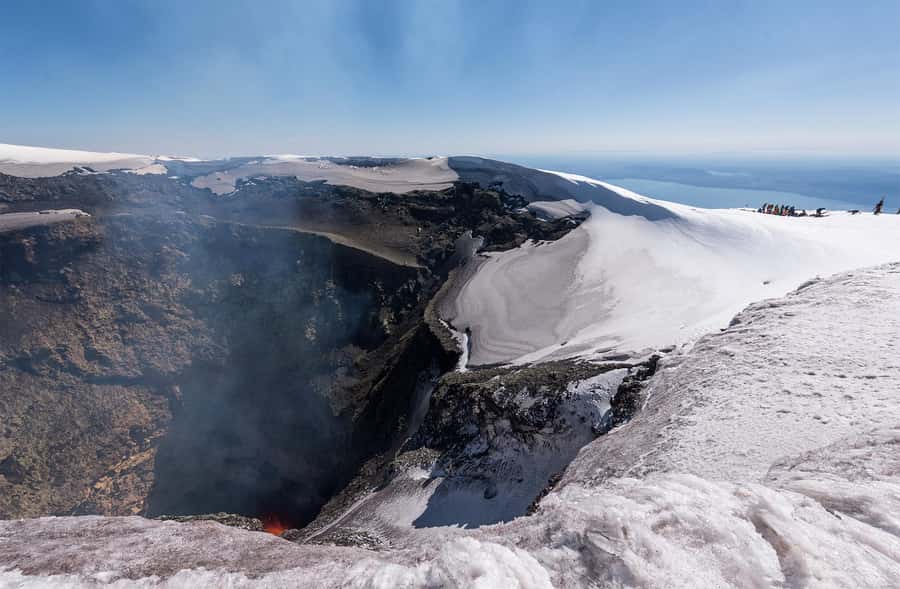
The route begins at about 1,200 meters above sea level. The first section is a traditional uphill hike, and the sensible strategy is to settle into an easy pace rather than race the group.
The instruction to acclimatize slowly matters. You are gaining a great deal of height, and the climb has very few flat sections. Several people found the steady uphill effort harder than expected, even when they were young and fit. You do not need previous climbing experience, but you do need a basic level of fitness and the ability to keep moving uphill for hours.
Your guide team sets the rhythm and can adjust the pace to the group. The one-guide-per-three-participant ratio is reassuring, especially when the group separates by speed. Guides stay in contact by radio, and different groups can take breaks without losing touch.
The terrain is not a casual woodland walk. The challenge comes from the sustained incline, the altitude, and the changing surface. If you exercise regularly, you may find it manageable, but you should still expect a serious physical test. If you want a relaxed nature outing, choose another activity around Pucón.
Food and water are your responsibility. Eat a carbohydrate-heavy meal, such as pasta, the night before, and hydrate well. Avoid alcohol the previous evening. A proper breakfast and compact trail food will help during the long ascent, but keep your pack light and organized.
More things to do in Pucon:
- Villarrica Volcano Ascent
★ 5.0 · 99 reviews - Guided Kayak Trip on Liucura River
★ 5.0 · 87 reviews - Full Day Mountaineering to Villarrica Volcano from Pucón
★ 5.0 · 62 reviews - Horseback Trailride Excursion
★ 5.0 · 48 reviews
Crampons, ice axes, and the glacier section
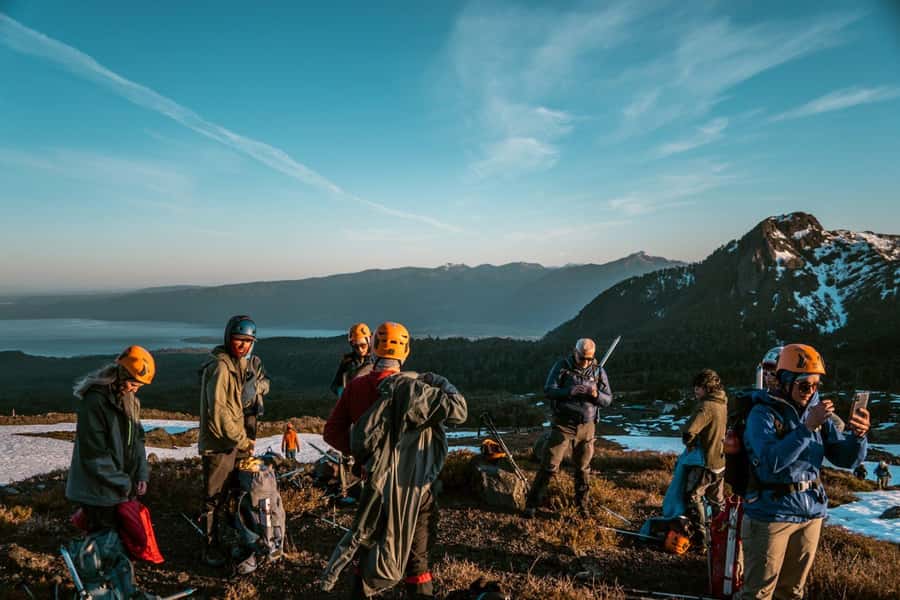
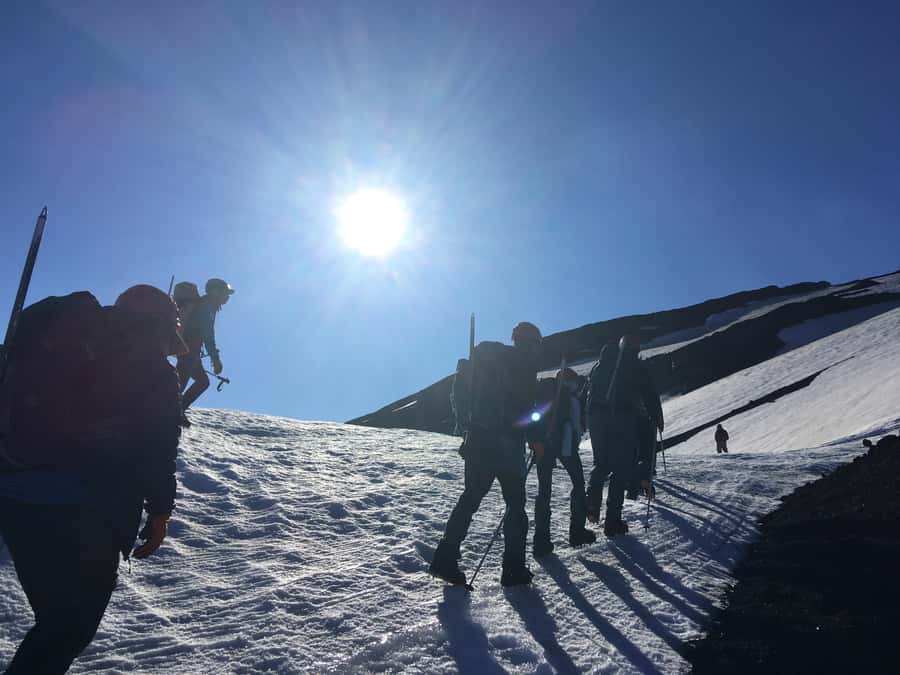
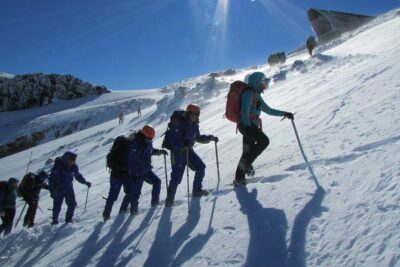
As you approach the upper snow and glacier area, the technical side of the day begins. The guides explain how to use crampons and ice axes, then help you put them on correctly.
For many people, this is the first time walking on snow or ice with mountaineering equipment. The gear can feel awkward at first, but the instruction is part of the value of the tour. You are not expected to arrive as an experienced alpinist.
The supplied equipment includes helmets, though helmet use can vary according to the section and the guide’s instructions. Follow the safety briefing rather than copying another group. Conditions can change with altitude, snow, wind, and volcanic activity.
Some accounts describe going faster without crampons on a particular section when the guides judged it appropriate. That is not a decision for you to make independently. Use the equipment and technique your guide specifies for the surface in front of you.
The guides’ care is one of the strongest parts of the experience. They explain procedures clearly, check on the group, and adjust breaks when needed. Names praised for their calm support and good communication include Nacho, Osiel, Chacha, Sebastian, Raul, Luisa, Felipe, and others on the Zenit team. Your assigned guide will depend on the date and group.
Reaching the 2,847-meter crater
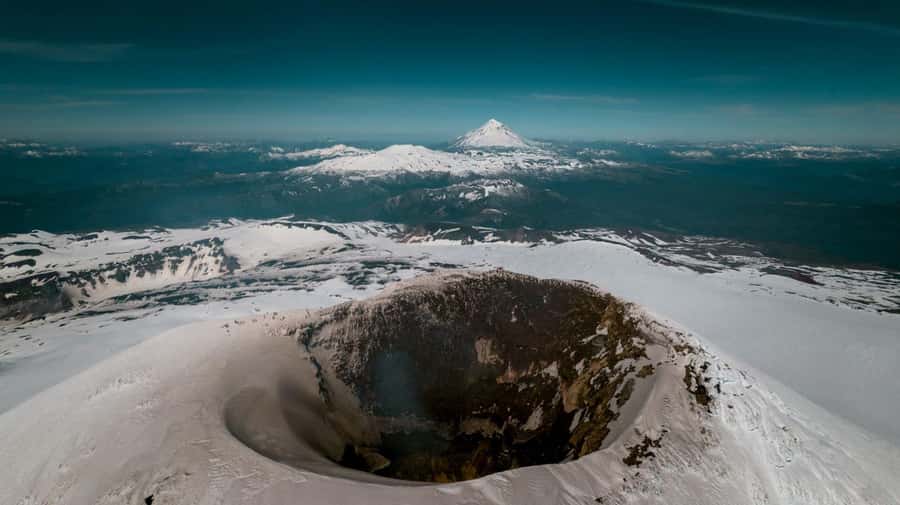
The uphill portion usually takes five to six hours. That estimate is useful, but it is not a promise. Group pace, snow conditions, weather, volcanic restrictions, and fitness levels all affect the timing.
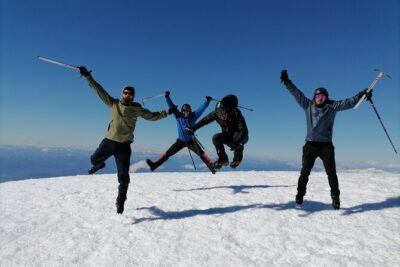
At 2,847 meters, you reach the summit area and spend about 30 minutes there. The time is short compared with the climb, so use it well. Look into the crater, take in the volcanic formations, and let your breathing settle before reaching for your camera.
You may see fumaroles and possibly lava. The word possibly matters here. Villarrica is active, but visibility and access depend on conditions, and the crater may be closed or limited during periods of increased activity. A successful day can still be worthwhile if the guides stop below the summit for safety.
This has happened in strong wind, poor visibility, and periods of volcanic warning. In those cases, the company has offered alternatives or explained the risks before proceeding. That can be disappointing, especially after traveling to Pucón for this specific climb, but turning around is the right call on an active volcano.
A summit view is never guaranteed. Weather may close in, and one group reached only a lower point when visibility was poor and the planned snow sliding was not possible. Treat the crater as a bonus, not a contractual promise.
The descent: controlled sliding instead of a long walk down
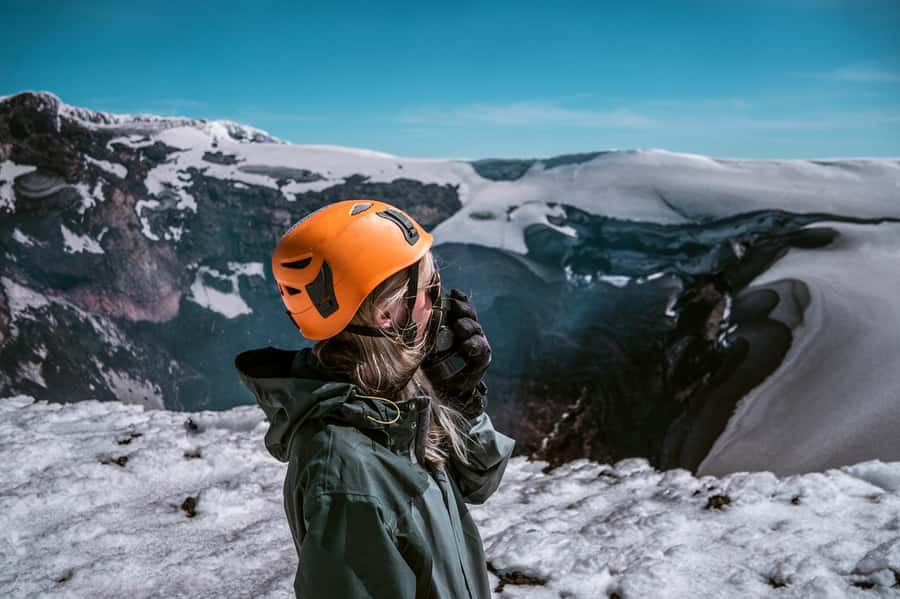
The return takes about half the time of the ascent, helped by a combination of walking and controlled sliding on snow. This is the part many people remember most clearly.
You sit and slide down prepared snow sections under guide instruction. It is fast, funny, and a welcome change after hours of climbing. You may get wet and cold, so pack spare warmth and protect anything that cannot handle snow or water. One useful tip from an experienced participant was to bring a buff, which can help protect your face from wind, snow, and volcanic dust.
The sliding is not available in every condition. Warm weather, poor snow, strong wind, or route restrictions can remove it from the day. If your knees dislike long descents, the sliding may be easier than walking all the way down, but you still need enough control and mobility to follow instructions.
Once you reach the base, the waiting vehicle takes you back to the Zenit Travel office in Pucón. After nine hours, you will likely be tired, dusty, and pleased to have a shower. Build recovery time into the rest of your day.
What the $190 price includes
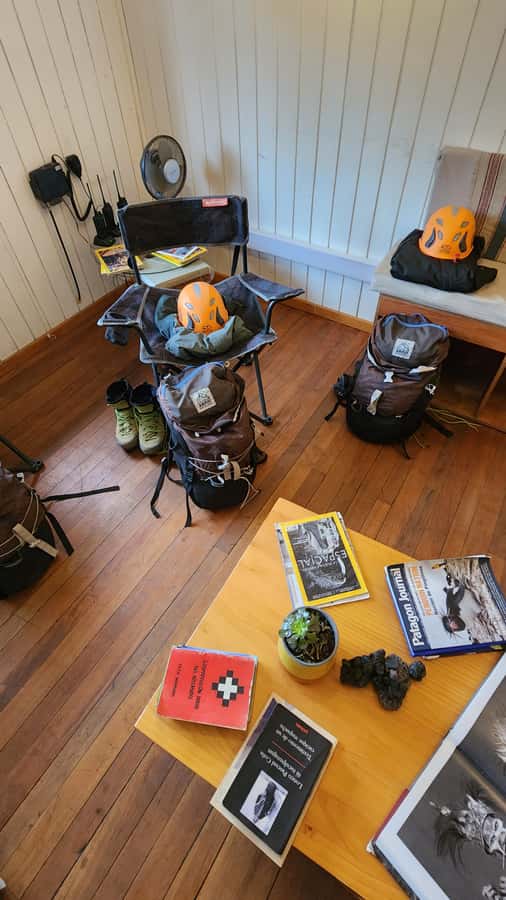
At $190 per person, this is not a cheap half-day walk. It is a full mountain operation with transportation from the office, national park admission, a large set of technical equipment, and certified guiding.
The equipment alone can make the price sensible for visitors who do not carry crampons, ice axes, helmets, mountain boots, or proper outer layers. The guide ratio of one guide for three participants is another important part of the value, particularly on an active volcano where the route and conditions require judgment.
The price does not include food or drinks, hotel transfers, trekking clothes, sunglasses, sunscreen, or a ski-resort towing ticket for the initial approach if you choose that option. Ask about the lift before the climb and confirm the current price and payment method. The lift is not included, and some people were not told clearly that they should bring cash.
That initial lift can save energy on the lower part of the route, though it does not remove the main effort. Decide based on your fitness, the day’s conditions, and whether the lift is operating. Get the details during the equipment meeting rather than assuming it is part of the package.
Who should book this Pucón volcano climb?
I would recommend it to fit adults who want a real physical challenge, have a full day available, and like the idea of combining mountaineering instruction with a volcanic summit. It suits you especially well if you value strong guiding and do not own technical mountain gear.
You do not need prior climbing experience. You do need minimum physical condition, comfort with sustained uphill walking, and the patience to move carefully at altitude. The activity is not suitable for children under 18.
This is also a good choice for anyone who wants more than a viewpoint. You learn to use an ice axe, walk with crampons, examine an active crater, and slide down snow under supervision. The day has a clear sense of achievement.
I would hesitate if you dislike steep climbs, are hoping for an easy scenic excursion, or have a tight schedule that cannot absorb a weather cancellation or an early finish. The route can be hard on ankles, feet, and back, especially if your boots do not fit well.
Weather, volcanic activity, and honest expectations
The program depends on the weather on the day. Wind can be severe, visibility can disappear, and access to the crater can change because of seismic activity or the current volcanic warning level.
Zenit Travel monitors the volcano daily and explains the situation to the group. A careful guide may recommend another day, a different route, or a lower stopping point. The company has also operated alternatives such as Quetrupillán when Villarrica was closed, though you should confirm what alternative arrangements apply to your booking.
I appreciate this caution more than a forced summit attempt. Reaching the top is exciting, but a volcano is not a place to argue with wind, gas, snow, or official restrictions.
The overall rating is 4.8 from 191 reviews, and the praise is consistent in the areas that matter most: friendly guide teams, clear safety instructions, good English, solid equipment, flexible pacing, and a fun descent. The weaker points are practical rather than dramatic: occasional boot-fitting mix-ups, large groups moving slowly, limited geology explanation during the climb, and unclear information about the optional lift.
Should you book the Villarrica Volcano Climb?
Book it if you want one of Pucón’s major adventure days and you are ready for a demanding ascent. The crater, possible volcanic activity, wide views, and snow-slide descent give the experience a strong sense of place that a standard hike cannot match.
Before paying, ask Zenit Travel three direct questions: Is the summit currently open? Is the ski lift operating, and what cash payment does it require? What time should you arrive for the equipment fitting and morning departure?
If the answers are favorable and your fitness is sound, I think the $190 represents good value. Just bring food, water, sunscreen, sunglasses, warm layers, and a buff, then arrive with realistic expectations. The mountain may give you the crater, or it may give you a lower viewpoint and a safe return. Either way, the quality of the guide team is what makes this a sensible choice.
FAQ
Where does the Villarrica Volcano climb start?
Meet at the Zenit Travel office at Pedro de Valdivia 205 in central Pucón. Look for Zenit Travel under the arch and confirm whether the requested arrival time is 6:00 or 6:15 am.
How long does the experience last?
The full experience lasts about nine hours. The van ride takes about 30 minutes each way, and the mountain portion is listed at roughly 8.5 hours.
How high does the climb go?
The ascent starts at approximately 1,200 meters above sea level and reaches 2,847 meters at the summit area.
Do I need previous climbing experience?
No previous experience is required. You do need a minimum level of physical condition because the climb involves five to six hours of sustained uphill effort.
What equipment is included?
The tour includes mountain boots, poles, crampons, an ice axe, helmet, backpack, trousers, jacket, gloves, and gaiters. Food, drinks, trekking clothes, sunglasses, and sunscreen are not included.
Can weather or volcanic activity stop the summit attempt?
Yes. The program depends on weather conditions and daily monitoring of the volcano’s seismic activity. Strong wind, poor visibility, or volcanic restrictions may prevent reaching the crater or using the snow-slide route.
Just added in Pucon
- Ascent to Villarrica volcano 2,847masl, from Pucón★ 4.8 · 36 reviews
- Transfers from or to Temuco – Araucanía Airport★ 5.0 · 2 reviews
- Transfer from Temuco Airport to Pucon★ 4.0 · 4 reviews
- Temuco Airport (ZCO) to Pucon Resorts – Arrival Private Transfer★ 5.0 · 1 review
- Villarrica volcano Ascent Full-Day Activity★ 5.0 · 27 reviews
- Trekking Huerquehue★ 5.0 · 6 reviews
- Trekking Andean Lagoons + Mapuche Cuisine★ 5.0 · 1 review
- Trekking Mirador el volcano + Geometric hot springs★ 5.0 · 38 reviews
Volcano Tours, compared.
Guided Ascent to the Villarrica Volcano from Pucón
Read our review →
Full-Day Osorno Volcano and Petrohue Falls Small-Group Tour
Read our review →
Browse the lists this tour appears in