
REVIEW · CITY TOURS
Private Santiago City Tour with Cable Car
Santiago comes into focus from the hills. This private city tour links political landmarks, old squares, leafy parks, modern districts, and a cable-car ride into one useful introduction to Chile’s capital. I especially like the door-to-door transport and the chance to hear about Chilean politics and daily life from a local guide. The main caution is value: at $135 per person, this costs more than exploring many central sights on your own.
The day works best for a first visit, a short stay, or a port-to-airport stop. Guides such as Leo, Jaime, Maria, Marko, Julio, and Edison have been praised for clear explanations and flexible service. Still, the tour can finish earlier than the advertised five hours, and an unwanted jewelry-shop stop has appeared in the past, although the operator says it is no longer part of the planned route.
In This Review
- Key points to know before booking
- Why this private Santiago tour works as an introduction
- La Moneda and the public face of Chile
- The Courts of Justice and Santiago’s civic center
- Plaza de Armas, the city’s central meeting point
- Cerro Santa Lucía, gardens above the center
- A modern performing arts center between old and new Santiago
- Bellavista and Patio Bellavista
- Cerro San Cristóbal by cable car and funicular
- Vitacura and Santiago’s polished eastern side
- Parque Bicentenario’s gardens and ponds
- Guides, drivers, and the value of a private vehicle
- Is $135 per person a fair price?
- Who should book this half-day city tour?
- Should you book it?
- FAQ
- How long does the Santiago city tour last?
- What is included in the price?
- Is lunch included?
- Is the tour private?
- Does the tour include the cable car?
- What happens if the weather is poor?
- Can I cancel for a full refund?
- Is the tour suitable for people with mobility issues?
Key points to know before booking
- Cable car and funicular included: Ride up Cerro San Cristóbal by teleférico and return by one of South America’s oldest funiculars.
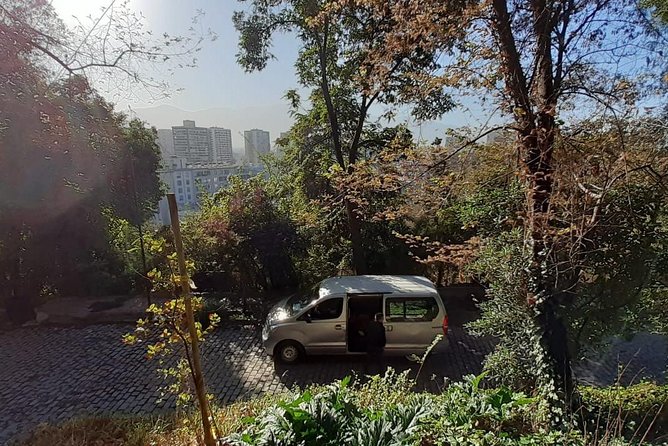
- Private attention: Your group travels in a modern, air-conditioned minivan with a professional guide and hotel pickup and drop-off.
- City in several chapters: The route moves from La Moneda and Plaza de Armas to Bellavista, Vitacura, and Parque Bicentenario.
- Good for orientation: You get a broad first look at Santiago’s politics, architecture, neighborhoods, and city life in about five hours.
- Guide quality matters: Leo received especially warm praise for explaining Santiago and Chile clearly, while Marko and driver Juan handled mobility needs with care.
- Watch the clock: Some departures have ended after about four hours, so this is best treated as a half-day orientation rather than a full-day outing.
Why this private Santiago tour works as an introduction
Santiago is a large capital with several very different personalities. The old center carries government buildings, churches, courts, and public squares. The western and central districts feel more historic and political, while the eastern neighborhoods present a cleaner-lined, wealthier, more modern side of the city.
This tour gives you a quick route through all of those settings. You are not simply parked at one monument for an hour. Instead, the minivan carries you between major areas, and you get out for short walks, views, photographs, and explanations.
I like this format for a first day because it answers basic questions quickly. Where is the political center? How does the old core fit beside Santiago’s newer business districts? Which hill gives the best city view? What kind of neighborhood is Bellavista? A good guide can make those connections more useful than a list of isolated monuments.
The private setup also changes the pace. You are not committed to a large group, and the tour can operate with only two people. Guides and drivers have been praised for meeting groups at key points and arranging pickup while you walk. That is helpful in a city where parking and traffic can make a simple stop awkward.
The tradeoff is cost. At $135 per person, you are paying for a private vehicle, guide, hotel service, and a carefully arranged route rather than a long list of paid admissions. The cable car ticket is included, but lunch is not. If you are comfortable using public transport, walking, and arranging your own sightseeing, the price may feel high.
More City Tours in Santiago
- Private Santiago City Half Day Tour
★ 4.0 · 414 reviews - Santiago: Full day tour to Valparaiso and Viña del Mar city
★ 4.0 · 188 reviews - City tour by Santiago of Chile -A beautiful experience – Half day
★ 4.5 · 176 reviews
La Moneda and the public face of Chile
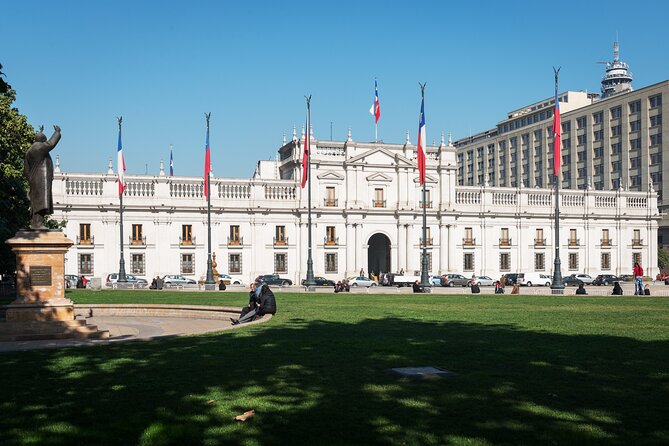
The tour begins around Plaza de la Ciudadanía, the broad public space in front of Palacio La Moneda. This is the Presidential Palace and the seat of Chile’s government, so it is one of the best places to begin a conversation about the country’s political life.
The square is more than a formal forecourt. It can host political gatherings, protests, and public celebrations, making it a useful place to think about Chile’s democratic culture. Your guide can provide the political background that the building alone cannot.
You also visit the Centro Cultural Palacio La Moneda, located within the palace complex. The center presents exhibitions, art installations, and multimedia displays connected with Chilean art, culture, and history. Admission is free, which makes this a worthwhile stop even if you do not have time for a long visit.
The scheduled time here is about 30 minutes. That is enough for an introduction and a look around, but not enough to study every exhibition in detail. If the cultural center is your main interest, you may want to return independently for a slower visit.
The Courts of Justice and Santiago’s civic center
The Palace of the Courts of Justice provides another look at the machinery of the state. Its imposing building houses Chile’s Supreme Court, the Santiago Court of Appeals, and the Martial Court serving the Army, Air Force, and Police.
This is primarily an exterior sightseeing stop, so do not expect a museum visit or an extended interior tour. Its value comes from the guide’s explanation of how the judicial system fits alongside the presidential and municipal institutions you see elsewhere in the center.
I find this kind of stop useful because it keeps the tour from becoming a parade of pretty facades. Santiago’s public buildings tell you how the country is organized, and the route gives you several chances to connect architecture with government.
Plaza de Armas, the city’s central meeting point
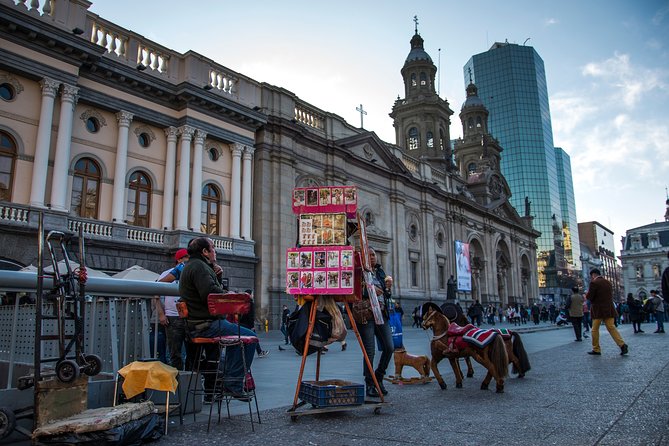
Plaza de Armas is the natural heart of old Santiago. Here, the tour turns from national government toward the city’s everyday public life and colonial-era street plan.
The square is surrounded by major buildings, including the Metropolitan Cathedral and the Municipality of Santiago. It is also tied to Chile’s political past and the work of the Executive Branch. Your guide can help you read the square as both a historic center and an active urban gathering place.
The planned visit lasts about 45 minutes. That gives you time to look at the surrounding architecture, take photographs, and absorb the activity around the plaza without rushing through it in a few minutes.
This is one of the better stops for getting your bearings. If you later return on your own, you will know where the old center begins and how the main sights relate to each other. Keep in mind that a 45-minute stop still gives you an overview, not a full museum-style study of the cathedral or municipal buildings.
More things to do in Santiago:
- Valparaiso Port and Viña del Mar with Casablanca Wine Tasting
★ 5.0 · 6,110 reviews - Santiago: Cajon del Maipo/Embalse del Yeso Tour with Picnic
★ 4.3 · 3,789 reviews - Santiago: Vina Del Mar, Valparaiso, Casablanca & Reñaca Tour
★ 4.2 · 2,838 reviews - Cable Car, Funicular and Sightseeing Bus in Santiago one day
★ 5.0 · 2,325 reviews
Cerro Santa Lucía, gardens above the center
Cerro Santa Lucía offers a change of pace. This historic hill rises from the center and is associated with the founding of Santiago. Its paths, stairways, gardens, and decorative structures provide a quieter setting than the streets below.
The climb also gives you city views, though the walking route includes steps and uneven sections. The tour allows about 45 minutes, which should let you explore some of the hill and reach viewpoints without treating the visit as a strenuous hike.
I like the contrast here. La Moneda and Plaza de Armas explain Santiago through government and urban history. Santa Lucía lets you see how the city looks from above while enjoying a small green retreat in the middle of the capital.
If mobility is a concern, tell the operator in advance. The service has handled mobility limitations thoughtfully in the past, with the guide staying alongside a parent while the driver moved the van to a convenient pickup point. That sort of assistance can make the difference between an enjoyable stop and an unnecessarily difficult one.
A modern performing arts center between old and new Santiago
The route also includes the country’s most modern performing arts cultural center. The supplied details do not give the center’s name or a separate visit length, so you should regard this as a brief orientation stop rather than plan your day around an extended performance or exhibition visit.
Its place in the route is useful. After government buildings, a central plaza, and a historic hill, you get a glimpse of Santiago’s contemporary cultural life. It helps show that the city is not only about colonial architecture and political landmarks.
Ask your guide what is currently on display if this stop interests you. The tour’s main strength here is context and access by vehicle, not a guaranteed long cultural program.
Bellavista and Patio Bellavista
Bellavista sits near the foot of Cerro San Cristóbal and is known for its artistic and nightlife scene. The neighborhood includes theaters, jazz clubs, salsa venues, and live music spaces, giving it a different mood from the formal center.
The tour allows about 30 minutes in Bellavista, followed by another 30 minutes at Patio Bellavista. That is enough to look around, understand the area, and take photographs, but not enough to sample its evening entertainment in any meaningful way.
Patio Bellavista brings together restaurants, bars, shops, and Chilean crafts. You may find items made from copper, alpaca, wood, and lapis lazuli. For some people, this is a pleasant chance to browse local products. For others, it may feel like a shopping pause in a sightseeing day.
That distinction matters because an older version of the tour included an unplanned jewelry-shop visit, with some pressure to buy. The operator later said the stop was removed from the program and instructed guides not to include it. I would still confirm the current route when booking, especially if you want a strictly sightseeing-focused experience.
Cerro San Cristóbal by cable car and funicular
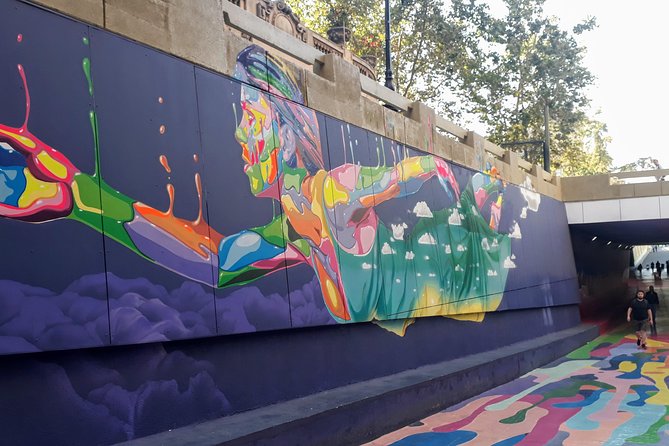
The strongest visual moment comes at Cerro San Cristóbal, within Metropolitan Park. The tour includes the cable car ticket, so there is no extra admission charge for the teleférico ride.
You ride upward by cable car, gaining broad views over Santiago. On a clear day, the Andes appear in the distance. Air quality and weather can affect the view, so keep your expectations flexible. Even without a perfect mountain panorama, the ride gives you a useful sense of the city’s size and position.
At the summit, you find the Virgin Mary statue, gardens, and several lookout points. This is the place to take photographs, but allow yourself time to simply look. The city’s dense center and newer eastern districts make more sense from this height.
The return trip uses the historic funicular. This older railway runs down the wooded hillside and adds a pleasingly old-fashioned finish to the hill visit. The entire stop is scheduled for about an hour, making it one of the most substantial parts of the day.
I would check the weather forecast before booking because poor weather can cancel the experience. If that happens, the operator offers another date or a full refund.
Vitacura and Santiago’s polished eastern side
After the historic center and the hills, the tour heads east to Vitacura and other modern parts of Santiago. This district is known for upscale homes, high-end shops, gourmet restaurants, art galleries, and carefully maintained public spaces.
The point is not to visit one must-see monument. It is to show you how Santiago changes as you move away from the old center. Modern infrastructure, business activity, and polished commercial areas give you a different view of the capital’s economy and daily life.
You may find this section less memorable than the cable car or Plaza de Armas, but it adds balance. A city tour that shows only the old center can leave you with an incomplete picture. Vitacura explains the newer, wealthier side of Santiago and helps place the city’s development in a broader setting.
Parque Bicentenario’s gardens and ponds
Parque Bicentenario covers more than 30 hectares in the eastern part of the city. The park includes gardens, ponds, and recreational areas arranged with a modern design.
The scheduled stop is about 20 minutes, so think of it as a short breath of fresh air rather than a full park outing. You can stretch your legs, take a few photographs, and see how the city uses open space in its newer districts.
This is a particularly welcome pause after several historic buildings and urban streets. It also reinforces the route’s main idea: Santiago is not one uniform city. It has civic spaces, hills, nightlife neighborhoods, luxury districts, and large public parks.
Guides, drivers, and the value of a private vehicle
The most important part of this experience is likely to be the guide. Leo has been praised for giving detailed explanations while allowing plenty of time for photos and exploration. Jaime was appreciated for discussing Chilean history and current challenges without allowing personal political views to take over the day.
Other guides, including Julio, Edison, Maria, and Marko, have also been described as friendly and helpful. That range suggests that the operator has several experienced people, although the exact guide is not guaranteed unless arranged directly.
The driver matters just as much. A good city driver can drop you near a sight, move the van while you walk, and meet you at a practical exit point. That arrangement has been especially useful for people with mobility limitations and for those traveling from the port at San Antonio before continuing to the airport.
Hotel pickup and drop-off are included, along with transport in a modern, air-conditioned minivan. This saves you the effort of arranging taxis between districts. It also means you can cover more ground than you would on foot in five hours.
The downside is that traffic and parking can affect the schedule. Some departures have lasted closer to four hours, while others used the available time well. Ask for the expected start and return time when confirming your booking, particularly if you have a flight or cruise connection.
Is $135 per person a fair price?
I would judge the cost by how much help you need. The fee includes a private guide, a private vehicle, hotel pickup and drop-off, and the Cerro San Cristóbal cable car. Most stops have free admission, so the price is mainly paying for transport, local interpretation, flexibility, and convenience.
For a couple or family with only one day in Santiago, that can be reasonable. You avoid piecing together several taxis and public transport rides, and you get a guide who can explain politics, neighborhoods, and recent city changes as you move around.
For a solo visitor or a pair of confident independent sightseers, the price is harder to justify. Plaza de Armas, Cerro Santa Lucía, Bellavista, and some eastern districts can be reached without a private tour. You are paying a premium for time saved and information, not for a long list of costly attractions.
The tour is recommended by 92 percent of purchasers and has an average rating of 4.8 from 36 ratings. Those figures point to strong satisfaction, but the lower ratings raise fair concerns about price, shorter duration, and shopping interruptions. I would book it for convenience and orientation, not because it is the cheapest way to see Santiago.
Who should book this half-day city tour?
I would recommend it most strongly to:
- First-time visitors who want a quick, organized introduction
- Families who prefer private transport and flexible attention
- Cruise passengers with a limited window in Santiago
- People connecting from San Antonio to a hotel or airport
- Anyone who wants a guide to explain Chilean politics and history
- Visitors who find hills, long walks, or public transport difficult
I would think twice if you have several days in Santiago and enjoy exploring independently. You may prefer to spend a full morning at the central sights, return to Bellavista at night, and give Cerro San Cristóbal more time on its own.
The tour is available with free cancellation up to 24 hours before departure. Inside that window, refunds are not offered, and poor weather may lead to a new date or full refund. Service animals are allowed, the route is near public transport, and most people can participate, though the hills include stairs and walking.
Should you book it?
Book this tour if you want Santiago explained as a whole, not just a collection of monuments. The cable car, funicular, La Moneda, Plaza de Armas, Bellavista, Vitacura, and Parque Bicentenario give you a strong first map of the city in roughly half a day.
I would confirm the pickup time, expected finish, assigned guide, and current policy on shopping stops before paying. If the operator pairs you with a guide like Leo, Jaime, or Marko, the personal explanations can make the price worthwhile. If you prefer slow visits and low-cost sightseeing, use the route as a planning guide and explore the center and hills on your own.
FAQ
How long does the Santiago city tour last?
The advertised duration is approximately five hours. Some past departures have finished after about four hours, so confirm the expected schedule if you have a flight, cruise, or other timed plan.
What is included in the price?
The price includes a professional guide, hotel pickup and drop-off, transport in a modern air-conditioned minivan, and the cable car admission fee at Cerro San Cristóbal.
Is lunch included?
No. Lunch is not included in the tour price.
Is the tour private?
Yes. Only your group participates in the private tour or activity.
Does the tour include the cable car?
Yes. The Cerro San Cristóbal stop includes a cable car ride to the summit and a return by the historic funicular.
What happens if the weather is poor?
The experience requires good weather. If poor weather causes cancellation, you will be offered another date or a full refund.
Can I cancel for a full refund?
You can cancel at least 24 hours before the local start time for a full refund. Cancellations or changes made within 24 hours are not refunded or accepted.
Is the tour suitable for people with mobility issues?
Most people can participate, and the operator has provided extra assistance for guests with mobility limitations. Some stops, including Cerro Santa Lucía and Cerro San Cristóbal, involve walking, paths, or stairs, so discuss your needs when booking.
Just added in Santiago
- Walking City Tour with Funicular, Cable Car and Tasting★ 4.3 · 6 reviews
- VIÑA DEL MAR AND VALPARAISO TOUR★ 4.8 · 20 reviews
- Tour VIÑA CONCHA Y TORO + CASA MARQUES – Chile, from Santiago.★ 5.0 · 2 reviews
- Undurraga + Isla Negra + San Afonso del Mar —– Full day★ 4.1 · 8 reviews
- Undurraga Wine tour★ 4.2 · 15 reviews
- Southcoast – Private Full-Day tour★ 5.0 · 6 reviews
- Santiago Private walking tour with Lunch★ 5.0 · 5 reviews
- Zapallar : nature, sea and local flavours★ 5.0 · 6 reviews
City Tours, compared.
Full day tour to Valparaiso and Viña del Mar city
Read our review →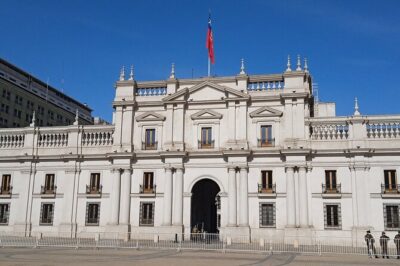
City tour by Santiago of Chile -A beautiful experience – Half day
Read our review →
Half-Day Sightseeing City Tour with Chauffeur and Guide
Read our review →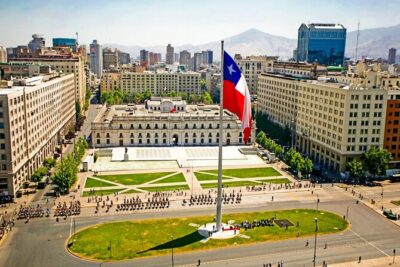

Valparaiso 4-Hour City Tour by Van and Funicular
Read our review →Browse the lists this tour appears in