
REVIEW · PUERTO VARAS TOURS
OneWay Journey: Puerto Varas, Chile to Bariloche, Argentina
This is a full day across two countries. The Puerto Varas to Bariloche journey turns a necessary transfer into an Andes adventure, using buses and boats to cross lakes, forests, and the Chilean-Argentine border. I like the small maximum group of 15, which should make a long day easier to manage, and I like that your luggage is handled within clear limits: one suitcase up to 23 kilograms and one carry-on up to 10 kilograms.
I also like the variety. You get the Petrohué Waterfalls, a two-hour crossing of Lago Todos los Santos, glacial Lago Frías, and a final approach across Lago Nahuel Huapi. The main caution is simple: this is an organized transport day, not a relaxed sightseeing tour. Lunch costs extra, entry to the waterfalls costs US$9, and moving between buses, boats, and border control requires patience.
In This Review
- Key points to know before booking
- Why this crossing is worth a full day
- Puerto Varas begins the journey with a local flavor
- Petrohué Waterfalls add a short burst of power
- Two hours on Lago Todos los Santos
- Peulla is a quiet lunch stop, not a full tour
- Puerto Frías brings the border into the itinerary
- From the Frías River to Lago Nahuel Huapi
- Puerto Pañuelo is the final port connection
- Arriving in Bariloche after a day of mountains and water
- What the US$347 fare really covers
- Who should book this Andes crossing?
- Should you book the Puerto Varas to Bariloche journey?
- FAQ
- How long does the Puerto Varas to Bariloche journey take?
- What transportation is used?
- Is lunch included?
- Is admission to the Petrohué Waterfalls included?
- How much luggage can I bring?
- Where does the journey end?
Key points to know before booking
- Bus and boat travel creates the adventure: You cross the Andes through a chain of roads, catamarans, ports, and lakes rather than taking a quick direct transfer.
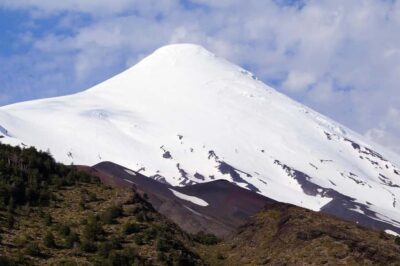
- Lago Todos los Santos is the scenic centerpiece: The two-hour sailing brings views of Mount Tronador, Osorno Volcano, Puntiagudo, forests, and waterfalls.
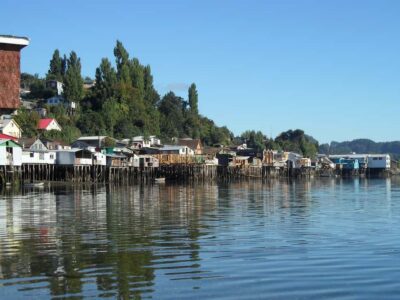
- The day begins in German-influenced Puerto Varas: Wooden houses covered with larch shingles give this Chilean lakeside town a distinct look.
- Lunch in Peulla is not included: Allow about US$25 per person for the available meal stop, with limited alternatives in this small ecological village.
- Border formalities happen at Puerto Frías: Keep your passport handy and expect the crossing to be part of the day’s schedule.
- The US$347 price pays for the route itself: It includes land and lake transfers, a driver-guide, and luggage allowance, but not every fee or meal.
Why this crossing is worth a full day
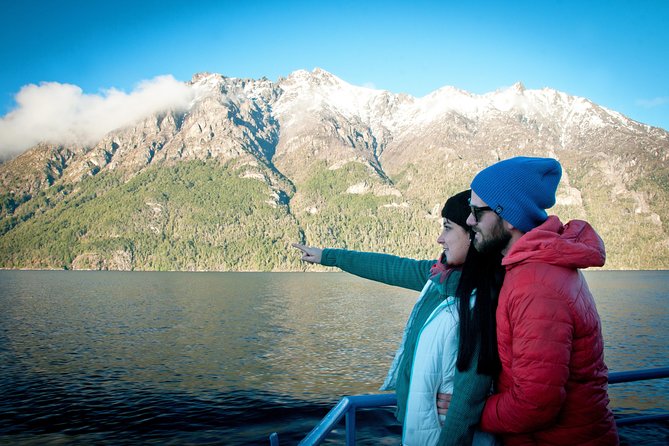
The practical reason to take this tour is obvious: it gets you from Puerto Varas in Chile to San Carlos de Bariloche in Argentina. But the route makes the transfer memorable. Instead of losing a day to ordinary road travel, you spend about 12 hours moving through the Lake District by water and road.
I like this kind of journey because the transport is part of the attraction. You are not simply sitting on a bus while the scenery flashes past. You step onto boats, look back at forested slopes, pass glacial water, and arrive in a different country with a strong sense of having crossed the Andes.
That said, you should set your expectations correctly. The schedule begins at 8:00 a.m. and includes several timed sections. You will have stops, but this is not a choose-your-own-pace excursion. A delayed border procedure or slow transfer can affect the rhythm of the entire day.
The small-group limit helps. With no more than 15 people, the guide can give instructions without shouting across a large coach, and group movements should be less awkward at ports and border stations. Past experiences with this route praise the organization, clean transport, friendly staff, and capable drivers and guides.
More things to do in Puerto Varas:
- Shore Excursion: Petrohue Waterfalls, Frutillar & Puerto Varas
★ 4.5 · 554 reviews - Rafting rio Petrohue
★ 5.0 · 370 reviews - Full-Day Osorno Volcano and Petrohue Falls Small-Group Tour
★ 5.0 · 164 reviews
Puerto Varas begins the journey with a local flavor
Puerto Varas is more than a pickup point. It is the tourist center of southern Chile, set on the shore of Lago Llanquihue, the country’s second-largest lake. The town’s German influence is easy to spot in its traditional wooden houses, many covered with larch tiles.
You have about an hour here at the start. That is enough to get your bearings and appreciate the town’s character, though not enough for a serious museum visit or a broad tour of the area. If you are staying in Puerto Varas beforehand, consider allowing extra time on another day to explore it properly.
The town also sets up the visual theme of the crossing. Water, volcanoes, wood, and mountain weather will remain constant companions. Bring a camera, but do not make the mistake of spending the whole day looking through it. Some of the best moments are wide views that are hard to capture from a moving boat.
Petrohué Waterfalls add a short burst of power
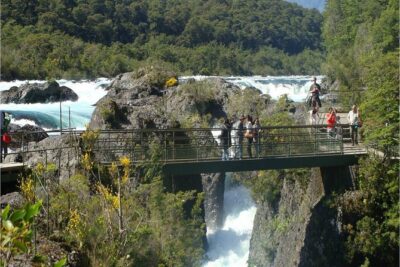
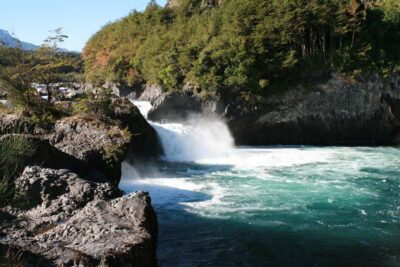
The next major stop is Saltos del Petrohué, a series of waterfalls and rapids in Vicente Pérez Rosales National Park. The water cuts through dark volcanic rock, and the surrounding forest gives the stop a strong sense of place.
You get about 40 minutes here. That is a useful amount of time for a walk and photographs, but it is not a long park visit. The admission fee is not included, and the stated price is US$9 per person. This is one of the small extras that can make the headline fare feel less complete, so budget for it before departure.
I think the falls are important because they break up the first road section with something immediate and dramatic. You do not need a long hike to see the attraction. The drawback is that wet weather can affect both visibility and comfort, and weather is a real factor throughout this route. Bring a light waterproof layer and shoes that can handle damp ground.
Two hours on Lago Todos los Santos
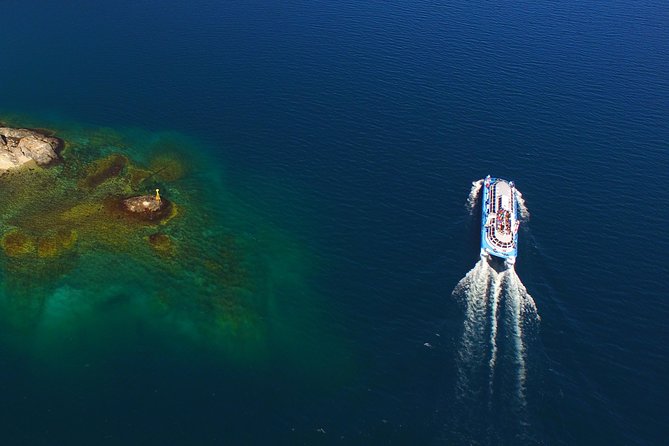
Lago Todos los Santos is the heart of the Chilean portion. The boat crossing takes about two hours, passing through emerald-colored water surrounded by hills and evergreen forest.
From the catamaran, you may see three snowy peaks: Mount Tronador, Osorno Volcano, and Puntiagudo. Waterfalls also appear along the route. When the weather cooperates, this is the sort of crossing that makes the long travel time feel worthwhile.
I would treat the boat ride as both transportation and the main viewing session. Find a place where you can move between an indoor area and the open deck. The outdoor views are better, but wind and rain can arrive quickly. A camera and binoculars are useful, especially because the area supports a range of birds and other wildlife.
The route does not promise perfect mountain views. Clouds can cover the volcanoes, and poor weather has reduced the spectacle for some people. Still, the crossing has value even under gray skies because the forest, water, and changing channels remain part of the experience.
A completely different kind of day out:
- Half-Day Small-Group Rafting Experience in Petrohué River
★ 5.0 · 144 reviews - Osorno Volcano and Petrohué Waterfalls
★ 4.5 · 136 reviews - From Puerto Varas: Osorno Volcano & Petrohue Falls Day Tour
★ 4.6 · 121 reviews - Puerto Montt: Osorno Volcano and Petrohué Falls Guided Tour
★ 4.5 · 104 reviews
Peulla is a quiet lunch stop, not a full tour
Peulla is a small ecological village recognized as one of Chile’s most sustainable locations. You spend about two hours here, and this is the planned place to eat.
Lunch is not included. The stated cost is about US$25 per person, and the setting has limited facilities, with the hotel and restaurant serving as the main focus of the stop. I would not count on a wide range of dining choices. If you have dietary needs, confirm how they will be handled before booking, since the available information does not provide a detailed menu.
Peulla works best as a pause between major crossings. You can eat, stretch your legs, and take in the quiet setting. It is not the place to expect a full village tour or a long list of independent activities. Tours in Peulla are also excluded from the price.
This is a good point to check your belongings and prepare for the next stage. Keep your passport, phone, medication, and essential documents in your carry-on rather than buried in the larger suitcase.
Puerto Frías brings the border into the itinerary
At Puerto Frías, you reach Lago Frías, the smallest of the three lakes on this route. Its green-turquoise color comes from glacial meltwater, giving it a different look from the broader lakes earlier in the day.
The stop lasts about 20 minutes, but its importance is greater than the short duration suggests. Chilean and Argentine border procedures take place here. This is not just another photo stop. You need the passport details requested at booking, including each person’s name, number, expiry date, and country of issue.
Port, migration, and national park fees are not included. The amounts can change according to decisions by the authorities in either country. That means the advertised fare should not be treated as the final possible cost.
Border control can also affect the schedule. Keep your documents easy to reach, listen closely to the guide, and avoid wandering away from the group during official procedures. The route is organized, but no tour operator controls every government checkpoint.
From the Frías River to Lago Nahuel Huapi
After the border area, the scenery shifts toward Argentina. The green waters of the Frías River meet the blue waters of Lago Nahuel Huapi, with native forest and Patagonian channels around them.
This transition is one of the route’s most interesting details. You are not only changing countries. You are watching the water systems and vegetation change as the journey moves toward Argentina’s Andean Patagonia.
Lago Nahuel Huapi is the largest and grandest final lake experience on the route. The area is known for sunsets, birds, and wildlife, including condors, eagles, and deer. Bring binoculars if you have them, and keep your camera ready, though sightings are never guaranteed.
You should also expect another scheduled boat or port transfer rather than a single uninterrupted ride. The appeal is the movement through the national park. The limitation is that the route gives you views from transport, not long independent walks beside the lake.
Puerto Pañuelo is the final port connection
Puerto Pañuelo is a passenger port within Nahuel Huapi National Park, about 25 kilometers from Bariloche. You have about an hour here as the journey shifts from lake travel toward the city.
This stop may feel more functional than scenic after the big lake crossings, but it is an important link in the route. It gives the group time to transfer and continue by road. Since this is a one-way journey, the port is part of the practical value: you are being carried through a connected chain of transport rather than having to arrange each segment yourself.
The day can feel long by this stage. Wear comfortable clothing, carry water, and use the stops to stretch. Food and drinks are not included, so you should plan for your own snacks in addition to the paid lunch.
Arriving in Bariloche after a day of mountains and water
San Carlos de Bariloche is the finish line and a destination in its own right. The city is known for Swiss-influenced architecture, barbecued meats, chocolate, museums, and its position among the mountains and lakes of Andean Patagonia.
The final stop is listed as about an hour, but this should not be read as a guided city tour. The journey ends in Bariloche, and accommodation there is not included. Before booking, make sure you have a clear plan for your arrival and lodging.
Bariloche changes character with the seasons. Winter brings snow activities such as skiing and snowboarding. Summer is suited to fishing, hiking, horseback riding, rafting, and mountain climbing. The surrounding options include the Short Circuit, the Seven Lakes, Pampa Linda, and Mount Tronador.
I like ending here because the crossing naturally introduces you to the region you may want to explore next. If Bariloche is only a stop before another destination, you still get a strong first look at its setting.
What the US$347 fare really covers
At US$347 per person, this is not a cheap transfer. The value comes from the complexity of the route. You receive a driver-guide, all land and lake transfers, and transport for one suitcase up to 23 kilograms plus one carry-on up to 10 kilograms.
You are paying to avoid arranging multiple buses, boats, ports, and border connections yourself. That can be worthwhile when your time is short or when you want guidance through a route that crosses two countries.
Still, budget beyond the fare for:
- Petrohué Waterfalls admission, listed at US$9
- Lunch in Peulla, about US$25
- Port, migration, and national park fees
- Food and drinks
- Any tours in Peulla
- Accommodation in Puerto Varas and Bariloche
One practical warning deserves attention. The pickup arrangement needs careful checking. One past experience involved walking about one kilometer from a hotel to the company office while handling luggage. If you are older, have mobility concerns, or are traveling with heavy bags, confirm the exact meeting point and luggage procedure before the day begins.
The activity is described as suitable for most people, but the repeated transfers and full-day schedule still require ordinary stamina. A maximum of 15 people is helpful, but it does not remove the walking and waiting involved.
Who should book this Andes crossing?
I would choose this route if you are short on time and want the journey between Chile and Argentina to feel like part of your holiday. It is especially well suited to people who enjoy scenic transport, mountain views, lakes, and a clear structure.
It also suits solo visitors and couples who would rather pay for an organized connection than piece together the route themselves. The small group, included luggage allowance, and driver-guide reduce some of the stress.
I would think twice if you want long walks, independent meals, flexible stops, or a late start. You should also be comfortable with weather changes and the possibility that clouds may hide the volcanoes. The scenery remains worthwhile, but the best views depend on conditions beyond anyone’s control.
Free cancellation is available if you cancel at least 24 hours before the 8:00 a.m. start time. Changes or cancellations inside that window are not accepted for a refund.
Should you book the Puerto Varas to Bariloche journey?
Book it if you want a memorable one-way transfer and can accept a long, tightly timed day. The waterfalls, emerald Lago Todos los Santos, glacial Lago Frías, border crossing, and Nahuel Huapi boat sections give you far more than a standard bus ride.
Skip it if your priority is low cost, flexible timing, or a leisurely visit to each stop. At US$347 before several extras, the price is easiest to justify when you value convenience and scenery together.
My practical advice is to reserve well ahead, especially since this experience is commonly booked around 70 days in advance. Confirm the meeting point, carry your passport and snacks where you can reach them, allow for lunch and government fees, and pack for wind and rain. If those details suit your plans, this is one of the more rewarding ways to cross from Puerto Varas to Bariloche.
FAQ
How long does the Puerto Varas to Bariloche journey take?
The journey lasts approximately 12 hours, with an 8:00 a.m. start time.
What transportation is used?
The experience uses both buses and boats, with all land and lake transfers included in the price.
Is lunch included?
No. Lunch in Peulla is not included and costs about US$25 per person.
Is admission to the Petrohué Waterfalls included?
No. Admission is listed at US$9 per person.
How much luggage can I bring?
The included allowance is one suitcase up to 23 kilograms and one carry-on up to 10 kilograms.
Where does the journey end?
The journey ends in San Carlos de Bariloche, Argentina. Accommodation in Bariloche is not included.
Just added in Puerto Varas
- Trekking Alerce Andino National Park in Puerto Varas★ 5.0 · 1 review
- Transfer from Puerto Varas to Puerto Montt Airport★ 5.0 · 2 reviews
- Puerto Varas: Half day Osorno Volcano tour★ 4.0 · 16 reviews
- Tour Frutillar★ 4.0 · 9 reviews
- Todos los Santos Lake and Villa Peulla Tour★ 4.5 · 28 reviews
- Premium Small-Group Half day Tour to Frutillar in Puerto Varas★ 5.0 · 2 reviews
- Full day Hiking Solitario trail, Osorno Petrohue Falls★ 5.0 · 7 reviews
- Puerto Varas: Half day, traditional city tour★ 3.5 · 3 reviews
Puerto Varas Tours, compared.
Shore Excursion: Petrohue Waterfalls, Frutillar & Puerto Varas
Read our review →
Full-Day Osorno Volcano and Petrohue Falls Small-Group Tour
Read our review →
Half-Day Small-Group Rafting Experience in Petrohué River
Read our review →
Browse the lists this tour appears in