
REVIEW · MUSEUMS
Museum of Memory and Human Rights Santiago Private Tour
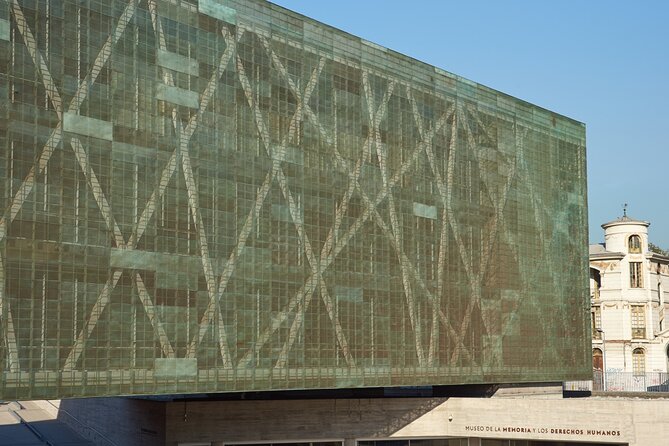
History here asks for your full attention. The Museum of Memory and Human Rights offers a powerful look at Chile under military rule from 1973 to 1990, while a private guide helps you follow the political and human stories behind the displays. I like the English-language guidance and the chance to explore at your group’s own pace. The main drawback is the subject matter: this is a serious, sometimes painful visit, not a light sightseeing stop.
The tour costs $90.11 per person and lasts about two hours, including the meeting time outside Hotel Barrio Yungay. I also like that it is private, with a limit of 1 to 20 people per guide. But value depends on your group size, since the per-person price may feel high for a two-hour museum visit if you are traveling alone.
In This Review
- Key points before you book
- Why this museum matters in Santiago
- Meeting at Hotel Barrio Yungay
- Following the museum’s chronological path
- Documents, videos, and personal stories
- What a private tour adds
- Pace, comfort, and the two-hour schedule
- Understanding the $90.11 price
- Who will appreciate this experience
- Booking and cancellation details worth knowing
- Should you book the Museum of Memory private tour?
- FAQ
- Where does the tour start?
- Should I enter Hotel Barrio Yungay for the meeting?
- How long does the tour last?
- Where does the tour end?
- Is museum admission included?
- Is the tour offered in English?
- Is this a private activity?
- What happens if my group has more than 20 people?
- Are food and drinks included?
- Can I cancel for a full refund?
Key points before you book
- A private English-speaking guide: Your guide explains Spanish-language displays, documents, videos, and personal stories as you move through the museum.
- A chronological route through Chile’s dictatorship: The exhibits begin with political context before the 1973 coup and continue through state repression and the return to democracy.
- Meeting point at Hotel Barrio Yungay: Meet outside at Santo Domingo 3080. Do not enter the hotel, since its staff is not connected with the tour.
- About two hours in total: The first 10 minutes are used for meeting and orientation, followed by about 1 hour and 50 minutes inside the museum.
- Free museum admission included: The price covers entry to the permanent collection, along with the private guide.
- A thoughtful, difficult visit: Video testimonies, letters, photographs, and personal belongings give the museum a personal human focus.
Why this museum matters in Santiago
The Museum of Memory and Human Rights is not simply a room of old photographs. It is a place built to preserve the experiences of people who suffered human rights violations during Chile’s military dictatorship between 1973 and 1990.
That context matters because the museum does not begin with isolated incidents. You first encounter the political setting before the 1973 coup, then follow a chronological presentation of what came after. This helps you understand how Chile moved from political crisis to military rule, repression, and eventually democracy.
I find that structure useful because the material could otherwise feel scattered. The museum connects official records with individual lives. Declassified documents show the machinery of power, while letters and personal belongings remind you that this history affected real families.
The tone is sober. You will see and hear accounts of suffering, and some exhibits may take more emotional energy than you expect. If you prefer to keep your Santiago sightseeing breezy, save this visit for a day when you have time to process it afterward.
More museums in Santiago:
- Tour to Valparaíso, Viña del Mar, Pablo Neruda Museum and Vineyard
★ 5.0 · 2,273 reviews - Carob, Vineyard Houses of the Forest and Museum Neruda Isla Negra
★ 5.0 · 260 reviews - Santiago: Full-Day Neruda’s Route Tour, include entraces to museums
★ 5.0 · 4 reviews
Meeting at Hotel Barrio Yungay
The tour begins in front of Hotel Barrio Yungay at Santo Domingo 3080, in Santiago’s Región Metropolitana. The meeting itself is planned for about 10 minutes, so arrive with enough time to find the address without rushing.
One practical detail is easy to miss: do not go inside the hotel. It is only the meeting point, and the hotel staff is not informed about the tour. If you need help finding your guide, check your email the day before for the operator’s latest instructions rather than asking hotel employees.
The location is near public transportation, which makes it practical to reach from other parts of Santiago. The provided information does not identify a specific station or route, so I would confirm your transit plan before leaving your accommodation.
Once your guide has gathered the group, the tour continues to the museum. The listed timing allows roughly 1 hour and 50 minutes for the museum portion. That is enough for a guided introduction and a steady visit, but it is not an entire afternoon of unhurried museum study.
Following the museum’s chronological path
The museum’s main strength is its clear order. You begin with Chile’s political situation before the coup, then move through the period of military rule and its effect on civil rights. This framework gives the documents and testimonies a place in the wider story.
A private guide can make a real difference here. Many displays are in Spanish, so an English-speaking guide can explain the text, point out important connections, and help you understand what you are seeing without stopping to translate every panel.
The guide also gives you room to ask questions. In a private group, you can pause when a photograph or document raises a question, or move on when a section becomes emotionally heavy. That flexibility is harder to get in a large scheduled group.
The tour description promises historical facts and anecdotes about Santiago’s landmarks, along with practical suggestions for other things to do in the city. The central focus remains the museum, though, so do not expect a broad city tour packed with unrelated attractions.
Documents, videos, and personal stories
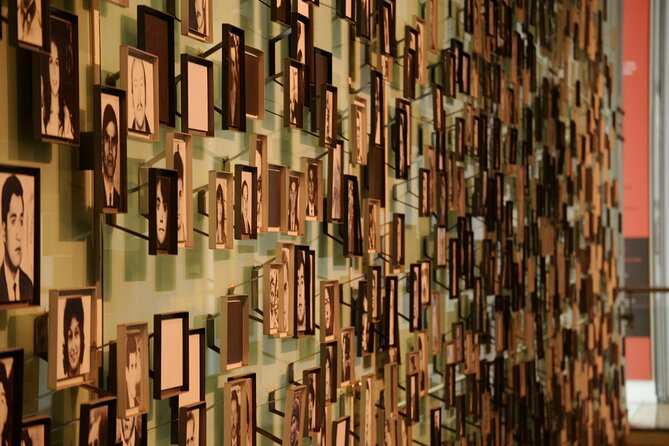
The exhibits use several kinds of material, and that variety keeps the visit from becoming a simple wall of text. You can expect photographs, declassified documents, multimedia presentations, video testimonies, letters, and personal possessions connected with people who lived through state repression.
Each format does a different job. Official records help explain what happened at an institutional level. Letters and belongings bring the story closer to everyday life. Video testimonies add the voices of people who endured the period themselves.
The personal material is likely to be the most affecting. A name, a letter, or an ordinary object can make a large political story feel immediate. You may want to take the visit slowly rather than race from display to display.
The museum covers difficult material, and a guide’s role is not only to provide facts. A good guide helps you understand the transition from autocracy to democracy without turning the visit into a lecture. Aldo, the guide specifically praised in the available feedback, was noted for thoughtful discussion of that transition and for adding useful context to the museum.
Guide quality is important here because the material can speak for itself, but context helps you read it. If your assigned guide is Aldo, you can expect the kind of careful historical discussion that made his work particularly memorable. Guide assignments can change, so the tour does not guarantee a particular person.
More things to do in Santiago:
- Valparaiso Port and Viña del Mar with Casablanca Wine Tasting
★ 5.0 · 6,110 reviews - Santiago: Cajon del Maipo/Embalse del Yeso Tour with Picnic
★ 4.3 · 3,789 reviews - Santiago: Vina Del Mar, Valparaiso, Casablanca & Reñaca Tour
★ 4.2 · 2,838 reviews - Cable Car, Funicular and Sightseeing Bus in Santiago one day
★ 5.0 · 2,325 reviews
What a private tour adds
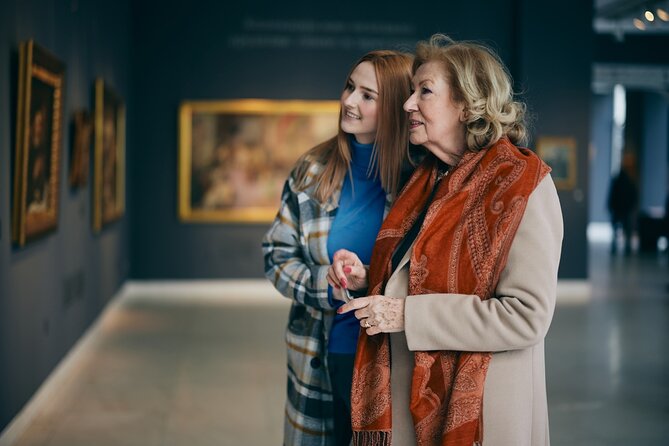
A private tour is most useful when you want conversation rather than a fixed script. You travel only with your own group, and the activity allows between 1 and 20 people per guide. Larger parties require additional guides and cost more.
For two people, $90.11 each is a noticeable spend. You are paying for an English-speaking licensed guide, private attention, and museum entry, not just admission. That can be good value if the history is central to your Santiago visit and you want help with Spanish-language material.
For a family or group of friends, the arrangement may make more sense. You can share the guide’s attention, ask questions that interest your group, and avoid being tied to the pace of strangers. Group discounts are available, though the exact savings are not provided.
If you already read Spanish comfortably and prefer to explore museums alone, you may not need this format. The museum’s permanent collection is the core attraction, and an independent visit could be a better fit for someone who wants more time with selected displays.
Pace, comfort, and the two-hour schedule
This is described as a moderately paced activity. You should wear comfortable shoes and be ready for changing weather, since the tour operates rain or shine.
The walking demands do not appear extreme, but you will be on your feet for much of the experience. Comfortable footwear is sensible, especially if you are also using public transportation or sightseeing before and after the tour.
The two-hour schedule gives the visit a firm shape. The 10-minute meeting period is followed by about 1 hour and 50 minutes at the museum, with the tour ending back at the original meeting point.
That return arrangement is convenient when you are planning the rest of your day. It also means you should not book a tight connection immediately afterward. The museum visit deals with serious material, and you may want a few quiet minutes before moving on.
Food and drinks are not included. Plan to eat before or after the tour, rather than expecting refreshments during the visit.
Understanding the $90.11 price
At $90.11 per person, this is not the cheapest way to see a museum. The price becomes easier to justify if you place a high value on English explanations, private attention, and a guide who can connect the displays to Chile’s move from military rule to democracy.
The included admission helps, but the main expense is the guide service. You are buying interpretation and conversation, which are especially useful when many displays are in Spanish. One English-language assessment singled out this point, noting that the guide made the museum more worthwhile because of the language barrier.
The value is strongest for first-time visitors to Santiago who want a serious introduction to the country’s recent past. It is also a reasonable choice for a group that wants to discuss the material together instead of quietly reading alone.
I would be more cautious if you are traveling solo on a tight budget. A $90.11 charge for two hours is a substantial part of a day’s spending. You should also check the final group pricing if you are booking for more than 20 people, since additional guides increase the cost.
Who will appreciate this experience
I would recommend the tour to you if you:
- Want to understand Chile beyond its food, scenery, and historic center.
- Prefer an English-speaking guide for Spanish-language museum displays.
- Value the ability to ask questions and set the pace for your own group.
- Have an interest in human rights, political history, or Chile’s return to democracy.
- Are comfortable visiting a museum with painful and serious subject matter.
- Want a focused two-hour activity rather than a full-day excursion.
You may prefer an independent museum visit if you read Spanish well, like to spend long periods with individual exhibits, or need the lowest possible entry cost.
Families can consider the tour, but the subject is not suitable for every child. The activity information says most people can participate, but it does not provide a specific age recommendation. If you are traveling with children, think about their ability to handle accounts of repression before booking.
The tour can accommodate people with disabilities whenever possible, but you should contact Rosotravel in advance to discuss specific needs. That is better than assuming the standard arrangement will meet every requirement.
Booking and cancellation details worth knowing
Confirmation is provided when you book. You should also check your email the day before the tour for important instructions from Rosotravel, the operator.
Free cancellation is available if you cancel at least 24 hours before the local start time. Cancellations made less than 24 hours in advance are not refunded, and changes inside that period are not accepted.
Because the activity runs in all weather, bring clothing suited to the forecast. The museum visit itself is the main event, but getting to and from the meeting point still requires outdoor travel.
Should you book the Museum of Memory private tour?
Book it if you want a focused, respectful introduction to Chile’s recent past and would benefit from an English-speaking guide. The strongest reasons are the private format, the carefully ordered exhibits, and the personal material that turns political history into individual human stories.
I especially like the way the tour handles a museum where language and context matter. Aldo’s thoughtful explanation of Chile’s shift from autocracy to democracy shows what a strong guide can add, although no particular guide is guaranteed.
Skip it if you want a casual sightseeing stop, dislike emotionally difficult museums, or are watching every dollar. At $90.11 per person, this is a specialist experience, not a bargain attraction.
For many visitors, though, it is time well spent. Santiago offers plenty of pleasant places to wander, but this museum helps you understand the country you are visiting. Go with comfortable shoes, an open mind, and enough time afterward to reflect.
FAQ
Where does the tour start?
The tour starts in front of Hotel Barrio Yungay at Santo Domingo 3080, 8350389 Santiago, Región Metropolitana, Chile.
Should I enter Hotel Barrio Yungay for the meeting?
No. The hotel is only the meeting point, and its staff is not informed about the tour. Meet your guide outside.
How long does the tour last?
The activity lasts approximately two hours. About 10 minutes are allocated to meeting the guide, followed by approximately 1 hour and 50 minutes at the museum.
Where does the tour end?
The tour ends back at the original meeting point outside Hotel Barrio Yungay.
Is museum admission included?
Yes. Entry to the permanent collection of the Museum of Memory and Human Rights is included.
Is the tour offered in English?
Yes. The tour is offered in English with a licensed guide fluent in the chosen language.
Is this a private activity?
Yes. Only your group participates. The attraction limits each guide’s group to between 1 and 20 people.
What happens if my group has more than 20 people?
Additional guides are arranged for larger groups, and the price will be higher.
Are food and drinks included?
No. Food and drinks are not included in the tour price.
Can I cancel for a full refund?
Yes, if you cancel at least 24 hours before the experience’s local start time. Cancellations made less than 24 hours before the start time are not refunded.
Just added in Santiago
- Walking City Tour with Funicular, Cable Car and Tasting★ 4.3 · 6 reviews
- VIÑA DEL MAR AND VALPARAISO TOUR★ 4.8 · 20 reviews
- Tour VIÑA CONCHA Y TORO + CASA MARQUES – Chile, from Santiago.★ 5.0 · 2 reviews
- Undurraga + Isla Negra + San Afonso del Mar —– Full day★ 4.1 · 8 reviews
- Undurraga Wine tour★ 4.2 · 15 reviews
- Southcoast – Private Full-Day tour★ 5.0 · 6 reviews
- Private Casa Blanca Valley Wine Experience from Santiago★ 4.5 · 8 reviews
- Santiago Private walking tour with Lunch★ 5.0 · 5 reviews
Museums, compared.

Tour to Valparaíso, Viña del Mar, Pablo Neruda Museum and Vineyard
Read our review →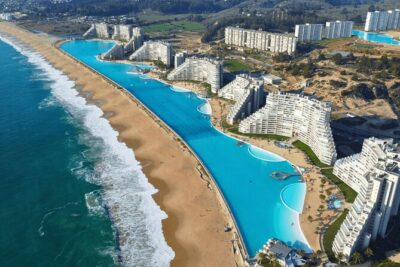
Carob, Vineyard Houses of the Forest and Museum Neruda Isla Negra
Read our review →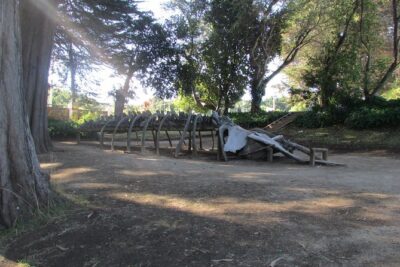
Tour around Biobío River Estuary & Pedro del Río Zañartu Museum
Read our review →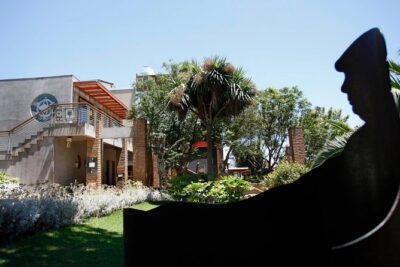
Full-Day Neruda’s Route Tour, include entraces to museums
Read our review →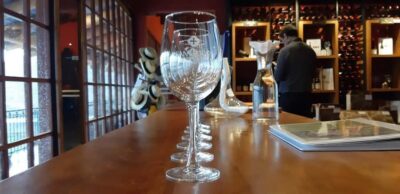
Valparaiso & Viña Del Mar, Museum & Lunch FROM STGO. Private Tour
Read our review →
Private Santiago Museum Tour with Lunch at Central Market
Read our review →Browse the lists this tour appears in