REVIEW · SANTIAGO TOURS
Memory Tour in Santiago de Chile
Some places ask you to slow down. Santiago’s Memory Tour does exactly that, tracing Chile’s dictatorship-era past through the Museum of Memory and Human Rights, the National Stadium, and Villa Grimaldi. I like the clear three-stop design, which gives you a strong sense of place without turning the visit into a long, unfocused day. I also like that private transport keeps the group together and makes the route practical.
The main consideration is the price: $178.35 per person for about four hours is a serious spend, especially for a short tour. This is also not light sightseeing. The subject includes detention, torture, and human rights violations, so you should book it for careful learning and reflection, not for a cheerful afternoon outing.
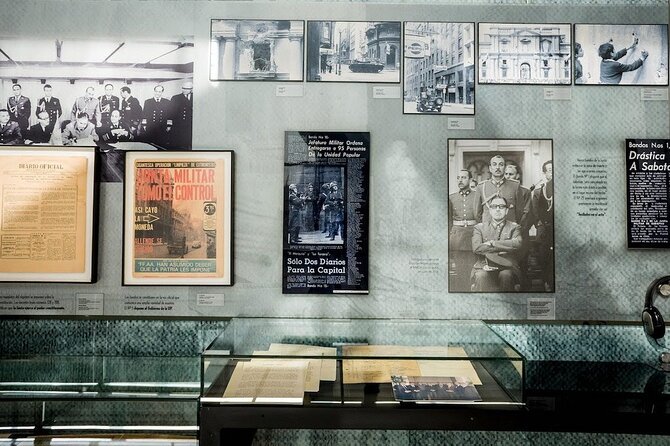
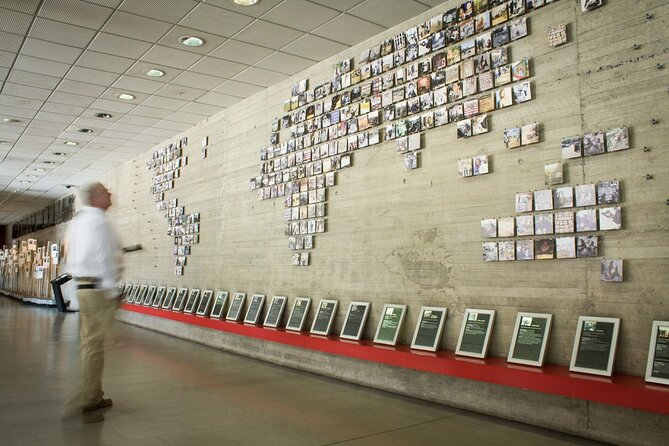
- The Museum of Memory opens the tour with personal stories, photos, and testimony from the Pinochet dictatorship.
- The National Stadium connects Chilean sporting pride with its use as a detention site after the 1973 coup.
- Villa Grimaldi closes the route at a former detention center now dedicated to peace and human dignity.
- Private transportation makes a three-part Santiago route easier to manage in four hours.
- A professional guide adds context and answers questions throughout the experience.
- Free cancellation is available up to 24 hours before the 12:00 pm start.
In This Review
- Why This Santiago Tour Matters
- Starting at Constitución 153 at Noon
- The Museum of Memory and Human Rights
- The National Stadium and Its Two Identities
- Villa Grimaldi and Parque por la Paz
- What the Four-Hour Schedule Really Means
- Private Transportation and Group Size
- Is $178.35 Per Person a Fair Price?
- Who Should Book This Experience?
- Booking, Cancellation, and Practical Details
- Should You Book the Memory Tour?
- FAQ
- Where does the Memory Tour begin?
- What time does the tour start?
- How long does the tour last?
- Where does the tour end?
- Is this a private tour?
- What transportation is included?
- Which places does the tour visit?
- Are admission tickets included?
- Can I cancel for a full refund?
Why This Santiago Tour Matters
Many city tours show you what Santiago looks like. This one asks you to understand what happened here. Its focus is Chile’s period under the military dictatorship of Augusto Pinochet, from 1973 to 1990, and the human cost recorded at each site.
The route works because each stop has a different role. The Museum of Memory gives you documents and personal accounts. The National Stadium links national identity, sport, and political repression. Villa Grimaldi offers a quieter memorial setting where the focus turns toward remembrance and human dignity.
I appreciate that the experience does not treat these places as ordinary attractions. The stated purpose is to honor the past and encourage respect for human rights. That makes the guide especially important. You are not simply being driven from one address to another. The guide helps explain why each place matters and gives you room to ask questions.
One published rating describes the tour as one of the best experiences that person had taken, with particular praise for the guide’s command of the subject and willingness to answer questions. That is useful here. A tour about painful history depends on clear, respectful explanation. The guide’s role can make the difference between a meaningful visit and a hurried series of stops.
Starting at Constitución 153 at Noon
The tour begins at Constitución 153 in Providencia at 12:00 pm. The activity ends back at the same meeting point, which makes planning your day simpler. You do not need to arrange a separate return from the final memorial.
Because this is a private tour, only your group participates. That gives the experience a more personal shape than a large coach outing. You can ask questions as they arise, and the guide can respond to the interests and pace of your group.
Private transport is included. That matters because the three locations are spread across Santiago rather than gathered in one walkable district. During a four-hour outing, time spent handling transfers can otherwise eat into your visits.
A small practical note: confirmation arrives when you book, and the exact meeting arrangements and schedule follow the option you choose. The stated start time is noon, so check your booking details before setting out. Snacks are included, but extras not specifically listed are not.
More things to do in Santiago:
- Valparaiso Port and Viña del Mar with Casablanca Wine Tasting
★ 5.0 · 6,110 reviews - Santiago: Cajon del Maipo/Embalse del Yeso Tour with Picnic
★ 4.3 · 3,789 reviews - Santiago: Vina Del Mar, Valparaiso, Casablanca & Reñaca Tour
★ 4.2 · 2,838 reviews
The Museum of Memory and Human Rights
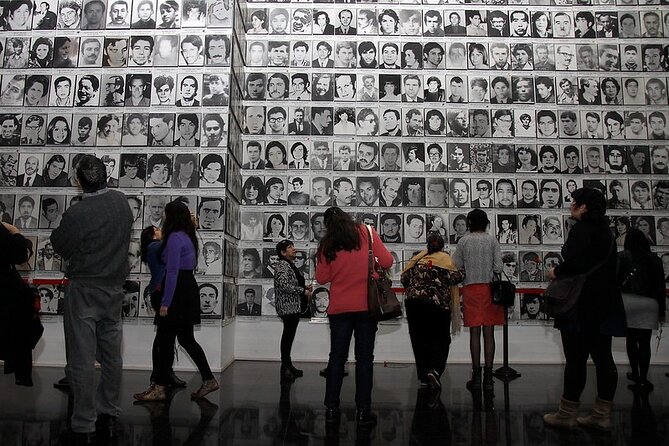
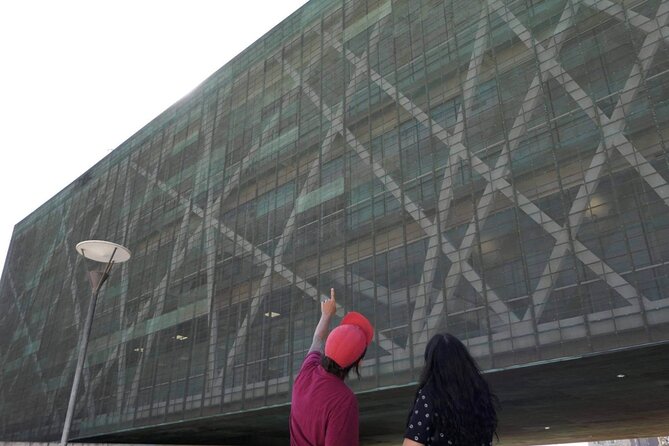
The first stop is the Museum of Memory and Human Rights, with admission included and about 30 minutes scheduled for the visit. Opened in 2010, the museum honors people affected by human rights violations during the 1973 to 1990 dictatorship.
The museum uses photographs, testimony, and other records to put individual lives at the center of the story. That approach matters. Political events can feel distant when they are reduced to dates and names. Personal accounts show how large events affected real families and communities.
Thirty minutes is enough for an introduction, but it is not enough for every display. I would treat this as a focused visit guided by the tour’s broader theme, rather than a full museum day. The guide can help you understand the main points and connect the material with the two locations that follow.
This is likely to be the most emotionally demanding part of the route for some people. The museum’s subject is not softened. You may encounter difficult accounts and images connected to persecution and abuse. That is part of its purpose, but it also means you should arrive ready to pay attention and take the material seriously.
The published feedback gives this stop special weight, describing the museum as an unforgettable experience. I can understand why. It is the point where the tour moves from general historical context to human stories. If you want only scenic views or easy entertainment, this will not be the right Santiago activity. If you want to understand Chile beyond its food, neighborhoods, and mountain views, it offers important context.
The National Stadium and Its Two Identities
The second stop is Estadio Nacional Julio Martínez Prádanos in the Ñuñoa district. About 30 minutes are scheduled, and admission is included.
The stadium opened in 1938 and is Chile’s largest and most iconic stadium. It hosted major sporting events, including the 1962 FIFA World Cup final. Those facts explain its place in national life, but the tour also asks you to remember a darker chapter.
After the military dictatorship began in 1973, the National Stadium was used as a detention site. The same place associated with sport and national pride also became connected with political imprisonment. That contrast gives the stop its power.
You may find this visit less visually self-explanatory than the museum. A stadium can look like a stadium unless the guide explains what happened there and points out why the site carries such weight. This is one reason the private format helps. You have a chance to ask about the stadium’s two identities instead of simply taking a quick photograph and moving on.
The 30-minute schedule keeps the route moving, but it also limits how long you can linger. I would listen closely here, since the meaning of the site comes from its historical context as much as from what you see.
Villa Grimaldi and Parque por la Paz
The final stop is Parque por la Paz Villa Grimaldi, with about 30 minutes scheduled and admission included. Villa Grimaldi once operated as a secret detention and torture center during the 1973 to 1990 dictatorship. Today, it is a memorial site focused on peace and human dignity.
This ending gives the route a different tone. The museum presents evidence and testimony. The stadium shows how a public national venue was used for repression. Villa Grimaldi brings you to a memorial space created to honor those who suffered and to promote a more humane future.
The name Parque por la Paz, or Peace Park, signals that purpose. The visit is not only about recording what took place. It is also about deciding what should be remembered and what values should guide the future.
As with the museum, this stop may be difficult. The history includes detention and torture, and you should not expect a casual park visit. The setting may feel quieter than the other stops, but quiet does not mean easy. Give yourself time to listen and reflect.
Thirty minutes is a brief window for a place with such weight. Still, as the final stop, it provides a clear closing point. You finish with the route’s central message in view: remembrance is connected to respect for human rights.
A completely different kind of day out:
- Cable Car, Funicular and Sightseeing Bus in Santiago one day
★ 5.0 · 2,325 reviews - Small-Group Cajón del Maipo Full-Day Tour and Picnic
★ 4.5 · 2,277 reviews - Tour to Valparaíso, Viña del Mar, Pablo Neruda Museum and Vineyard
★ 5.0 · 2,273 reviews - Maipo Valley Wine Tour with 4 vineyards from Santiago.
★ 5.0 · 1,983 reviews
What the Four-Hour Schedule Really Means
The tour is advertised at approximately four hours, but the three named visits account for about 90 minutes in total. The remaining time covers transportation, introductions, explanation, and the movement between locations.
That is a sensible structure for a private half-day experience. You see three significant places without spending an entire day on one subject. At the same time, you should set your expectations correctly. This is an overview with guided context, not an exhaustive study of each site.
The schedule also means the guide has to manage time well. A strong visit requires enough explanation to make each location meaningful, while still leaving you time to look and think. The available feedback praises the guide’s ability to explain the subject and answer questions, which is encouraging.
If your group tends to ask many questions, you may want to keep them focused. Ask about the meaning of each site, the connection between the locations, and the events that shaped their role. That will help you get the most from a short schedule.
Private Transportation and Group Size
Private transportation is one of the practical strengths of this experience. You avoid arranging separate rides between Providencia, the museum, Ñuñoa, and Villa Grimaldi. You also return to Constitución 153 at the end.
The private format means your group is not combined with strangers. That can make a major difference on a serious tour. You can pause for clarification, discuss a point quietly, and adjust the conversation to your group’s interests.
The tour also offers group discounts, though the available information does not state the discount amount. If you are traveling with several people, check the final booking price rather than assuming the per-person rate will remain unchanged.
Most travelers can participate, according to the stated tour information. No special participation limits are listed. Still, the emotional subject is worth considering alongside physical practicality. If someone in your group may find accounts of detention or torture especially upsetting, discuss that before booking.
Is $178.35 Per Person a Fair Price?
At $178.35 per person, this is not a bargain city tour. The value comes from the private structure, transportation, professional guide, included admissions, and the subject’s depth.
For a solo visitor, the price may feel hard to justify for four hours. For a private group, the calculation can look better, especially if group discounts apply. You are paying for more than entry to three sites. You are paying for a guided connection between them and for transport that removes much of the day’s planning work.
The price is easier to defend if Chilean history and human rights are central to your trip. It is harder to defend if you are simply looking for a general introduction to Santiago. This route does not try to cover the city’s architecture, food, markets, or viewpoints. Its value depends on how much you want to give your time to this subject.
Snacks are included, and mobile ticketing adds convenience. Those are useful extras, but they do not determine the price. The real question is whether a private, guided visit to these three sites fits your priorities.
Who Should Book This Experience?
I would recommend this tour to you if you want a serious account of Chile’s recent past and prefer visiting places connected directly to the events being discussed. It suits visitors who ask questions, listen carefully, and are willing to spend an afternoon with difficult material.
It can also work well for a private family or friend group with a shared interest in history, politics, remembrance, or human rights. The private format lets the guide shape the discussion for your group rather than delivering a fixed speech to a large crowd.
I would not choose it for a first-hour orientation to Santiago, a relaxed family outing, or a tour built around photo opportunities. The route is emotionally weighty, and the short visits require concentration.
Bring a respectful attitude, comfortable clothing, and an open schedule around the four-hour block. The included snacks are helpful, but the main preparation is mental. Read the route’s description before booking so nobody in your group is surprised by the subject.
Booking, Cancellation, and Practical Details
The experience starts at noon and returns to the original meeting point. Your confirmation arrives at booking, and mobile ticketing is available.
Free cancellation applies when you cancel at least 24 hours before the local start time. Cancellations made less than 24 hours before the start are not refunded, and changes inside that window are not accepted. That rule matters if your Santiago plans are still uncertain.
The provider is Tangol. The tour includes a professional guide, private transportation, admission to the three listed stops, and snacks. Extras not specifically described are not included, so check the final booking details if you need anything beyond those items.
Should You Book the Memory Tour?
Book it if you want to confront an important part of Chile’s past with a guide and private transport. The route is focused, purposeful, and well suited to a visitor who wants more than surface-level sightseeing.
Skip it if you need a light activity or if $178.35 per person feels too high for a four-hour tour. The schedule is compact, and each stop deserves attention. Still, the combination of the Museum of Memory, National Stadium, and Villa Grimaldi creates a clear and meaningful route through Santiago’s memory of dictatorship and human rights.
For the right audience, this is not just another stop on a city schedule. It is a chance to understand why these places matter.
FAQ
Where does the Memory Tour begin?
The tour begins at Constitución 153, 7520360 Providencia, Región Metropolitana, Chile.
What time does the tour start?
The stated start time is 12:00 pm.
How long does the tour last?
The experience lasts approximately four hours.
Where does the tour end?
The tour ends back at the meeting point.
Is this a private tour?
Yes. Only your group participates in the activity.
What transportation is included?
Private transportation is included.
Which places does the tour visit?
The route visits the Museum of Memory and Human Rights, Estadio Nacional Julio Martínez Prádanos, and Parque por la Paz Villa Grimaldi.
Are admission tickets included?
Yes. Admission is included for each of the three listed stops.
Can I cancel for a full refund?
Yes, if you cancel at least 24 hours before the experience’s start time. Cancellations made less than 24 hours before the start are not refunded.
Just added in Santiago
- Walking City Tour with Funicular, Cable Car and Tasting★ 4.3 · 6 reviews
- VIÑA DEL MAR AND VALPARAISO TOUR★ 4.8 · 20 reviews
- Tour VIÑA CONCHA Y TORO + CASA MARQUES – Chile, from Santiago.★ 5.0 · 2 reviews
- Undurraga + Isla Negra + San Afonso del Mar —– Full day★ 4.1 · 8 reviews
- Undurraga Wine tour★ 4.2 · 15 reviews
- Southcoast – Private Full-Day tour★ 5.0 · 6 reviews
- Santiago Private walking tour with Lunch★ 5.0 · 5 reviews
- Zapallar : nature, sea and local flavours★ 5.0 · 6 reviews
Santiago Tours, compared.
Valparaiso Port and Viña del Mar with Casablanca Wine Tasting
Read our review →
Cajon del Maipo/Embalse del Yeso Tour with Picnic
Read our review →
Vina Del Mar, Valparaiso, Casablanca & Reñaca Tour
Read our review →
Cable Car, Funicular and Sightseeing Bus in Santiago one day
Read our review →
Small-Group Cajón del Maipo Full-Day Tour and Picnic
Read our review →
Tour to Valparaíso, Viña del Mar, Pablo Neruda Museum and Vineyard
Read our review →
Maipo Valley Wine Tour with 4 vineyards from Santiago.
Read our review →