REVIEW · SANTIAGO TOURS
Learning and Initiation in the Autobalance Team in Vitacura
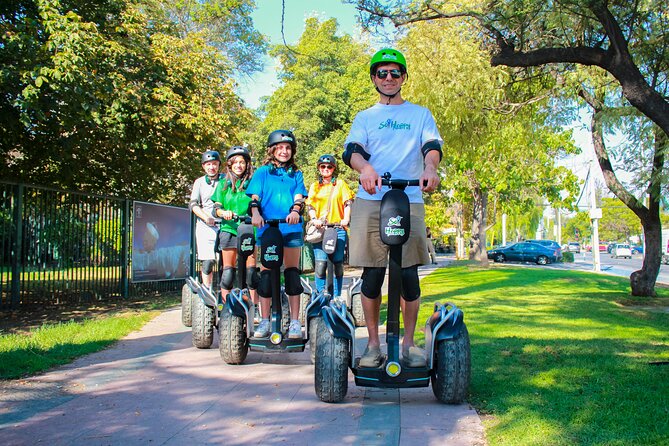
A city ride with a quick learning curve. This 45-minute outing combines a patient introduction to self-balancing equipment with a short tour along Avenida Américo Vespucio in Vitacura. I like the careful 15-minute lesson, especially for first-timers, and I like that the route includes stops at local sculptures rather than simply circling the same block. The main thing to consider is the short duration: you will learn the equipment and see part of Vitacura, but this is an introduction, not a full city tour.
The $45 price feels reasonable if you want a guided first ride and prefer an unusual way to see the area. The small group limit of six should make instruction easier, while the need for moderate physical fitness means this is not quite a sit-back sightseeing trip. Good weather is also required, so keep the schedule a little flexible.
In This Review
- Key points to know before you book
- Why this short Vitacura ride is worth considering
- Starting at El Arcángel 5148
- The first 15 minutes: learning the equipment
- Along Avenida Américo Vespucio in Vitacura
- Sculpture stops that give the route a purpose
- Returning to the same meeting point
- Is $45 a fair price?
- Who will enjoy this experience most?
- Timing, weather, and cancellation details
- Should you book the Vitacura Autobalance experience?
- FAQ
- Where does the experience start?
- Where does the experience end?
- How long does the experience last?
- Is the experience offered in English?
- How many people can join?
- Do I need a certain level of fitness?
- Can I cancel for a full refund?
- What happens if bad weather cancels the activity?
Key points to know before you book
- A 15-minute equipment lesson gives beginners time to learn how to mount and control the self-balancing device.
- Avenida Américo Vespucio in Vitacura provides the main setting for the approximately 30-minute ride.
- Sculpture stops add a local touch, giving the outing more purpose than a simple equipment demonstration.
- Groups are limited to six people, a useful feature when you need personal guidance.
- The experience is offered in English and starts and ends at El Arcángel 5148.
- Moderate fitness is required, and poor weather can lead to a new date or a refund.
Why this short Vitacura ride is worth considering
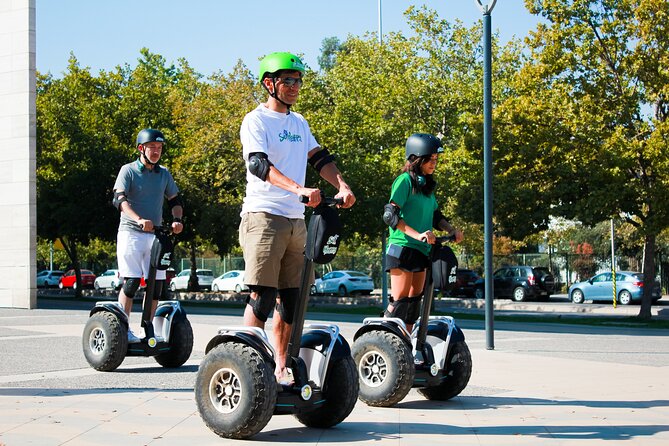
Vitacura is one of Santiago’s more polished districts, and this experience gives you a practical way to move through it without committing to a long sightseeing program. You are not signing up for several hours of museums, meals, and transfers. Instead, you get a compact introduction to self-balancing equipment followed by a guided outing on one of the district’s main avenues.
That format works well if you have limited time in Santiago, want an activity between larger excursions, or simply enjoy trying a different form of city transport. The route is long enough to let you practice, but short enough that you are unlikely to feel trapped if the equipment is not your thing.
I especially like the balance between instruction and movement. Some activities hand you unfamiliar equipment and send you off after a rushed safety talk. Here, the first 15 minutes are set aside to explain the equipment in detail and teach you how to occupy it. That extra attention matters. A self-balancing device can look difficult at first, but the available experience suggests that beginners can learn it with patient guidance.
More things to do in Santiago:
- Valparaiso Port and Viña del Mar with Casablanca Wine Tasting
★ 5.0 · 6,110 reviews - Santiago: Cajon del Maipo/Embalse del Yeso Tour with Picnic
★ 4.3 · 3,789 reviews - Santiago: Vina Del Mar, Valparaiso, Casablanca & Reñaca Tour
★ 4.2 · 2,838 reviews
Starting at El Arcángel 5148
Your meeting point is El Arcángel 5148 in Vitacura, in the Santiago Metropolitan Region. The activity returns to this same location, which keeps the logistics simple. You do not need to arrange a second pickup point or work out how to get back from another neighborhood.
The meeting point is near public transportation, another practical advantage in a large city. Still, you should allow enough time to arrive calmly. Since the lesson begins at the starting point, showing up late could cut into the part of the experience that helps you feel comfortable on the equipment.
The small maximum group of six is one of the better features here. For a standard walking tour, a large group may be manageable. For a balance-based activity, it is more important that the guide can watch what each person is doing. If you wobble, hesitate, or need the controls explained again, a small group gives the guide a better chance to help.
The first 15 minutes: learning the equipment
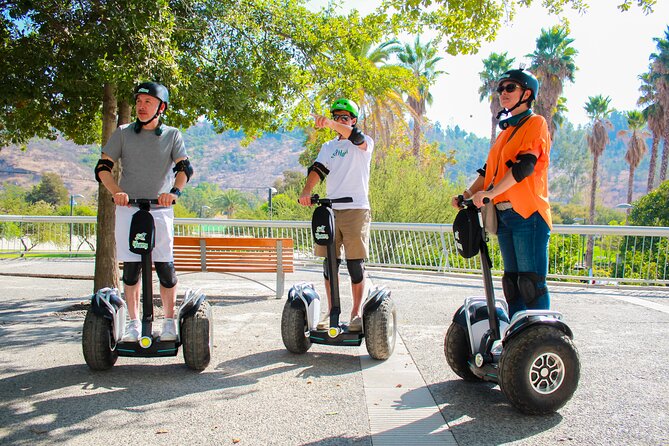
The opening lesson is the heart of the experience for anyone who has never used self-balancing equipment. You are told about the equipment in detail and shown how to occupy it. The wording may sound simple, but this is where the value of the activity is made or lost.
The strongest praise for this part centers on patience. The guides are described as friendly, attentive, and precise, with enough patience to make the equipment feel easier than it first appears. That is useful information for anyone who is nervous about trying it. You do not need to arrive already knowing how to balance or steer.
I would treat the lesson as more than a formality. Pay attention to how you step onto the equipment, how you shift your weight, and how you slow down. The supplied information does not describe the exact model or control system, so you should follow the guide’s directions rather than rely on assumptions from using another device.
The instruction also gives you a chance to decide how comfortable you feel before the route begins. If you need another explanation, ask during these first 15 minutes. It is much better to sort out basic control here than once you are moving along the avenue.
This is also why the moderate fitness requirement matters. You are not expected to complete a strenuous workout, but you should be able to stand, balance, and remain engaged for the activity. The equipment may make movement easier than walking a long distance, yet you still need enough physical control to use it safely.
Along Avenida Américo Vespucio in Vitacura
After the introduction, the group takes a short tour along Avenida Américo Vespucio. The ride lasts approximately 30 minutes, including stops, and returns to the original meeting point.
This is a modest route, so set your expectations correctly. You are not covering all of Santiago or visiting a long list of major sights. The appeal is the combination of local movement, guided practice, and a different view of Vitacura. You get to use the equipment in a real urban setting instead of learning it only in a stationary area.
The avenue gives the outing a clear structure. Rather than wandering without a plan, you follow a route that lets you continue practicing while taking in the district. The guide remains nearby to help with the equipment and keep the group together.
You may find this more entertaining than a conventional short walking tour because the ride itself becomes part of the sightseeing. At the same time, the equipment requires attention. You will not be able to stare at every building or take photographs constantly while you are learning to control your movement. If you want detailed architecture commentary or long stops for pictures, this experience may feel too active and too brief.
A completely different kind of day out:
- Cable Car, Funicular and Sightseeing Bus in Santiago one day
★ 5.0 · 2,325 reviews - Small-Group Cajón del Maipo Full-Day Tour and Picnic
★ 4.5 · 2,277 reviews - Tour to Valparaíso, Viña del Mar, Pablo Neruda Museum and Vineyard
★ 5.0 · 2,273 reviews - Maipo Valley Wine Tour with 4 vineyards from Santiago.
★ 5.0 · 1,983 reviews
Sculpture stops that give the route a purpose
The tour pauses at several points featuring beautiful sculptures. No individual sculpture names or detailed descriptions are provided, so you should not book this expecting a formal art tour with extensive background on each work.
Still, these stops make a real difference. They break up the ride, give you moments to look around, and add a small cultural element to the activity. Without them, the outing could feel like a simple equipment trial. With them, the route becomes a short introduction to public art in Vitacura.
The available information also indicates that the guides can share some history. That suggests the stops may offer more context than a quick photo pause, though the exact amount of commentary can vary. If you enjoy connecting public art with a neighborhood’s identity, listen closely when the guide explains what you are seeing.
I would think of the sculpture stops as highlights rather than a complete art itinerary. They give the ride character, but the main focus remains learning and using the self-balancing equipment.
Returning to the same meeting point
The activity ends back at El Arcángel 5148. This is convenient if you have another plan in Santiago, because you are not left at an unfamiliar endpoint.
The total duration is approximately 45 minutes. The first 15 minutes are devoted to instruction, and the remaining 30 minutes are used for the route and stops. That split is important when judging value. You are paying for a guided introduction plus a short neighborhood outing, not 45 minutes of continuous sightseeing.
For some people, this compact format will be ideal. You can fit it into a morning or afternoon without giving up an entire day. Families may also appreciate the manageable length, especially if younger participants are curious about the equipment but may not enjoy a long tour.
The short format may disappoint you if you already know how to use this type of device and want a longer ride. In that case, much of the opening lesson may cover familiar ground. The experience is aimed more clearly at beginners than experienced users.
Is $45 a fair price?
At $45 per person, this is not the cheapest way to see Vitacura. You could walk the area for free, and a standard public transport ride would cost far less. The price needs to be judged against the instruction, guide support, equipment, and small group size.
For a first-time user, I think the fee can make sense. You are not merely renting a device and trying to figure it out alone. You receive an explanation, a controlled introduction, and a guided route with cultural points along the way. That reduces the uncertainty that often comes with unfamiliar equipment.
The value is strongest when you want a memorable activity rather than the largest possible number of sights. You are paying for the novelty and the support. If you are mainly seeking a detailed history tour of Santiago, your money may be better spent elsewhere.
The group cap of six strengthens the value. Personal attention is particularly useful during the lesson, and a small group should make the ride feel less crowded. The supplied information does not state whether food, museum admission, or other extras are included, so you should view this as an equipment and sightseeing experience only.
Who will enjoy this experience most?
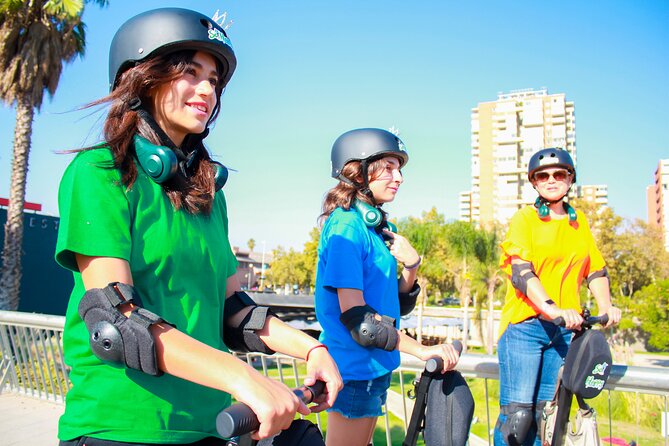
I would recommend it first to beginners who want to try self-balancing equipment in a guided setting. The repeated emphasis on patient instruction makes it a good match for someone who is interested but slightly unsure.
It also suits families, provided everyone meets the physical requirements and can follow the guide’s instructions. The activity is short, the route returns to its starting point, and the equipment adds a playful element. The information specifically points to families as a strong match.
You may also enjoy it if you have already visited Santiago’s main sights and want a lighter activity in Vitacura. The sculpture stops and short historical context give the ride a little more substance than a simple recreational spin.
I would be more cautious if you have limited balance, dislike standing activities, or want a slow, highly detailed cultural tour. Moderate fitness is required, and the need to operate the equipment means this is not entirely passive sightseeing.
The experience is offered in English, which makes it accessible to English-speaking visitors. The guide’s patience is especially important here, since clear instruction is central to your comfort and safety.
Timing, weather, and cancellation details
You receive confirmation when you book, and the activity is near public transportation. The exact meeting point is El Arcángel 5148, and the tour ends there as well.
Free cancellation is available if you cancel at least 24 hours before the local start time. Cancellations made less than 24 hours before the start are not refunded, and changes within that period are not accepted.
Good weather is required. If poor weather forces a cancellation, you are offered another date or a full refund. The experience also requires a minimum number of participants. If that minimum is not reached, you can choose a different date or experience, or receive a full refund.
These rules are fair for an outdoor activity, but you should avoid placing it immediately before an important departure or fixed appointment. Santiago weather can affect outdoor plans, and the schedule may need to change.
Should you book the Vitacura Autobalance experience?
Book it if you want a short, friendly introduction to self-balancing equipment, prefer a small group, and like the idea of seeing Vitacura while doing something active. The patient 15-minute lesson is the key reason to choose this experience, especially if you have never used the equipment before.
The sculpture stops, English-language format, and return to the same meeting point add practical value. Families and first-timers are likely to get the most from the $45 price.
Skip it if you want a full Santiago sightseeing program, a long ride, or a detailed tour of specific works of art. This is best understood as a well-supported introduction with a local route, not a major city highlights tour. Keep the weather requirement in mind, arrive ready to stand and balance, and you should have a lively 45 minutes in Vitacura.
FAQ
Where does the experience start?
It starts at El Arcángel 5148 in Vitacura, in Santiago’s Metropolitan Region.
Where does the experience end?
The activity ends back at the same meeting point, El Arcángel 5148.
How long does the experience last?
The total duration is approximately 45 minutes. About 15 minutes are used for instruction, followed by roughly 30 minutes on the route.
Is the experience offered in English?
Yes. The experience is offered in English.
How many people can join?
The activity has a maximum of six participants.
Do I need a certain level of fitness?
Yes. A moderate level of physical fitness is recommended because you will need to use the self-balancing equipment and remain active during the outing.
Can I cancel for a full refund?
Yes, if you cancel at least 24 hours before the experience’s local start time. Cancellations made less than 24 hours in advance are not refunded.
What happens if bad weather cancels the activity?
You will be offered a different date or a full refund. The activity requires good weather.
Just added in Santiago
- Walking City Tour with Funicular, Cable Car and Tasting★ 4.3 · 6 reviews
- VIÑA DEL MAR AND VALPARAISO TOUR★ 4.8 · 20 reviews
- Tour VIÑA CONCHA Y TORO + CASA MARQUES – Chile, from Santiago.★ 5.0 · 2 reviews
- Undurraga + Isla Negra + San Afonso del Mar —– Full day★ 4.1 · 8 reviews
- Undurraga Wine tour★ 4.2 · 15 reviews
- Southcoast – Private Full-Day tour★ 5.0 · 6 reviews
- Santiago Private walking tour with Lunch★ 5.0 · 5 reviews
- Zapallar : nature, sea and local flavours★ 5.0 · 6 reviews
Santiago Tours, compared.
Valparaiso Port and Viña del Mar with Casablanca Wine Tasting
Read our review →
Cajon del Maipo/Embalse del Yeso Tour with Picnic
Read our review →
Vina Del Mar, Valparaiso, Casablanca & Reñaca Tour
Read our review →
Cable Car, Funicular and Sightseeing Bus in Santiago one day
Read our review →
Small-Group Cajón del Maipo Full-Day Tour and Picnic
Read our review →
Tour to Valparaíso, Viña del Mar, Pablo Neruda Museum and Vineyard
Read our review →
Maipo Valley Wine Tour with 4 vineyards from Santiago.
Read our review →