
REVIEW · ALTIPLANIC LAGOON TOURS
Full Day Trip to Aconcagua Park Argentina and Inca’s Lagoon from Santiago
The Andes make a grand first impression. This early-starting trip from Santiago takes you across the Chilean border to Aconcagua Park, Puente del Inca, Laguna del Inca, and the famous Los Caracoles road without asking you to handle the mountain driving yourself. I like the small-group format and the chance to see several major sights in one long day. I also like that national park fees, hotel pickup, a driver, and a guide are included.
The main caution is the road and the high altitude. You reach about 3,400 meters at the Aconcagua viewpoint, then spend hours on steep, twisting routes. A past departure had a serious driving and vehicle problem in wet weather, while other outings praised drivers Miguel and Ricardo for smooth, careful work. Confirm the vehicle, weather plan, toilet stops, and meal arrangements before you set off.
In This Review
- Key points to know before booking
- Why this Santiago mountain day is worth considering
- The 5:30 a.m. start and the ride from Santiago
- Aconcagua Park and the 3,400-meter viewpoint
- Lunch near Las Cuevas and the meal confusion
- Puente del Inca and the power of a good story
- Laguna del Inca and the Portillo mountain route
- Los Caracoles, the road that makes you grip the seat
- What to wear and pack for the Andes
- Who gets the best value from this trip?
- Should you book the Aconcagua and Inca Lagoon day trip?
- FAQ
- How long does the Aconcagua and Inca Lagoon tour last?
- Is hotel pickup and drop-off included?
- Do I need a passport?
- Is lunch included?
- How much walking is involved?
- What happens if bad weather cancels the tour?
Key points to know before booking
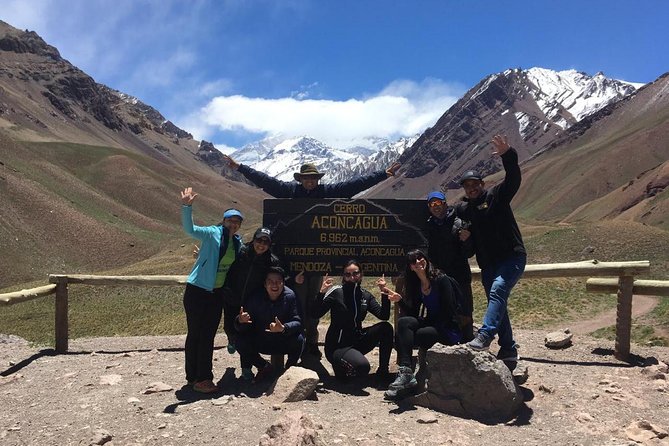
- Aconcagua viewpoint reaches 3,400 meters, with a short walk included and an optional trek of about 50 minutes.
- The route crosses between Chile and Argentina, so you must carry a current valid passport.
- Los Caracoles delivers the road drama, with 27 sharp switchbacks on the approach to the border.
- The day starts at 5:30 a.m. and lasts about 10 hours, making this a full mountain day rather than a casual outing.
- Lunch is not clearly included, so confirm the arrangement and bring cash for food, drinks, and souvenirs.
- Toilets are a real concern at Aconcagua Park, so use facilities before arrival and ask the guide about the next stop.
Why this Santiago mountain day is worth considering
For a single outing, this trip covers a remarkable amount of ground. You leave Santiago early, pass historic and natural sights in the Chilean Andes, cross into Argentina, see Mount Aconcagua from the park viewpoint, then return through the Portillo area and Laguna del Inca.
That variety is the chief reason to book. You are not spending the whole day at one lookout. You get mountain geology, Inca legend, Chilean independence history, border scenery, a famous road, and a natural bridge formed by mineral water.
The tradeoff is time. Ten hours sounds generous, but the border route is long and the mountain roads slow the trip. Much of the day takes place in a vehicle. You should enjoy scenic driving as part of the experience, not view it merely as transportation between short stops.
The tour costs $280 per person. That is a serious price for one day, but it pays for a driver, guide, national park fees, hotel pickup and drop-off, and the convenience of avoiding an unfamiliar international mountain route. For two people, the cost may compare favorably with renting a car once you add fuel, insurance, border paperwork, and the stress of driving the switchbacks.
Still, value depends on execution. Some departures have featured warm, engaging guides such as Ismael, Sergio, Rose, and Catalina, along with careful drivers including Miguel and Ricardo. Another outing had poor English, a worn vehicle, faulty wipers, and unsafe driving in rain. Ask for the latest weather and road conditions, and make safety your deciding factor.
More Day Trips in Santiago
- Cable Car, Funicular and Sightseeing Bus in Santiago one day
★ 5.0 · 2,325 reviews - Santiago: Portillo and Laguna del Inca Day Trip with Picnic
★ 4.5 · 572 reviews - Santiago: 1-Day Hop-On Hop-Off Bus and Cable Car Ticket
★ 4.3 · 332 reviews
The 5:30 a.m. start and the ride from Santiago
Pickup begins at 5:30 a.m., so plan for a very early night before the trip. The early departure gives you a better chance of fitting in the border area, park visit, lunch, and return drive within roughly 10 hours.
Hotel pickup is one of the strongest practical features. You do not need to find a meeting point in the dark or work out how to leave Santiago before public transport is fully running. The tour has a maximum of 15 people, which keeps it more personal than a large coach excursion, though the actual vehicle and group size can vary.
Your guide may be multilingual. English ability can vary too. One guide received criticism for limited English, while Ismael was praised for explaining the area’s geology, Inca traditions, and Chilean independence in a lively way. If clear English commentary matters to you, confirm the language when booking.
The route includes mountain roads where conditions can change quickly. Rain, snow, wind, and poor visibility are possible, and the operator may cancel for safety or border problems. That can be frustrating, especially after arranging a precious day in Santiago, but a weather cancellation is preferable to forcing a mountain crossing in bad conditions.
Aconcagua Park and the 3,400-meter viewpoint
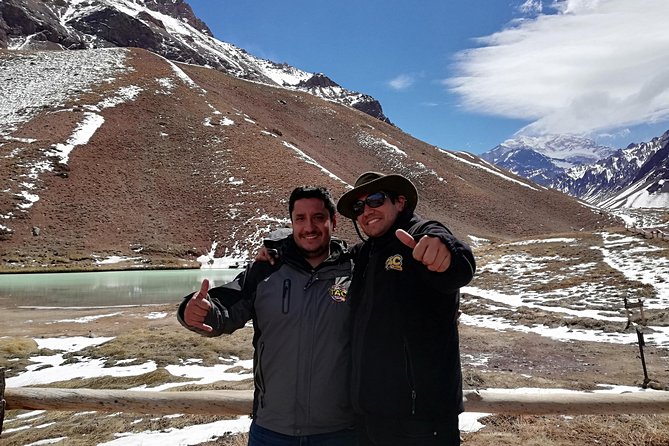
The main prize is Mount Aconcagua, the highest mountain in the Americas and one of the highest peaks in South America. At Aconcagua Provincial Park, you enter a protected section of the Argentine Andes near the Chilean border.
The standard walk leads toward the Mirador del Cerro Aconcagua at about 3,400 meters. The distance is described as short, but altitude can make an easy walk feel harder than expected. Take your time, breathe steadily, and do not treat the viewpoint as a race.
On a clear day, the snow-capped peak is the star. On a cloudy or snowy day, the view can change quickly. One outing had snow during the visit, while another had bright conditions and a clear look at Aconcagua. Bring sunscreen even if the air feels cold. One person reported getting sunburned during the day, a useful warning at high altitude.
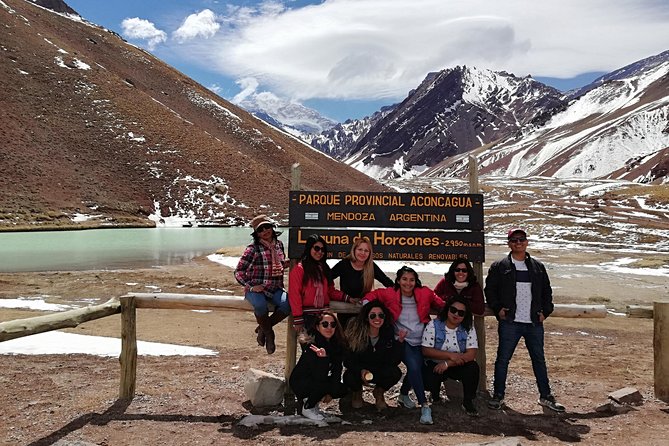
A second optional walk takes about 50 minutes along the Laguna trail. It leads toward a hanging bridge and the edge of a river among the mountains. This gives you more time on foot and a closer feel for the park, but it is not essential if you prefer a shorter day.
The park can also be a place for condor sightings. The altitude supports enormous Andean condors, though wildlife is never guaranteed. Keep your expectations sensible, and bring patience rather than assuming every stop produces an animal sighting.
The biggest practical problem is the lack of toilets at Aconcagua Park. This is not a minor detail on a long day in a remote mountain area. Use a restroom before reaching the park and ask your guide when the next proper stop will be. Good guides have handled this well by arranging convenient breaks before and after the visit.
Lunch near Las Cuevas and the meal confusion
After the park, the group goes toward the caves sector for lunch at a restaurant in an old house. The setting sounds more atmospheric than a quick roadside chain stop, and the meal can add a welcome pause after the cold and altitude.
Lunch is listed as not included, so budget separately. Yet meal arrangements have not been consistent on every departure. Some people were told food was included, while others paid separately. Confirm this point before departure rather than relying on a vague booking description.
Bring cash. One outing specifically recommended enough money for food, souvenirs, and alfajores, the sweet biscuits sold in the area. You may find hot drinks and a hospitable meal at the small restaurant, but the exact menu and price are not specified.
Breakfast is also not included. Since pickup is at 5:30 a.m., arrange your own breakfast in advance. Your hotel may be able to provide something, but that is not guaranteed by the tour information.
More lagoon trips in Santiago:
- Inca Lagoon in Andes Mountain Range – Visit Local Vineyard with Tasting included
★ 5.0 · 1,897 reviews - Andes Range Tour at Inca Lagoon & InSitu Winery Snack Included
★ 4.5 · 703 reviews - Santiago: Inca Lagoon and Vineyard Visit with Wine Tasting
★ 4.5 · 233 reviews - Andes Day Lagoon – Embalse del Yeso, Cajón del Maipo.
★ 4.5 · 85 reviews
Puente del Inca and the power of a good story
Puente del Inca is a short stop of about 30 minutes, but it carries more character than its length suggests. The natural bridge crosses the Las Cuevas River and is colored by orange mineral deposits.
The local legend tells of an Inca warrior who lost Princess Kora-llé, then placed her body in the lagoon. The water turned emerald, matching her eyes. Another legend says that warriors formed a human bridge so their chief could pass, only to become petrified and create the bridge seen today.
The scientific explanation is less dramatic but just as interesting: mineral-rich waters formed the bridge over time. I like the way this stop lets you hold both ideas at once. The legend explains how people gave meaning to the place, while geology explains its physical shape.
Thirty minutes is enough for photographs and a quick look, but not for a long walk. If you want more time at each sight, a private trip may suit you better. This small-group outing is designed for breadth.
Laguna del Inca and the Portillo mountain route
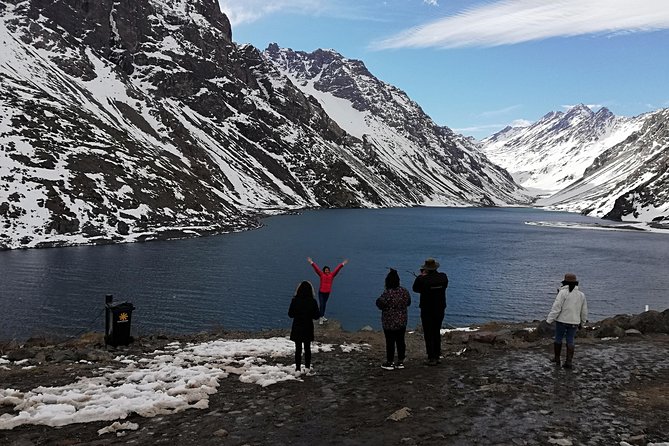
Laguna del Inca sits among the snowy Andes near Portillo, described as the oldest ski center in America. Its emerald color is the visual counterpoint to Aconcagua’s massive summit and the orange stone of Puente del Inca.
The lake also carries the Kora-llé legend, which connects the water’s color with the princess’s eyes. Cultural stories like this give the stop more meaning than a quick photo opportunity, especially when your guide explains how the Inca tradition relates to the surrounding peaks.
The itinerary allows about four hours for Laguna del Inca and related stops. Along the way, you may stop at the Chacabuco Battle Monument, Salto El Soldado, the Chilean and Argentine border, Portillo Ski Center, and a curve overlooking the Caracoles route.
These stops create a broad picture of the region. The battle monument adds Chilean independence history. Salto El Soldado brings in a natural feature. Portillo shows the modern recreational side of the Andes, while the border gives the journey a clear international dimension.
The exact amount of time at each stop is not stated. Expect the guide to balance photographs, walking, border conditions, and the long return to Santiago. If one view matters most to you, tell the guide early.
Los Caracoles, the road that makes you grip the seat
Los Caracoles is one of the most memorable parts of the day, even if you never leave the vehicle. The road climbs through a sequence of tight curves on the route between Chile and Argentina. The steep grade requires slow, careful driving.
From a lookout or roadside curve, you can see the road winding through the Andes. It is a fine place for photographs, but it is also a reminder that this is not an ordinary scenic drive. The route is busy because it links Santiago with Mendoza and the Los Libertadores border crossing.
Motion sickness is worth considering. The trip includes long stretches of curves, and you may find the road tiring even if you usually enjoy mountain scenery. Sit where you are most comfortable, bring any medication you normally use, and tell the guide if you need a pause.
Driver quality matters here more than almost anywhere else on the tour. Miguel was praised for smooth, calm driving on the switchbacks, and Ricardo was described as safe. In contrast, one wet-weather return became frightening when a vehicle slid on the curves and the driver continued too quickly. That report is serious, not a reason to reject every departure, but it is a reason to ask about weather and road conditions before going.
What to wear and pack for the Andes
Smart casual clothing is requested, but practical mountain clothing matters more than looking polished. Conditions can change from sunshine to snow, and the high viewpoint can feel cold and windy.
Pack:
- A warm jacket and extra layers
- Gloves and sturdy walking shoes
- Sunscreen and sunglasses
- Water and any personal snacks
- Cash for lunch, drinks, and souvenirs
- Your current valid passport
- Motion sickness medicine if you normally need it
The walks are described as easy to moderate, but the altitude adds effort. You should have a moderate level of physical fitness. The minimum age is 18, so this is an adult-only outing.
Do not count on regular toilet access in the park. Plan around the stops your guide provides. This is one of those small details that can shape your comfort more than the grand scenery does.
Who gets the best value from this trip?
I would choose this tour if you have limited time in Santiago and want to see the high Andes without renting a car. It suits you if you value a guide’s stories, prefer a small group, and are happy with a long day that combines short walks and extended driving.
It is also a strong choice for anyone who wants both Argentina and Chile in one outing. You need a passport, and border conditions can affect the plan, but the route gives you a rare taste of crossing the Andes without arranging a separate Mendoza trip.
I would think twice if you dislike winding roads, need frequent toilet access, or want a relaxed schedule. The price is high, the day begins very early, and the quality of the driver and vehicle is important. I would also avoid booking without checking the forecast, especially in a season of rain or snow.
Free cancellation is available until 24 hours before the 5:30 a.m. start. A cancellation for bad weather should result in another date or a full refund, though a last-minute operational cancellation can still disrupt your plans. Keep a backup idea for Santiago if the border or weather closes the route.
Should you book the Aconcagua and Inca Lagoon day trip?
Book it if Aconcagua is high on your Chile wish list and you want a practical, all-in-one mountain day. The views, border route, Inca stories, Puente del Inca, Portillo, and Los Caracoles give you far more than a single lookout.
Before paying, confirm four things: the pickup details, the guide’s language, whether lunch is included, and the weather and road plan. Ask specifically about toilet stops and vehicle condition. With a careful driver and a clear day, this can be a superb use of one Santiago day. With bad weather, rushed driving, or poor communication, the same route can feel expensive and uncomfortable.
FAQ
How long does the Aconcagua and Inca Lagoon tour last?
The experience lasts approximately 10 hours, beginning with pickup at 5:30 a.m.
Is hotel pickup and drop-off included?
Yes. The tour includes Santiago hotel pickup and drop-off.
Do I need a passport?
Yes. A current valid passport is required on the day of travel because the route includes the Chilean and Argentine border area.
Is lunch included?
Lunch is listed as not included. Meal arrangements have varied, so confirm the details before departure. Breakfast is also not included.
How much walking is involved?
The tour includes a short walk to the Mirador Aconcagua at about 3,400 meters. An optional walk of roughly 50 minutes follows the Laguna trail toward a hanging bridge and river.
What happens if bad weather cancels the tour?
The experience requires good weather. If poor weather causes cancellation, you should be offered another date or a full refund. Free cancellation is also available if you cancel at least 24 hours before the start time.
Just added in Santiago
- Walking City Tour with Funicular, Cable Car and Tasting★ 4.3 · 6 reviews
- VIÑA DEL MAR AND VALPARAISO TOUR★ 4.8 · 20 reviews
- Tour VIÑA CONCHA Y TORO + CASA MARQUES – Chile, from Santiago.★ 5.0 · 2 reviews
- Undurraga + Isla Negra + San Afonso del Mar —– Full day★ 4.1 · 8 reviews
- Undurraga Wine tour★ 4.2 · 15 reviews
- Southcoast – Private Full-Day tour★ 5.0 · 6 reviews
- Zapallar : nature, sea and local flavours★ 5.0 · 6 reviews
- Private Casa Blanca Valley Wine Experience from Santiago★ 4.5 · 8 reviews
Altiplanic Lagoon Tours, compared.
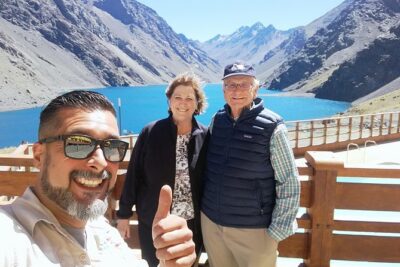
Inca Lagoon in Andes Mountain Range – Visit Local Vineyard with Tasting included
Read our review →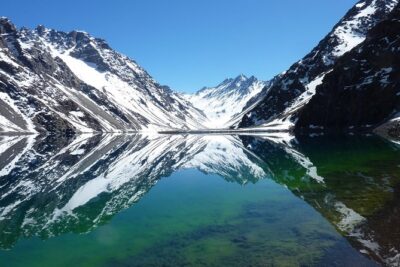
Andes Range Tour at Inca Lagoon & InSitu Winery Snack Included
Read our review →
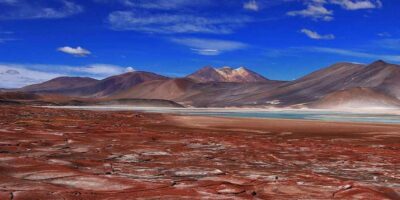
Piedras Rojas, Altiplanics Lagoons & Salar Full-Day Tour
Read our review →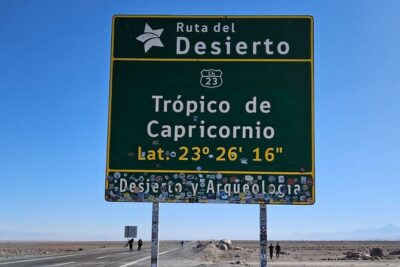
Full Day Tour to Piedras Rojas, Altiplanic Lagoons and Chaxa
Read our review →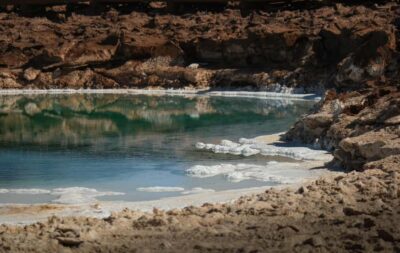
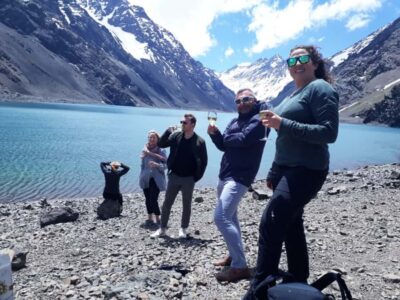
Inca Lagoon and Vineyard Visit with Wine Tasting
Read our review →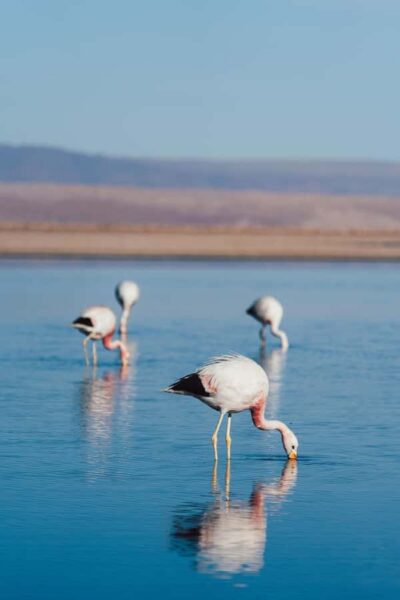
Triple tour: Red stones, highland lagoons and Chaxa Lagoon
Read our review →Browse the lists this tour appears in