
REVIEW · CHILOE TOURS
Castro Sightseeing Tour in Chiloe
Chiloé’s wooden character comes alive in Castro. This three-hour outing brings together colorful palafitos and two important churches, with a guide, hotel pickup, and an air-conditioned vehicle included. I especially like the mix of waterfront architecture and local history, plus the chance to see both Castro and nearby Nercón without arranging several separate rides.
The tour is also a good fit if you have limited time or prefer not to rent a car. The main drawback is its brisk pace: the museum and each church receive about 30 minutes, and the price of $70.82 does not include museum admission, lunch, or drinks. Since the booking is non-refundable, you should be certain of your plans before paying.
In This Review
- Key points about the Castro sightseeing tour
- Why Castro makes a good half-day outing
- Pedro Montt palafitos: the tour’s strongest stop
- Millantuy viewpoint and the Castro Regional Museum
- San Francisco Church in central Castro
- Gamboa and the road south to Nercón
- What the $70.82 price really covers
- Pickup, pace, and practical comfort
- Who will get the most from this tour
- Should you book the Castro sightseeing tour?
- FAQ
- How long does the Castro sightseeing tour last?
- What time does the tour begin?
- Does the tour include hotel pickup?
- Is this tour available for cruise passengers?
- How many people can join the tour?
- Is the Castro Regional Museum admission included?
- Are church donations included?
- Are lunch and drinks included?
- What should I bring?
- Is the tour refundable if I cancel?
Key points about the Castro sightseeing tour
- The Pedro Montt palafitos receive the longest visit, with about an hour to see Chiloé’s famous stilt houses and waterfront setting.
- Two wooden churches are included, San Francisco in central Castro and Nuestra Señora de Gracia de Nercón farther south.
- The Castro Regional Museum covers more than 6,000 years of Chiloé history, though admission is not included.
- Hotel pickup and drop-off are offered at centrally located hotels, making this useful if you are not driving.
- The group can reach 20 people, so this is organized sightseeing rather than a private city walk.
- The tour lasts about three hours, beginning at 9:30 a.m., with an air-conditioned vehicle and church donations included.
Why Castro makes a good half-day outing
Castro is the largest city on Chiloé and the island’s third-oldest city. Its appeal is not based on a single monument. Instead, you get a compact look at the island’s wooden building traditions, church culture, waterfront life, and long past.
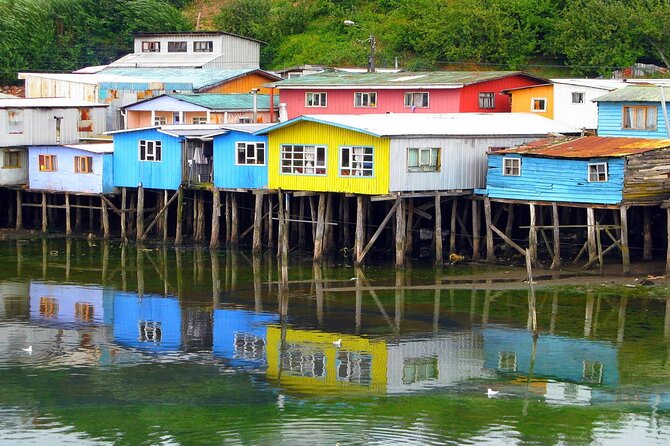
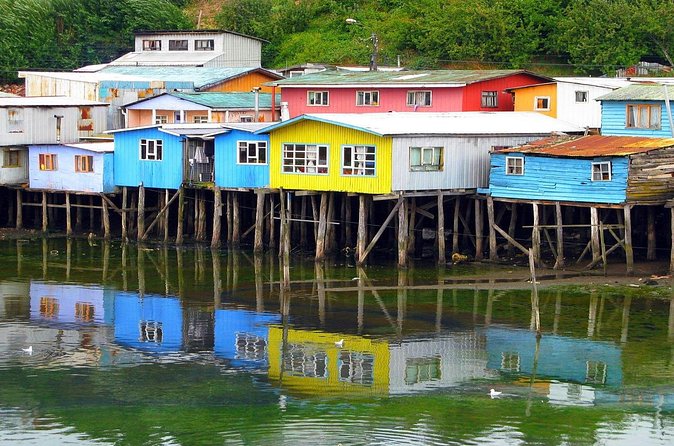
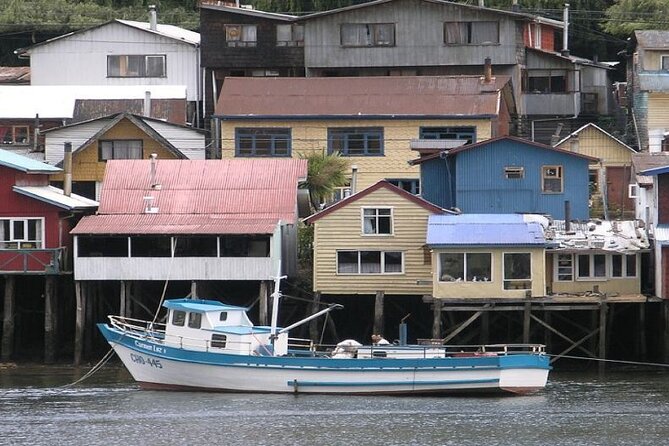
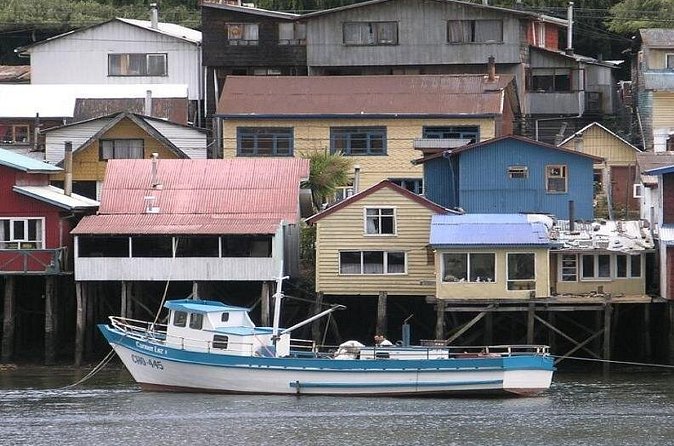
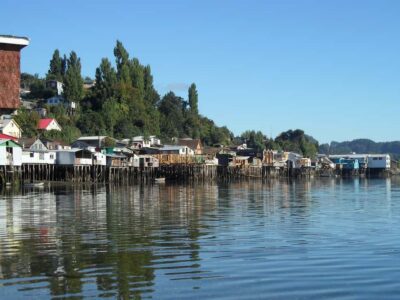
The most recognizable feature is the palafito, a wooden house built on thick piles above the water. These homes have one face toward the street and another toward the shore. That unusual arrangement tells you something practical about Castro: the waterfront was not just scenery. It was part of daily work, movement, and trade.
I like this tour because it avoids treating Castro as a quick photo stop. You see the houses from the Pedro Montt area, then get time for a museum, a viewpoint, a central church, and a second church outside the center. The stops are short, but together they give you a useful first picture of the city.
The outing begins at 9:30 a.m. and lasts around three hours. That leaves much of the day open for your own plans. You might continue exploring Castro, eat lunch independently, or use the afternoon for another part of Chiloé.
More things to do on Chiloe:
- From Puerto Varas: Chiloe Island Full-day Tour
★ 3.6 · 77 reviews - Puerto Montt: Full day Chiloe Island visiting Penguins in Puñihuil
★ 4.0 · 38 reviews - Chiloe Island – Puñihuil Tour
★ 5.0 · 21 reviews
Pedro Montt palafitos: the tour’s strongest stop
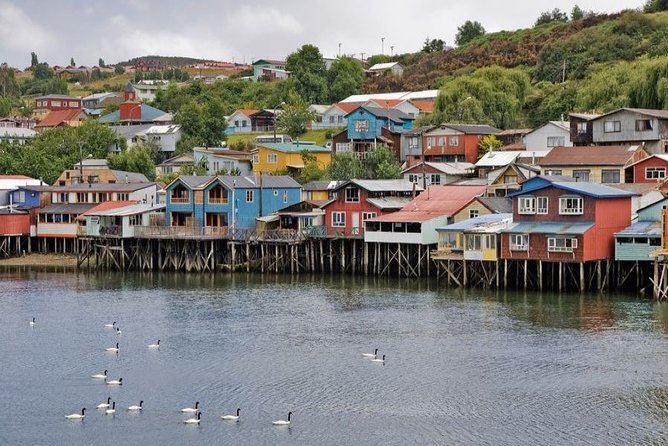
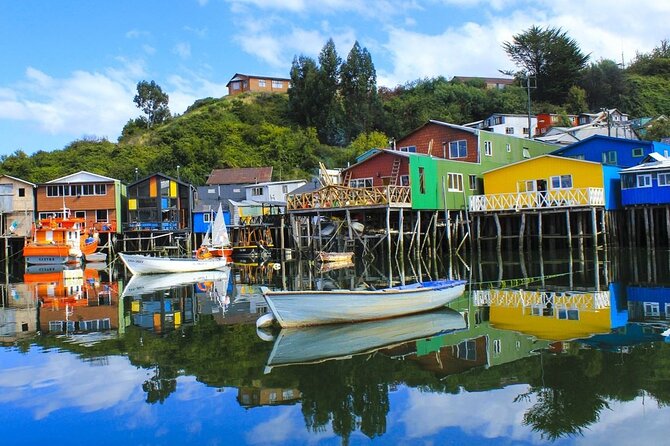
The first stop is the palafitos of Pedro Montt, and it receives about one hour. That is the most generous portion of the schedule, which makes sense. These waterfront houses are among Castro’s defining sights, and they deserve more than a quick stop for a single photograph.
The homes are wooden and covered with larch tiles. They sit above the water on heavy piles, creating a distinctive row of buildings between street and shore. The two-sided design is the detail to watch for. From the street, the houses have one appearance. From the waterfront, they reveal another side entirely.
Your guide should help explain how the buildings relate to the city and island life, though the supplied information does not name the guide. I would use this hour to look closely at the construction, colors, rooflines, and changing angles along the water rather than rushing through a checklist of buildings.
This is also the stop where comfortable shoes matter. You are visiting a waterfront area with wooden structures and piers, so sensible footwear is more useful than anything dressy. Bring water and sunscreen if you want them, since neither is supplied.
The main limitation is that one hour cannot turn the palafitos into a detailed architectural study. You will see the area and learn its basic story, but anyone hoping for a long photography session or extended independent wandering may find the schedule tight.
Millantuy viewpoint and the Castro Regional Museum
After the palafitos, the tour continues through the Millantuy viewpoint before reaching the Castro Regional Museum. The viewpoint adds a broader look at the city and its setting, while the museum gives the tour its historical context.
The museum presents more than 6,000 years of Chiloé history. That is a useful counterweight to the palafitos, which can easily become the only thing you remember from Castro. Here, you can place the city’s buildings and traditions within a much longer story.
About 30 minutes are set aside for the museum. That is enough for an introduction, but not enough to examine every display at length. If you enjoy museums and want to read each panel carefully, you may need to choose what matters most. Admission is not included, so set aside extra money for the museum.
I like the order of these stops. The waterfront shows you a living part of Castro, the viewpoint gives you a wider sense of place, and the museum supplies background. You are not simply moving from one postcard view to the next.
The tour description calls this the Castro Regional Museum in the itinerary and also uses the name Museo Municipal de Castro. If you are searching for the stop locally, those two names may help you identify it.
San Francisco Church in central Castro
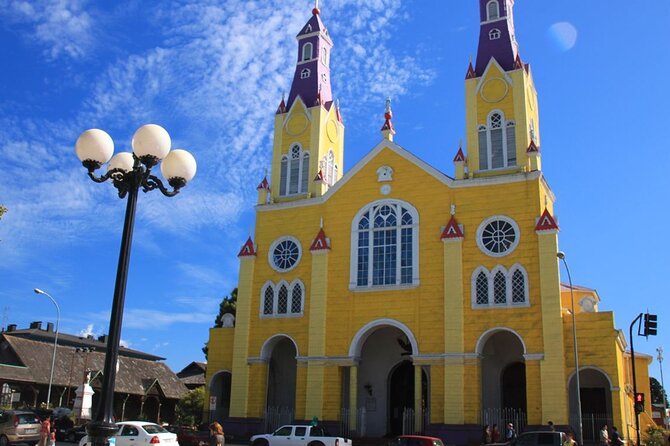
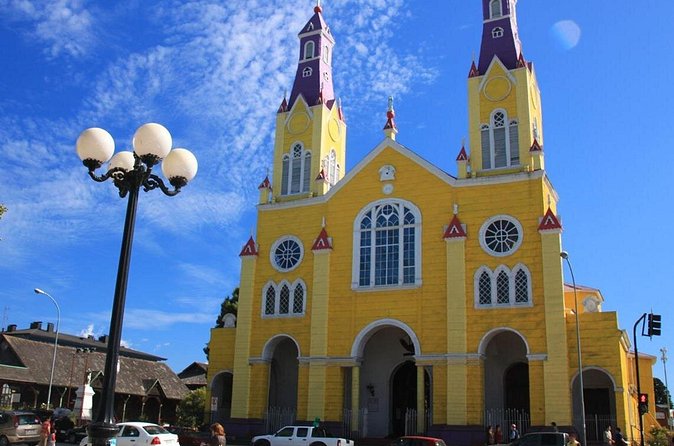
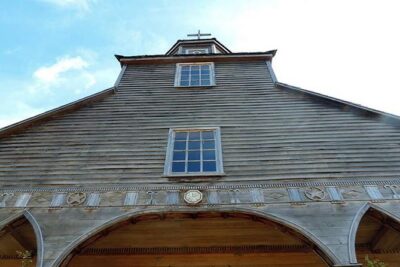
The next major stop is the Church of San Francisco, founded in 1567. It is one of Castro’s best-known landmarks and part of the group of Chiloé churches recognized as a World Heritage Site.
The visit lasts about 30 minutes. That gives you time to see the exterior, enter if open, and listen to the guide’s explanation. Donations to the churches are included in the tour, but the supplied information does not promise a particular interior schedule or guarantee that every church will be open at the exact moment of arrival.
This is an important practical point. Churches remain working religious places, not only monuments. Access can depend on services or local conditions. The tour includes the church visit and donations, but you should approach it as a guided introduction rather than a guaranteed long interior visit.
San Francisco adds a strong urban counterpoint to the palafitos. The houses show Castro’s relationship with the water, while the church shows the importance of faith and timber construction in Chiloé’s towns. Seeing both in one morning gives the tour more substance than a simple drive around the center.
A completely different kind of day out:
- Lemuy Island Tour from Castro
★ 5.0 · 19 reviews - Full Day on Chiloé Island Visiting Penguins in Puñihuil
★ 4.5 · 13 reviews - Puerto Montt: Full day Chiloe island visiting Ancud – Caulin – Lacuy
★ 3.5 · 8 reviews - Full Day Castro & Dalcahue Chiloe Island
★ 4.0 · 7 reviews
Gamboa and the road south to Nercón
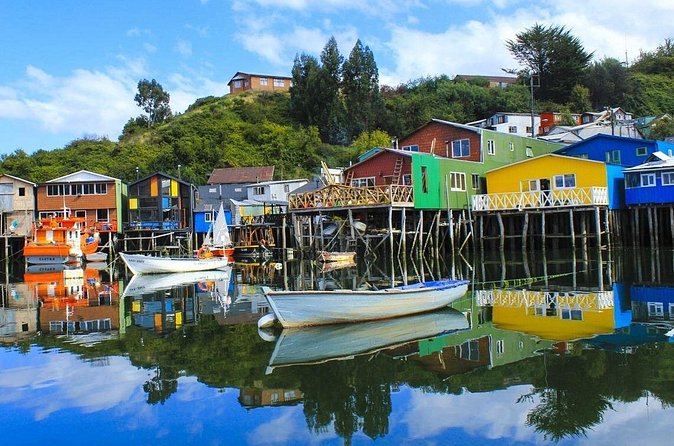
After San Francisco, the route continues to the Gamboa palafitos. These provide another look at Castro’s waterfront architecture and let you compare a second area with the Pedro Montt houses.
The information provided does not give a separate time for Gamboa. It is described as part of the route after the central church, so you should not expect another full hour there. The benefit is variety. You see that palafitos are not confined to one isolated viewing point.
The final formal stop is the Church of Nuestra Señora de Gracia de Nercón, south of Castro. The tour allows about 30 minutes here before returning to your hotel.
Nercón Church is also a World Heritage Site. Including it is one of the tour’s better choices because it takes you beyond the central sights and shows a second historic church in a different setting. If you have only a few hours in Castro, reaching Nercón without arranging your own transport is practical.
At the same time, the southbound section makes the tour feel more like a small regional excursion than a pure city walk. You spend part of the outing in the vehicle, and the exact amount of driving time is not stated. If your priority is slow exploration on foot, a self-guided visit in Castro may suit you better.
What the $70.82 price really covers
At $70.82 per person, this is not the cheapest way to look around Castro. Its value comes from the services bundled into a short morning: centrally located hotel pickup and drop-off, a professional guide, an air-conditioned vehicle, and donations to the churches.
That package can make sense if you are staying in central Castro and do not have a car. It also saves you from working out how to reach Nercón and how to fit several separate sights into three hours.
The price is less attractive if you already have a rental car, enjoy using local transport, or plan to spend a full day exploring. An auto-translated account describes seeing several Chiloé places from the public bus terminal after being unable to rent a car. That points to a possible independent alternative, though this tour offers more structure and a guide.
You will need extra money for the Castro Regional Museum, lunch, and drinks. The tour does not include any meal, so do not expect a midday stop to be part of the three-hour program. Bring water or plan to eat after the tour.
Group discounts are available, which may improve the per-person value for a larger party. The vehicle can carry up to 20 people, so the experience is not designed as a private outing unless a separate arrangement is made.
Pickup, pace, and practical comfort
Pickup is offered from centrally located hotels only. You should confirm that your accommodation falls within the service area rather than assuming every Castro address qualifies. The tour is not valid for cruise passengers, because cruise excursions and transfers use a separate operation and rate.
An air-conditioned vehicle is included. That matters when you are covering several stops in a short period, especially on the route between central Castro and Nercón. You will not need to organize taxis or public transport between each place.
The 9:30 a.m. start gives the tour a clear morning shape. Since the experience lasts about three hours, you can plan other activities afterward. Keep your shoes practical, and take sunscreen and water if desired.
Most people can participate, according to the tour information. No special fitness requirement is stated. Still, the day includes getting in and out of a vehicle and visiting waterfront areas, so sensible footwear remains a good idea.
The schedule is the key tradeoff. Pedro Montt receives an hour, while the museum, San Francisco Church, and Nercón Church each receive about 30 minutes. That is efficient, but it leaves little room for delays or long personal visits.
Who will get the most from this tour
I would recommend this outing to you if you want a clear first look at Castro and have only half a day. It is especially useful if you are staying in a central hotel, do not want to drive, and prefer having transport and explanations arranged together.
It also suits you if palafitos and historic timber churches are your main interests. The route gives both subjects proper attention, while the museum adds a long view of Chiloé’s past.
Families and mixed-age groups may appreciate the short duration and vehicle transport. Most people can participate, and the itinerary does not demand a full day of walking. Group discounts may help if several people are booking together.
I would hesitate if you need a slow, highly flexible visit. The group may reach 20 people, and the fixed schedule limits time at each site. Independent visitors who enjoy lingering in museums, photographing every waterfront angle, or choosing their own meal stop may prefer to use the public bus terminal or arrange their own transport.
Cruise passengers should not book this particular service. The tour is specifically not valid for cruise passengers, who need to use the separate cruise operation and rate.
Should you book the Castro sightseeing tour?
Book it if you want to cover Castro’s main sights in one organized morning, especially without a rental car. The strongest reasons are the hour at the Pedro Montt palafitos, the inclusion of both San Francisco and Nercón churches, and hotel transport from a central location.
Think twice if $70.82 feels high for a short tour or if you already have easy access to a car. The museum costs extra, lunch and drinks are not included, and the non-refundable booking rule makes careful planning important.
For a first visit, I see this as a useful orientation tour rather than a complete Chiloé experience. It gives you the city’s essential themes, then leaves you time to return to the places you liked best.
FAQ
How long does the Castro sightseeing tour last?
The tour lasts approximately three hours.
What time does the tour begin?
The scheduled start time is 9:30 a.m.
Does the tour include hotel pickup?
Yes. Hotel pickup and drop-off are included for centrally located hotels only.
Is this tour available for cruise passengers?
No. The service is not valid for cruise passengers. Cruise excursions and transfers use a separate operation and rate.
How many people can join the tour?
The maximum group size is 20 people.
Is the Castro Regional Museum admission included?
No. Admission to the Castro Regional Museum is not included in the tour price.
Are church donations included?
Yes. Donations to the churches are included.
Are lunch and drinks included?
No. Lunch and drinks are not included.
What should I bring?
Suitable shoes, sunscreen, and water are recommended if desired.
Is the tour refundable if I cancel?
No. The experience is non-refundable and cannot be changed for any reason. If you cancel or request an amendment, the amount paid will not be refunded.
Just added in Chiloe
- Full Day on Chiloé Island Visiting Penguins in Puñihuil★ 4.5 · 13 reviews
- Full Day Castro & Dalcahue Chiloe Island★ 4.0 · 7 reviews
- Puerto Varas; Full day, Chiloe island: Ancud, Caulin and Lacuy★ 4.5 · 5 reviews
- Chiloé Island Full Day Experience Castro, Ancud, Dalcahue & Lunch★ 3.0 · 2 reviews
- Puerto Montt: Full day Chiloe island visiting Ancud – Caulin – Lacuy★ 3.5 · 8 reviews
- Dalcahue and Quinchao Island Full Day Tour in Chiloe★ 5.0 · 1 review
- Bosque Piedra Reserve Tour★ 3.0 · 2 reviews
- Lemuy Island in Chiloe Full Day Private Tour★ 4.0 · 2 reviews
Chiloe Tours, compared.

Full day Chiloe Island visiting Penguins in Puñihuil
Read our review →
Full Day on Chiloé Island Visiting Penguins in Puñihuil
Read our review →
Full day Chiloe island visiting Ancud – Caulin – Lacuy
Read our review →
Browse the lists this tour appears in