REVIEW · SANTIAGO TOURS
An Architect’s Tour of Downtown Santiago
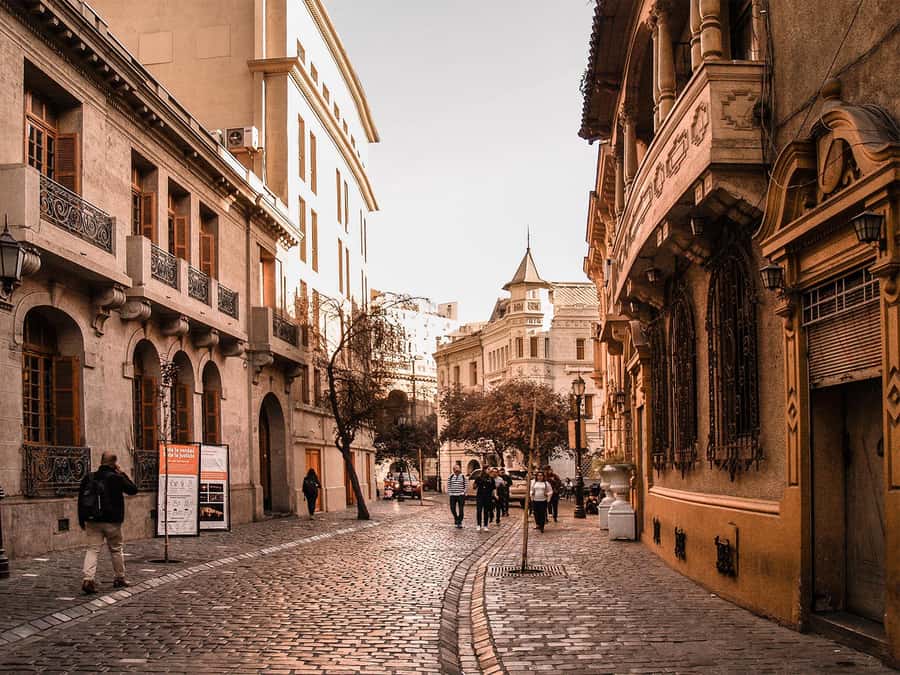
Santiago reveals itself through its buildings. This three-hour walk with Chilean architect Diego Inzunza links Plaza Baquedano, Lastarria, Santa Lucia, Paris-Londres, and La Moneda while explaining how design reflects Chile’s political and social changes. I like the small groups of up to eight people, which make it easier to ask questions and pause for photographs.
I also like that the tour works for complete beginners. You do not need to know architectural terms or bring special equipment. The main drawback is the pace: three hours on foot may feel long in strong sun or warm weather, and the tour is not designed for children under 10.
Diego’s fluent English, along with Spanish, makes this a good choice if you want more than a list of dates and building names. The route includes coffee, restroom, and practical stops when needed, but you should still wear comfortable shoes and expect to walk through central Santiago.
In This Review
- Key points about the walk
- Starting at Plaza Baquedano
- Lastarria and the city’s changing identity
- Universidad Católica and the role of design
- Cerro Santa Lucia from an architectural angle
- Iglesia San Francisco and older Santiago
- Paris-Londres and difficult chapters of Chilean history
- Finishing at La Moneda
- What $59 gets you
- Who will enjoy this walking tour?
- Practical advice before you go
- FAQ
- How long does An Architect’s Tour of Downtown Santiago last?
- What is the price?
- Where does the tour meet?
- Where does the tour end?
- Which languages are available?
- Who leads the tour?
- Is the tour suitable for children?
- What should I bring?
- Should you book it?
Key points about the walk
- A Chilean architect leads the route: Diego Inzunza trained in architecture and has worked as an architect and guide for more than six years.
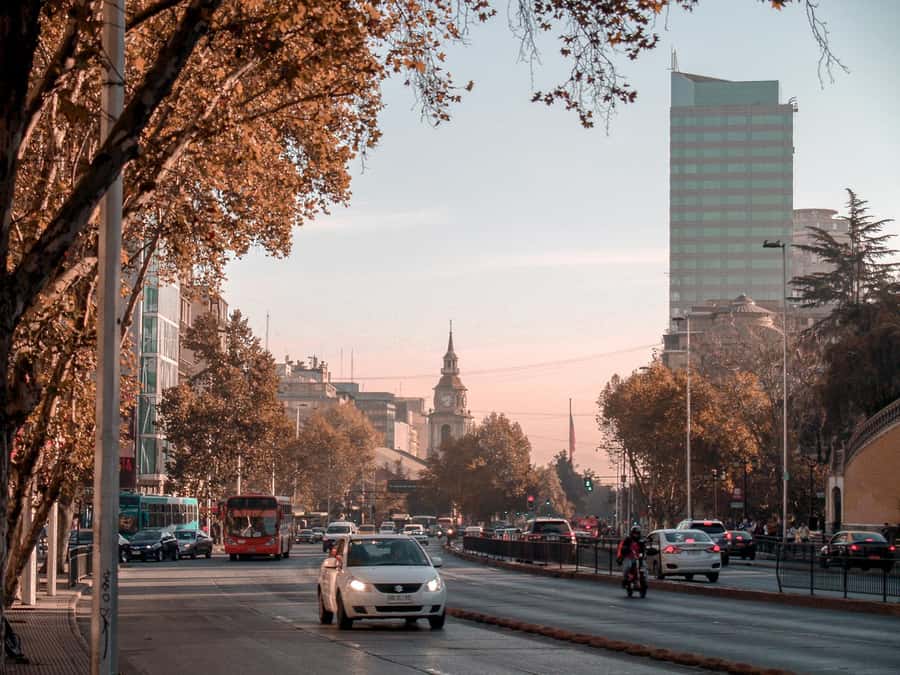
- The route connects major city landmarks: You move from Plaza Baquedano toward La Moneda, passing Lastarria, Santa Lucia, Iglesia San Francisco, Paris-Londres, and other notable sites.
- Architecture becomes a way to read Chilean history: Diego explains how political and social change shaped the design and use of Santiago’s buildings.
- Small groups keep the discussion personal: With no more than eight participants, you can ask questions or spend extra time taking photographs.
- The price includes a three-hour conversation: At $59 per person, the value rests on the guide’s interpretation, not on entrance tickets or transport.
- The finish is convenient but not a ride home: The walk ends at La Moneda, close to public and private transportation.
Starting at Plaza Baquedano
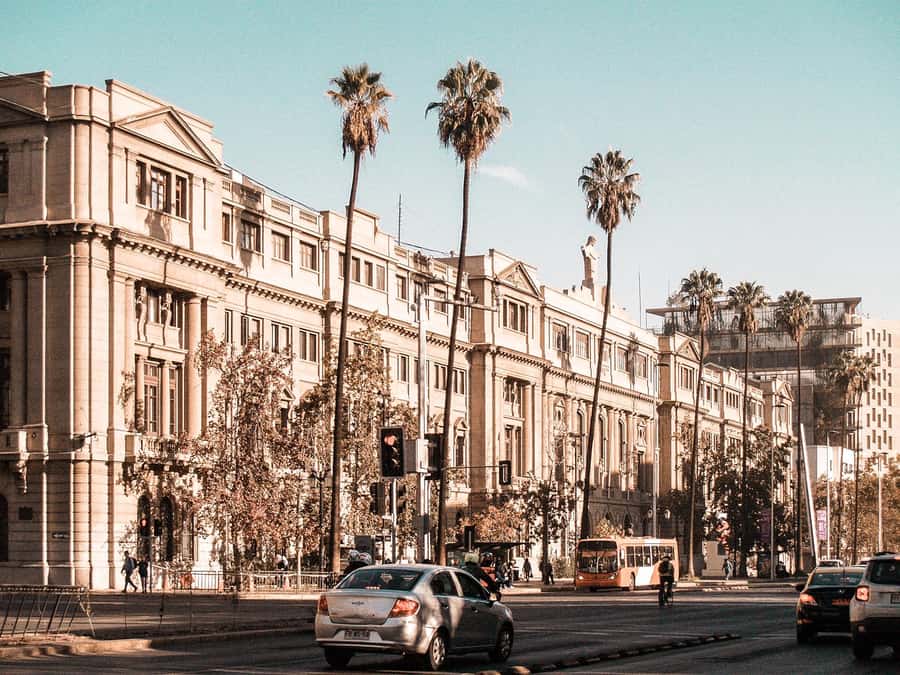
The walk begins at Santiago’s most important intersection, Plaza Baquedano, beside Teatro Universidad de Chile. The meeting information also gives Av. Providencia 43, so I would check the precise point and start time when booking. This is a busy central meeting area, and arriving a few minutes early will make the beginning less hurried.
Plaza Baquedano is a smart starting point because it helps you understand Santiago as a city divided and connected by major routes. From here, the tour heads into areas where architecture, public space, culture, and national politics meet.
You will not simply stop for a photograph and move on. Diego’s role is to explain why buildings look the way they do and how they fit into the city’s development. That makes the first stop useful even if you cannot tell one architectural style from another.
The tour is conducted in English or Spanish. Diego lived in the United States for 10 years, which supports fluent English explanations and makes it easier to discuss complex subjects without losing the thread. If you enjoy asking questions, this is likely to be one of the strongest parts of the experience.
More things to do in Santiago:
- Valparaiso Port and Viña del Mar with Casablanca Wine Tasting
★ 5.0 · 6,110 reviews - Santiago: Cajon del Maipo/Embalse del Yeso Tour with Picnic
★ 4.3 · 3,789 reviews - Santiago: Vina Del Mar, Valparaiso, Casablanca & Reñaca Tour
★ 4.2 · 2,838 reviews
Lastarria and the city’s changing identity
Barrio Lastarria is one of the first important neighborhoods on the route. It offers a useful contrast to the formal civic buildings later in the walk, with a more neighborhood-focused setting and a mix of cultural and historic character.
I like this part of the route because it shows that Santiago’s identity is not contained in grand government buildings. A city also tells its story through smaller districts, streets, and the way old structures continue to serve daily life.
Diego can help you look past the surface. Instead of seeing a pleasant district and moving on, you learn to ask what period produced its buildings, why certain details appear, and how the neighborhood fits into the wider city. Those questions give you a better way to explore Santiago on your own afterward.
The tradeoff is that an architecture walk asks you to pay attention. If you prefer a tour built mainly around quick photo stops, this may feel more talk-heavy. If you enjoy understanding what you are looking at, the extra explanation adds real value.
Universidad Católica and the role of design
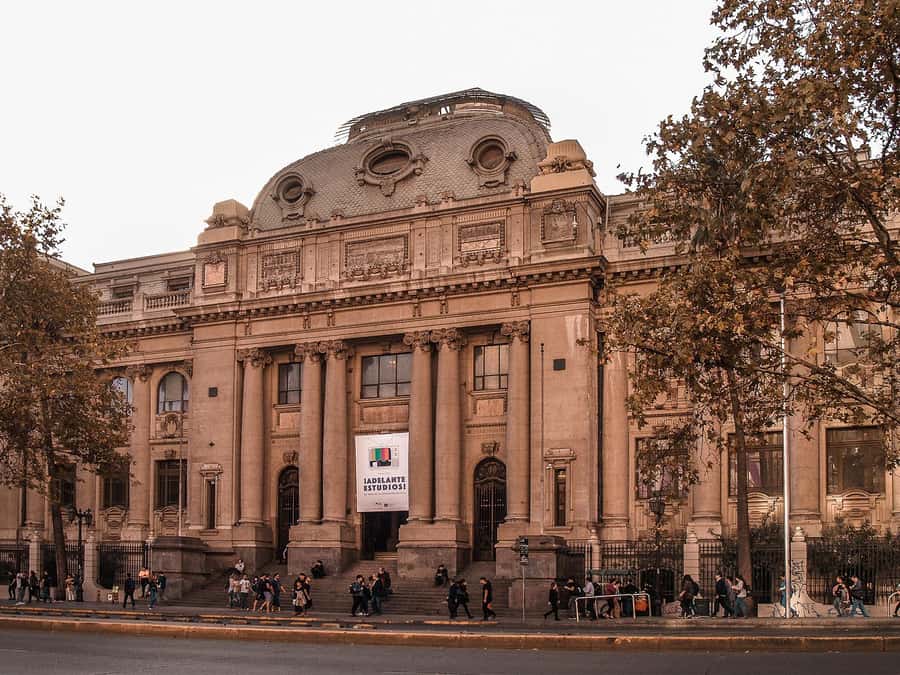
The route includes Universidad Catolica de Chile, another stop where architecture connects to the institutions that shaped Santiago. A university is not just a building to pass by. It represents education, public life, and the changing ideas of a country.
Diego explains the reasons behind a building’s aesthetic choices, not only the name of a style. That distinction matters. You may forget a technical label, but you are more likely to remember how structure, decoration, function, and politics influence one another.
The small group size is especially useful here. A group limited to eight makes it practical to ask Diego to clarify a detail or compare one building with another. You can also request a little more time at a spot if you want to photograph it.
There is no promise of a formal interior visit at every stop, so I would think of this as an architectural reading of the city from the street. The experience is strongest for people who enjoy close observation, explanation, and conversation.
Cerro Santa Lucia from an architectural angle
Cerro Santa Lucia gives the walk a change of setting and adds one of Santiago’s most recognizable landmarks. The stop is not only about seeing a famous place. It lets Diego explain how a major urban feature relates to the city around it.
This is where the tour’s format becomes helpful. A standard sightseeing walk might give you a short historical note and point toward the next attraction. An architect’s tour can draw your attention to placement, materials, visual relationships, and the reasons a site matters within Santiago’s development.
The route remains a walking experience, so comfortable shoes are essential. You should also plan for a three-hour outing rather than a short orientation stroll. Restroom and coffee breaks can be included along the way, and extra practical stops such as a bank or money exchange may be possible if needed.
Jewelry is not allowed on the tour. That is an easy rule to overlook, so leave it behind rather than discovering the problem at the meeting point.
A completely different kind of day out:
- Cable Car, Funicular and Sightseeing Bus in Santiago one day
★ 5.0 · 2,325 reviews - Small-Group Cajón del Maipo Full-Day Tour and Picnic
★ 4.5 · 2,277 reviews - Tour to Valparaíso, Viña del Mar, Pablo Neruda Museum and Vineyard
★ 5.0 · 2,273 reviews - Maipo Valley Wine Tour with 4 vineyards from Santiago.
★ 5.0 · 1,983 reviews
Iglesia San Francisco and older Santiago
Iglesia San Francisco adds an older religious and civic layer to the route. Together with the surrounding central districts, it helps show how Santiago grew around institutions that served both spiritual and public roles.
The value here comes from comparison. You are not looking at one church in isolation. You are moving through several parts of the city and seeing how different buildings express different periods, functions, and social priorities.
Diego’s training gives him a useful angle on details that might otherwise escape notice. He graduated in architecture in 2016 and has worked as an architect and guide for more than six years. That background supports the tour’s central promise: architecture is the main tool for understanding Santiago.
I would not choose this tour if your main goal is a lengthy interior visit at each landmark. The information provided focuses on a guided outdoor conversation, photographs, and the historical context of the city. The route’s strength is breadth and interpretation.
Paris-Londres and difficult chapters of Chilean history
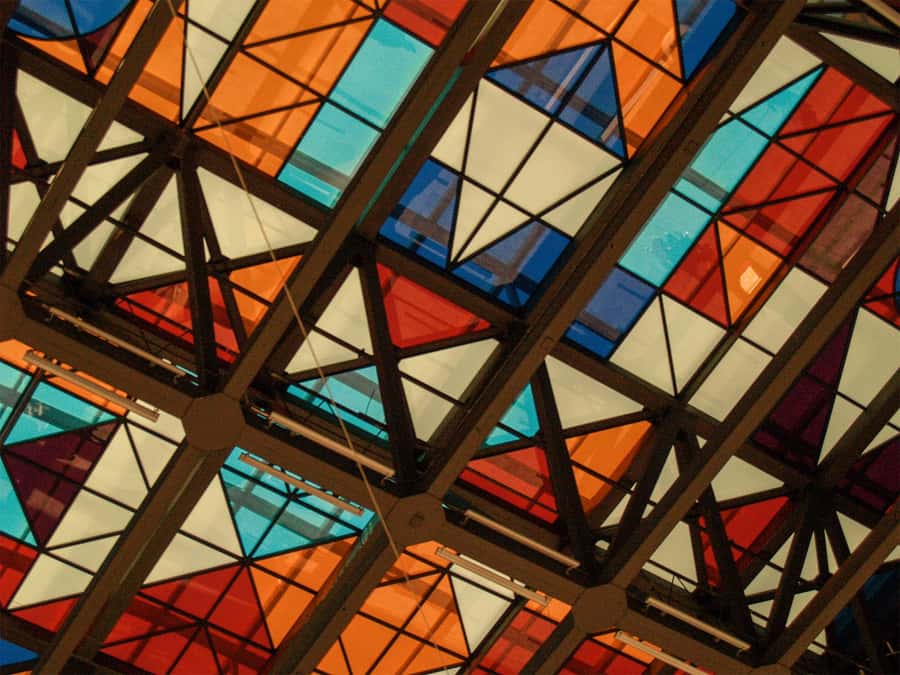
The Paris-Londres neighborhood is one of the most distinctive parts of the walk. Its name alone hints at Santiago’s international architectural influences, but the area also carries important political and social associations.
This is where the tour moves beyond attractive façades. Diego explains periods of political and social change through architecture and design, including the way national events shaped the city. That approach gives La Moneda and the surrounding civic center greater meaning when you reach them later.
One reason this tour has earned such strong praise is the guide’s ability to connect architecture with politics without making the walk feel like a classroom lecture. Kendra from the United States particularly valued the mix of history, architecture, and politics, while Tom from the United Kingdom appreciated seeing places that he would not have found alone.
That combination is the tour’s clearest point of difference. You are not only collecting landmark names. You are learning how buildings can record conflict, ambition, social change, and national identity.
Finishing at La Moneda
The route ends at Chile’s civic center in La Moneda, the presidential palace. This is a fitting finish because the walk has gradually moved from neighborhoods and cultural areas toward the country’s central seat of government.
By this point, the buildings you see should make more sense as part of a larger story. La Moneda is not treated as an isolated photo stop. It becomes the final point in a route about how Santiago developed and how Chilean events left marks on the built city.
The tour does not include transportation back to your hotel or next stop. That is not a major problem at this location, since public and private transport are only steps away. Still, you should plan your next move before the tour ends, especially if you have a timed reservation elsewhere.
The final location also makes the walk useful as a first or second activity in Santiago. You can continue exploring the city center afterward, or use nearby transport to reach another part of the metropolitan region.
What $59 gets you
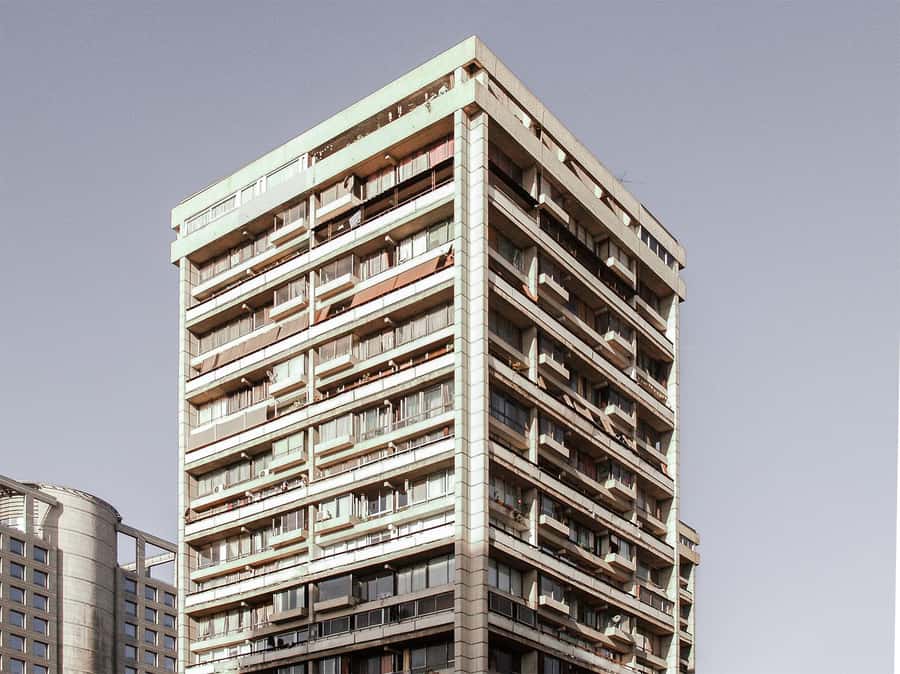
At $59 per person, this is not the cheapest way to see Santiago’s center. You are paying for three hours with a trained Chilean architect, a bilingual guide, and a route developed over more than five years.
There are no listed entrance tickets, meals, or return transport included. The value is in Diego’s interpretation and in the chance to ask questions throughout the walk. For someone who would otherwise pass through Lastarria, Santa Lucia, San Francisco, Paris-Londres, and La Moneda without understanding their connections, that can be money well spent.
The group limit of eight improves the value. A large group can make an architecture discussion hard to follow, while a small group gives you room to ask about a building that catches your eye or pause for a better photograph.
I would consider the price fair for visitors who care about context and want a personal conversation. It is less attractive if you only want a fast overview, a bus ride, or a long list of included attractions.
Who will enjoy this walking tour?
This experience suits you best if you enjoy:
- Architecture, urban design, history, or Chilean politics
- Asking questions rather than only listening
- Photographing buildings and public spaces
- Small groups and direct contact with a guide
- Seeing familiar landmarks through a more specialized lens
- English or Spanish conversation
You do not need previous architecture training. Diego explains the subject for general visitors, so curiosity matters more than technical knowledge.
The age limit is also worth noting. Children under 10 are not suitable for this activity, and the three-hour format may be demanding for younger participants even above that age. Anyone joining should be ready for a sustained city walk.
The tour is wheelchair accessible, which makes it more practical for many visitors. Still, because it takes place across central streets and public areas, you may want to confirm the exact route details before booking if you have specific mobility needs.
Practical advice before you go
Wear comfortable shoes. That is the most important preparation for a route lasting three hours.
Bring your interest in the city, not architectural equipment. The tour does not require previous study or special gear. A camera or phone is useful if you like photographing details, but the experience does not depend on having professional equipment.
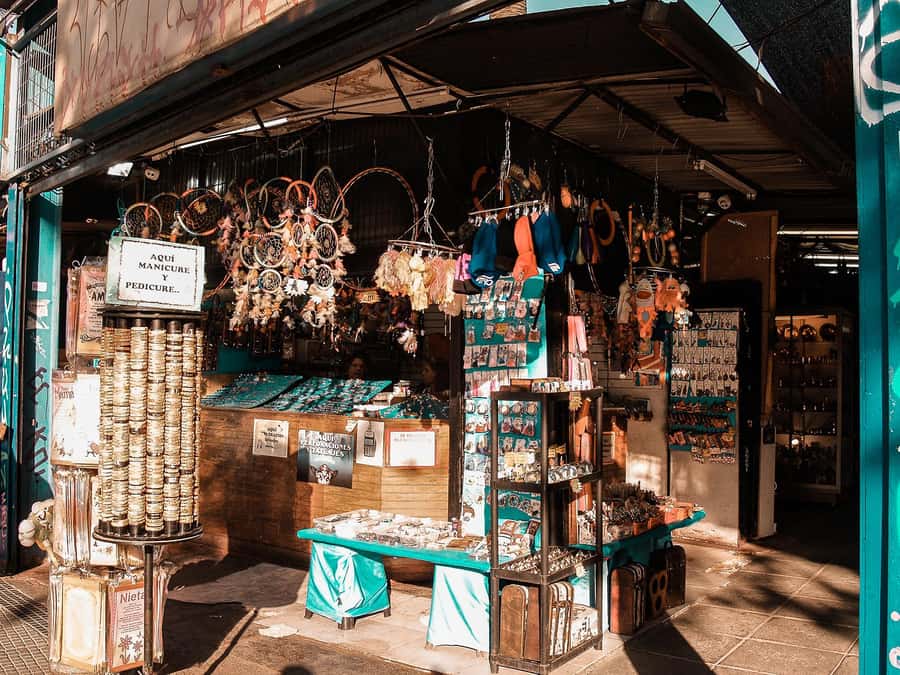
Leave jewelry at home. You may also find places to buy souvenirs along the route, so you can make purchases if something catches your eye.
The route can include a coffee break, restroom stops, and practical pauses for needs such as banking or money exchange. These are helpful touches, especially on a longer walk, but they should not be confused with included food or drinks. The supplied information does not specify that coffee is included in the $59 price.
You can cancel up to 24 hours before the activity for a full refund. The reserve-now, pay-later option also gives you some flexibility when your Santiago plans are still changing.
FAQ
How long does An Architect’s Tour of Downtown Santiago last?
The tour lasts three hours.
What is the price?
The price is $59 per person.
Where does the tour meet?
The meeting point is Plaza Baquedano, next to Teatro Universidad de Chile. The starting information also lists Av. Providencia 43, so check the exact meeting instructions when booking.
Where does the tour end?
The tour ends at La Moneda, Chile’s presidential palace and civic center.
Which languages are available?
The live guide offers the tour in English and Spanish.
Who leads the tour?
The tour is led by Chilean architect Diego Inzunza. He graduated in architecture in 2016 and has worked as an architect and guide for more than six years.
Is the tour suitable for children?
The activity is not suitable for children under 10 years old.
What should I bring?
Bring comfortable shoes. Jewelry is not allowed. No previous architecture knowledge or special equipment is required.
Should you book it?
Book this tour if you want Santiago explained through its buildings, neighborhoods, and political story. Diego’s architectural training, fluent English, and willingness to answer questions make it especially appealing for curious visitors who prefer a small, thoughtful walk.
Skip it if you want a short sightseeing circuit, included transport, or a tour centered on interior visits. At $59, the cost makes sense when you value interpretation and conversation. For the right audience, this is a strong way to understand central Santiago before exploring the city on your own.
Just added in Santiago
- Walking City Tour with Funicular, Cable Car and Tasting★ 4.3 · 6 reviews
- VIÑA DEL MAR AND VALPARAISO TOUR★ 4.8 · 20 reviews
- Tour VIÑA CONCHA Y TORO + CASA MARQUES – Chile, from Santiago.★ 5.0 · 2 reviews
- Undurraga + Isla Negra + San Afonso del Mar —– Full day★ 4.1 · 8 reviews
- Undurraga Wine tour★ 4.2 · 15 reviews
- Southcoast – Private Full-Day tour★ 5.0 · 6 reviews
- Santiago Private walking tour with Lunch★ 5.0 · 5 reviews
- Zapallar : nature, sea and local flavours★ 5.0 · 6 reviews
Santiago Tours, compared.
Valparaiso Port and Viña del Mar with Casablanca Wine Tasting
Read our review →
Cajon del Maipo/Embalse del Yeso Tour with Picnic
Read our review →
Vina Del Mar, Valparaiso, Casablanca & Reñaca Tour
Read our review →
Cable Car, Funicular and Sightseeing Bus in Santiago one day
Read our review →
Small-Group Cajón del Maipo Full-Day Tour and Picnic
Read our review →
Tour to Valparaíso, Viña del Mar, Pablo Neruda Museum and Vineyard
Read our review →
Maipo Valley Wine Tour with 4 vineyards from Santiago.
Read our review →